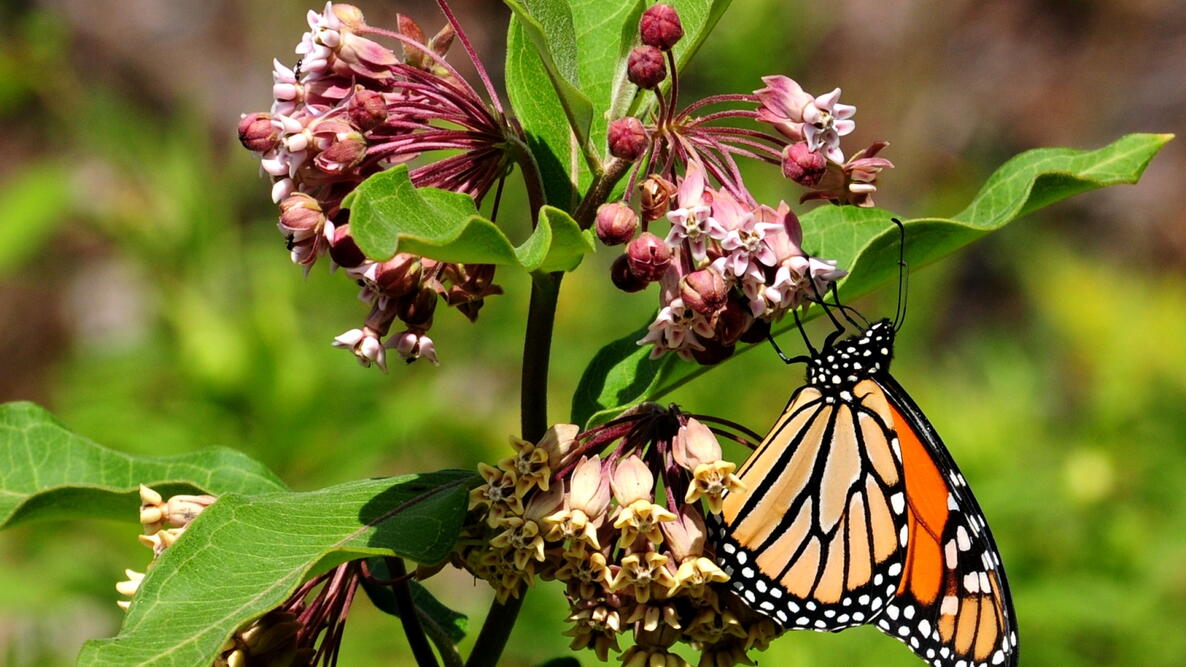
Common milkweed (Asclepias syriaca) is one of North America’s most important native plants. Best known as the host plant for monarch butterfly caterpillars, milkweed also has a fascinating history of medicinal, practical, and ecological uses. From supporting pollinators to providing materials for rope, textiles, and even World War II life jackets, this humble wildflower offers far more than meets the eye. Learn about the benefits of common milkweed, its role in the ecosystem, and how to grow it in your garden.
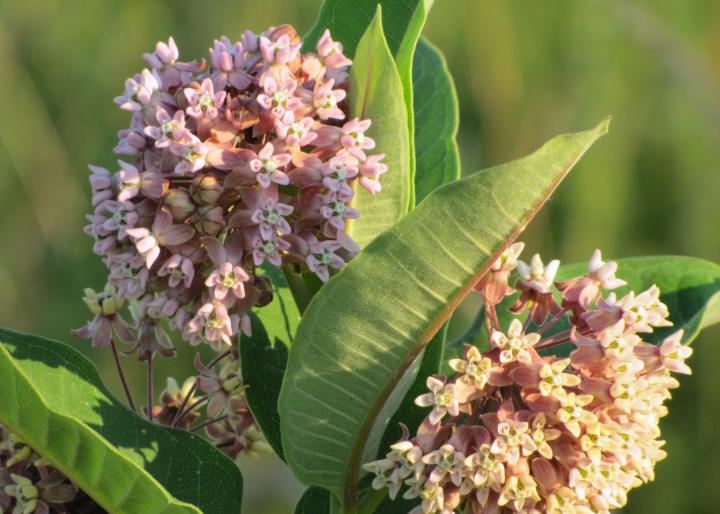
| Feature | Details |
|---|---|
| Scientific Name | Asclepias syriaca |
| Plant Type | Native perennial wildflower |
| Native Range | North America |
| Height | 3–5 feet |
| Flower Color | Pink to purple |
| Bloom Time | Summer |
| Pollinator Value | Excellent |
| Monarch Host Plant | Yes |
| Toxicity | Mildly toxic if ingested |
Historical Uses of Milkweed
Traditional Medicinal Uses
Once upon a time, milkweed was commonly used in many natural remedies:
- Native Americans taught early European settlers how to cook milkweed so that it could be safely eaten. (See note below.)
- The milky white sap was applied topically to remove warts, and the roots were chewed to cure dysentery.
- Infusions of the roots and leaves were taken to suppress coughs and used to treat typhoid fever and asthma.
Note: Today, experienced foragers may enjoy eating young milkweed sprouts, which resemble asparagus, but ONLY if they are properly identified (there are poisonous lookalikes, such as dogbane) and properly prepared (boiled). Some common milkweed plants are mild-tasting, while others are bitter. If you are new to foraging, have an expert help you identify, gather, and prepare the plant properly before eating. As with any herb, take only a small amount at first to ensure you don’t have an adverse reaction.
Find out about other helpful natural remedies.
Fiber and Textile Uses
- The stems’ tough, stringy fibers were twisted into strong twine and rope, or woven into coarse fabric.
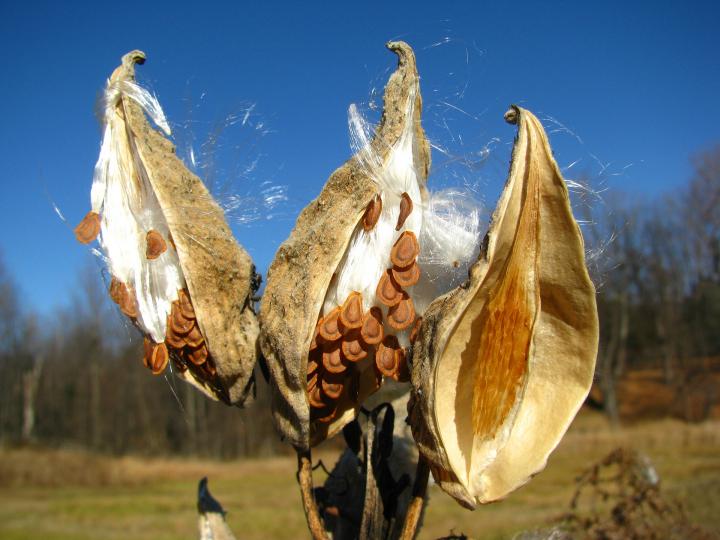
- Inside milkweed’s rough seed pods is another wonderful surprise: The fluffy white floss, attached to milkweed’s flat brown seeds, could be used to stuff pillows, mattresses, and quilts and was carried as tinder to start fires.
- Over the years, researchers have investigated growing milkweed for paper-making, textiles, lubricants, and as a substitute for fossil fuels and rubber. Although these experiments were found economically unfeasible at the time, given the rising costs of fuel and other materials, perhaps they should be revisited.
World War II Uses
During World War II, the regular material used to stuff life jackets was in short supply, so milkweed floss was called for as a substitute—it is about six times more buoyant than cork!
Is Milkweed Poisonous?
Beneath its dull, gray-green exterior, milkweed is slightly toxic.
Inside the plant is a sticky white sap that contains a mild poison; its bitter taste warns away many of the animals and insects that try to eat its tender leaves.
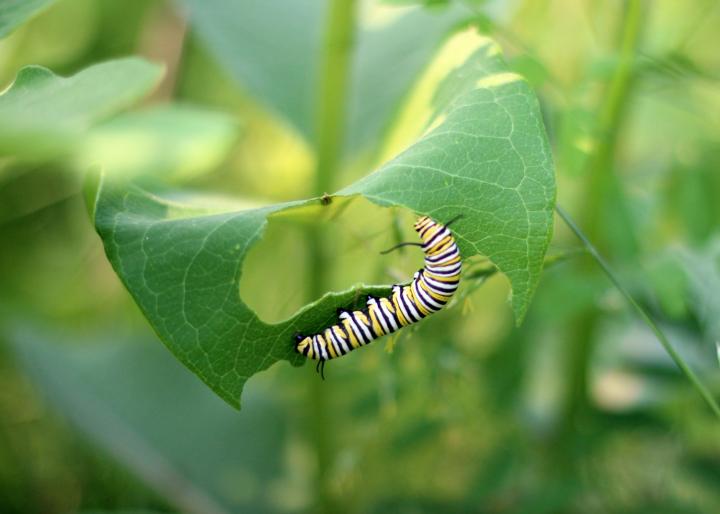
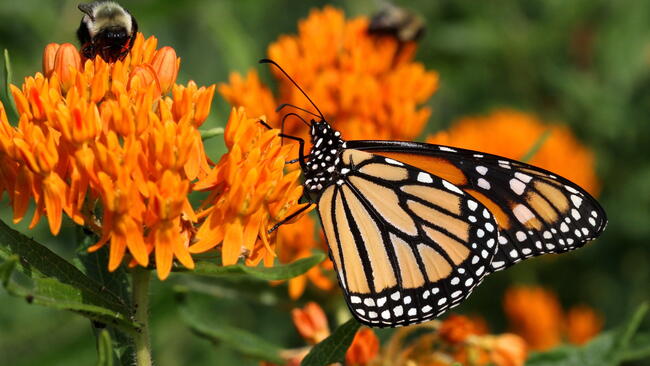
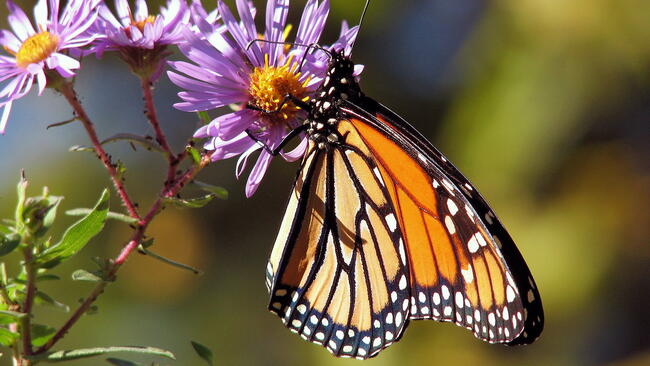
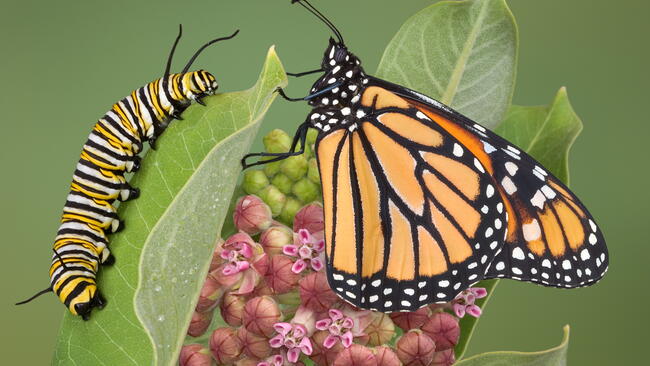
Certain insects, including monarch butterfly caterpillars, are immune to the toxin. By feeding almost exclusively on milkweed leaves, they are able to accumulate enough of the poison in their bodies to make them distasteful to predators which means that milkweed is a great plant for butterflies.
Caution: Do not get milkweed sap in your eyes (such as rubbing your eyes after touching the sap); wash your hands thoroughly after handling the plant. Also, some people may develop an allergic reaction when the sap touches the skin.
Why Monarch Butterflies Need Milkweed
The nectar in all milkweed flowers provides valuable food for butterflies, bees, and other pollinators. Butterflies don’t only need nectar but also need food at the caterpillar stage. The leaves of milkweed plants (Asclepias spp.) are the ONLY food that monarch caterpillars can eat! And monarch butterflies need milkweed to lay their eggs. With shifting land management practices and pesticide use, much of the milkweed has been lost from the landscape. This has led to a 90% decline in the number of eastern monarchs in just a single decade.
Frequently Asked Questions
What is common milkweed?
Common milkweed (Asclepias syriaca) is a native North American perennial known for its pink flowers, ecological value, and importance to monarch butterflies.
Is milkweed poisonous?
Milkweed contains compounds that can be toxic if consumed in large amounts. Its milky sap can also irritate skin and eyes in some people.
Why do monarch butterflies need milkweed?
Monarch caterpillars feed exclusively on milkweed leaves, making milkweed essential for their survival and reproduction.
Does milkweed attract pollinators?
Yes. Milkweed flowers provide nectar for butterflies, bees, hummingbirds, and many other pollinating insects.
Can I grow milkweed in my garden?
Yes. Common milkweed grows easily from seed and is an excellent addition to pollinator and native plant gardens.
When should milkweed seeds be planted?
Milkweed seeds are often sown outdoors in fall so they can experience natural winter stratification before germinating in spring.
See our full list of plants that attract butterflies.
Do you grow milkweed in your garden? We want to hear about your experiences with it!

More Like This
- « Previous
- 1
- 2
- …
- 10
- Next »

Comments