Little household problems have a way of causing major frustration—from a comforter that bunches inside its cover to a toilet tank that constantly “sweats.” Fortunately, many everyday annoyances have surprisingly simple solutions. Here are 15 quick household fixes, plus advice on when it’s safer to consult the manufacturer or call a professional.
Here’s Exactly What to Do If…
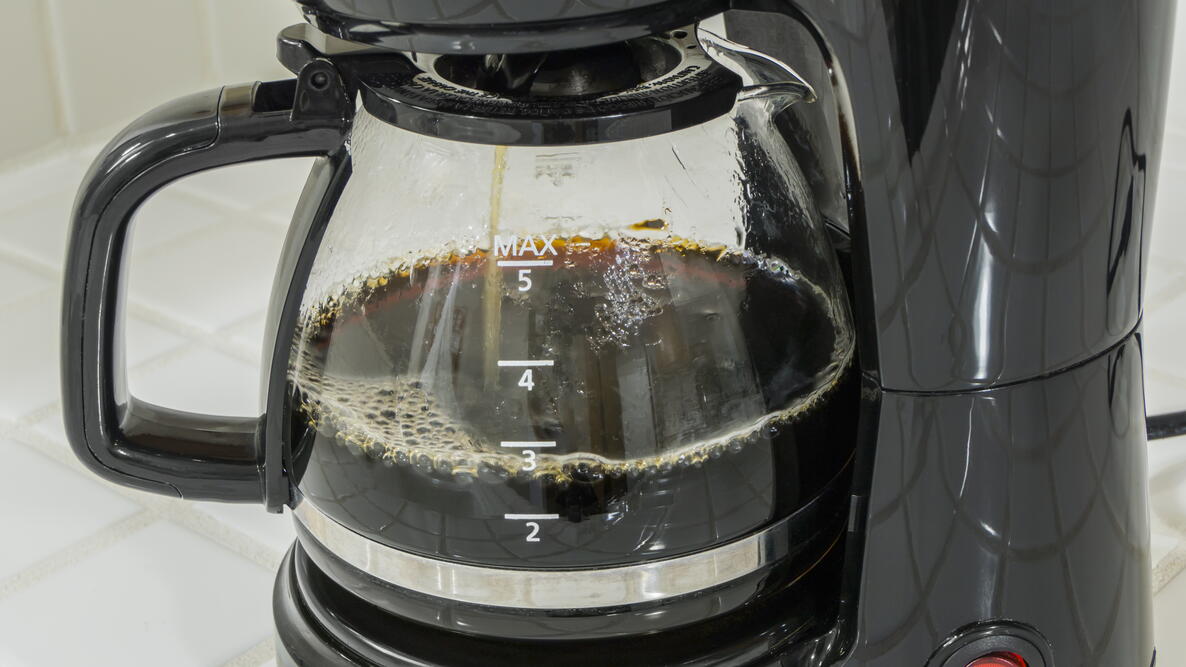
1. Your Coffee Maker Begs for a Cleaning
Mineral deposits can build up inside a coffee maker and affect its performance—and even the taste of your coffee. Check the manufacturer’s instructions before cleaning, as the recommended method varies by machine. Some coffee makers can be cleaned with diluted white vinegar, while others require a special descaling solution.
After descaling, run one or more brewing cycles with fresh water to rinse the machine thoroughly.
2. Your Comforter Won’t Stay Put Inside Its Duvet Cover
The trick is not to let it shift in the first place! To keep your comforter snug inside its cover, sew small fabric loops at strategic spots on the comforter—the corners and the center of each side, for example.
Then, sew 5-inch pieces of thin bias tape inside the duvet cover, corresponding to the loops. Place the comforter inside the cover, spread it out, and tie the strings to the loops using square knots. To launder the cover, simply untie the strings and remove the comforter.
Those unable to sew can use purpose-made duvet clips or comforter fasteners.
3. Your Scatter Rugs Have a Life of Their Own
Save your sanity—and help prevent a fall—by placing a nonslip rug pad underneath. Whether your scatter rug rests on a bare floor or atop another carpet, choose padding designed for that particular surface.
A properly sized rug pad will keep the rug in place and may also extend its life.
4. You’re Going Bonkers Putting a Pillow Back Into Its Cover
Wrap the pillow in clean plastic—a large bag works well—and slide it into the cover. Once the pillow is in place, gently pull out the plastic, leaving the pillow behind.
5. You Love Your Picture Arrangement but Need to Repaint
Keep that wonderful grouping by inserting toothpicks into the nail holes before you paint. Paint carefully around and over the toothpicks, then remove them before the paint has completely hardened. Once the wall is dry, you’ll know exactly where to rehang each picture.
6. A Child Has a Splinter and Won’t Let Your Tweezers Near It
Wash the area gently with soap and water. Clean the tips of a pair of tweezers with rubbing alcohol, then carefully pull the splinter out in the same direction that it entered.
If the splinter is deeply embedded, difficult to remove, or near the eye—or if the area shows signs of infection—contact a medical professional. A little patience and distraction may also help with a nervous child.
7. Someone Left a Glass on the Table—and It Left a White Ring
First, check the furniture manufacturer’s care instructions and test any treatment on an inconspicuous spot.
For a white moisture ring on a sealed wood surface, apply a small amount of petroleum jelly and let it sit for several hours or overnight. Wipe it away with a soft, clean cloth. Avoid rubbing aggressively, which could damage the finish. Next time, remember the coasters!
Dark or black rings may indicate that moisture has penetrated the finish and could require professional refinishing.
8. You Want a Great Picture Arrangement Without Making Extra Holes
Tape several sheets of paper together and lay them on the floor. Arrange your frames on the paper until you like the grouping, then trace around each one and mark the location of its hanging hardware.
Gently affix the paper template to the wall and place your nails or picture hooks where indicated. Remove the paper and hang the pictures.
9. Your Wicker Furniture Wobbles
First, tighten any loose screws and inspect the furniture for broken strands or joints. Traditional, unfinished natural wicker may sometimes tighten slightly when exposed to a small amount of moisture, but soaking it can encourage mold, weaken glue, and damage the finish.
Do not mist synthetic wicker or painted, glued, antique, or valuable furniture. If you’re unsure what type of wicker you have, consult a furniture repair specialist.
10. Your Toilet Sweats Like a Marathoner
Toilet tanks “sweat” on warm, humid days because flushing fills them with cold water, causing condensation on the outside. Picture a tall glass of cold lemonade in the sunshine, and you’ll get the idea.
A toilet may also sweat if it is “running” all the time. Put a few drops of food coloring in the tank and wait without flushing. If the color appears in the bowl, the toilet probably has a leak. The flapper valve may need to be cleaned, adjusted, or replaced.
If there is no leak, reduce bathroom humidity by running an exhaust fan or using a dehumidifier. A tank liner or anti-sweat valve may also help, but follow the manufacturer’s directions or consult a plumber.
11. Your Garbage Disposal Smells Like a Swamp
Food particles often collect beneath the rubber splash guard and along the walls of the disposal. Turn off the power to the unit, lift the splash guard, and scrub its underside with an old toothbrush or cleaning brush. Never put your hand inside the disposal.
After restoring power, run cold water and operate the disposal to flush away loosened debris. If your manufacturer permits it, grinding a few small ice cubes may help dislodge residue. A small piece of lemon or orange peel can add a pleasant fragrance, but too much peel may contribute to a clog.
12. Your Dresser or Cabinet Knob Won’t Stay Put
Remove the knob and clean the screw and hole. If the knob attaches with a screw from the back, tighten it with the appropriate screwdriver. A removable thread-locking product can help keep frequently loosened metal screws in place.
If a wooden knob screws directly into a worn wooden hole, a small wood sliver and a dab of wood glue may help fill the excess space. Allow the glue to dry before reattaching the knob.
13. Your Steam Radiators Are Waking You Up at Night
If the price you pay for warmth is the loss of sleep during the wee hours, you no doubt agree with the old radiator refrain: “A hiss is pure bliss, but them clangs are gosh dang!”
What’s causing all the ruckus? Banging often occurs when condensed water becomes trapped instead of draining back toward the boiler. When the radiator is completely cool, check that it tilts slightly toward the supply pipe. Furniture shims placed securely beneath the opposite legs may help create the proper angle.
Make sure the supply valve is either fully open or fully closed—not halfway—and never adjust a hot radiator. If the banging continues, call a qualified heating professional.
14. Last Week’s Marinara Sauce Won’t Leave Your Plastic Container
Rub the stained area with a damp cloth dipped in baking soda, then wash and rinse the container thoroughly. You can also fill the container with warm water, add a little dish soap and baking soda, and let it soak.
Placing the clean container in direct sunlight for a few hours may help fade a stubborn tomato stain. Check that the container is dishwasher-safe before exposing it to high heat.
15. Your Clothes Smell Musty Even After You’ve Washed Them
Remove clothes from the washer promptly and leave the door or lid open between loads so that the machine can air out. Regularly wipe the door, detergent dispenser, and rubber seal, checking the folds for lint, hair, and trapped moisture.
Run the washer’s cleaning cycle as directed in its owner’s manual, using only a cleaner approved by the manufacturer. Cleaning methods vary, and frequent use of vinegar or other homemade solutions may damage certain seals or components. Never mix vinegar with chlorine bleach.
If the smell persists, clean the washer’s filter—if it has an accessible one—and check the drain hose for problems.
Do you have a minor household problem that drives you bonkers? Tell us about it in the comments!
→ See how to keep drains from clogging.
→ Discover more household uses for vinegar.







Comments