Everybody falls down. We slip on ice, trip over unexpected obstacles, fail to negotiate a step up or down, lose our balance. But there are ways to reduce our risk of falling—and make our homes and everyday activities safer.
We fall inside and outside. We fall doing household tasks, while shopping, chasing a hat blown off by the wind, during vacations, and just strolling along.
Falls can happen at any age, but their consequences can be especially serious for older adults. According to the Centers for Disease Control and Prevention, about one in four Americans age 65 or older reports falling each year. Falls are the leading cause of injury in this age group.
A little attention to what’s underfoot, along with changes to lighting, footwear, and daily habits, can help us stay steadier.
Why Do We Fall?
The reasons for falling are extremely varied and depend on the situation. Sometimes, an icy step or an unexpected obstacle is enough. Often, several risk factors work together.
Common contributors include:
- Poor lighting.
- Slippery or uneven surfaces.
- Uncorrected vision problems.
- Poorly fitting or slippery-bottomed footwear.
- Unsecured area rugs.
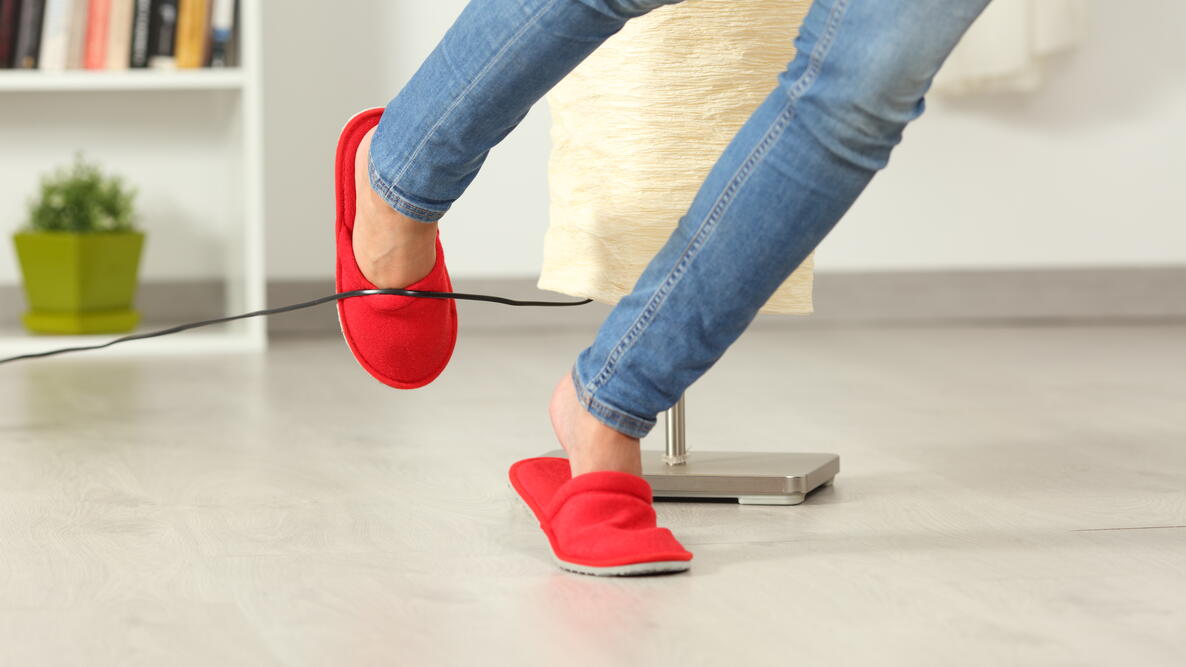
- Extension cords, clutter, and protruding obstacles.
- Medications that cause dizziness, sleepiness, or balance problems.
- Muscle weakness.
- Difficulty walking or maintaining balance.
Many of these risk factors can be changed. Identifying them is the first step toward preventing another fall.
How to Prevent Falls at Home
Even a cursory glance at the list shows that minor changes inside the home and around the grounds could prevent many falls.
Clear the Way
Keep children’s and pets’ toys off the floor, especially the small ones that are hard to see. Move electrical cords away from walking paths, and keep stairs free of shoes, books, and other belongings.
Remove loose throw rugs, particularly along frequently traveled routes. Make sure carpeting is firmly secured and does not curl up at the edges.
Keep frequently used kitchen and household items within easy reach. Don’t stand on a chair to retrieve something overhead; ask for help instead.
Improve Lighting and Add Support
Improve the lighting in areas where people could slip and fall, especially stairways, entrances, and hallways. Put a night-light along the route from the bedroom to the bathroom.
Use handrails when going up or down stairs. Secure railings on both sides provide support, but don’t let whatever you’re carrying block your view of the steps.
Install properly mounted grab bars beside the toilet and in the tub or shower. Add nonslip surfaces where floors may get wet, and clean up spills promptly.
Choose Footwear That Stays Put
Wear supportive, well-fitting shoes or slippers with a good grip. Avoid footwear that slips off your heels or has smooth, slippery soles.
Indoors, don’t assume that walking in ordinary socks is safer than wearing shoes. Choose footwear that supports your feet and helps you stay steady.
Preventing Falls Outdoors and in Winter
Keep outdoor walks clear of debris, and repair broken or uneven steps. Turn on the porch light before heading out after dark.
During winter, keep outdoor walks treated for ice. An ice-melt product or sand can help make slippery areas safer. If conditions are hazardous, consider postponing an outing or asking someone to help.
Keep a hand available for the railing rather than trying to carry everything in one trip.
Give walking your attention, too. Stop in a safe place before reading a message or answering an email. That windblown hat can wait.
Build Strength and Balance
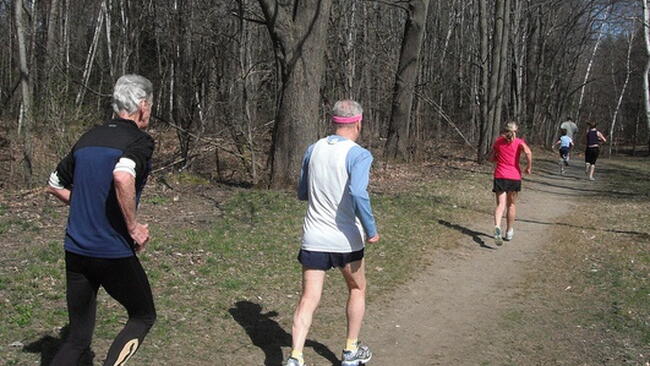
Regular activity that strengthens your legs and challenges your balance can help reduce fall risk. Tai chi is one example recommended by the CDC.
Choose activities suited to your abilities. If you feel unsteady, have fallen, or are unsure where to begin, ask a healthcare professional or physical therapist about an appropriate exercise program.
Balance practice should not become a falling hazard itself. You don’t need to test how long you can stand unsupported on one leg to get started.
Check Your Vision and Review Medications
Some causes of falls aren’t underfoot.
Have your eyes checked regularly and keep your glasses prescription current. Ask your doctor or pharmacist to review your medications, including over-the-counter products, for side effects that could make you dizzy or sleepy. Don’t stop or change a medication on your own.
Tell your healthcare provider about falls, even if you weren’t hurt. A fall may point to a problem with balance, eyesight, or medication that can be addressed.
What to Do After a Fall
Anyone can have difficulty getting up after a fall. First, take a few slow breaths and assess how you feel. Getting up too quickly—or moving with an injury—could make things worse.
If you may have injured your head, neck, back, or hip, or cannot get up, call 911 or your local emergency number. Don’t force yourself to stand.
Getting Up If You Are Uninjured
If you believe you are uninjured and can get up safely without help, the National Institute on Aging describes this approach:
- Slowly roll onto your side and rest.
- Move onto your hands and knees, then crawl to a sturdy chair.
- Put your hands on the chair seat. Bring one foot forward so it rests flat on the floor, keeping the other knee on the floor.
- Slowly rise with the chair’s support, turn, and sit down.
Take your time between steps. If you cannot manage these movements safely, stop and call for help.
Have a Way to Call for Help
Consider carrying a charged cellphone or using a medical alert device, especially if you live alone. Keep it where you can reach it—not across the room.
If you cannot get up, use your phone or alert device, shout, or bang on a wall or floor to attract attention. Keep warm with a coat or blanket within reach while waiting for help. If someone else has fallen, don’t attempt to lift them yourself.
We can’t anticipate every slippery patch or misplaced toy. But a clear walkway, a sturdy handrail, and a few changes to everyday habits are good places to begin.







Comments