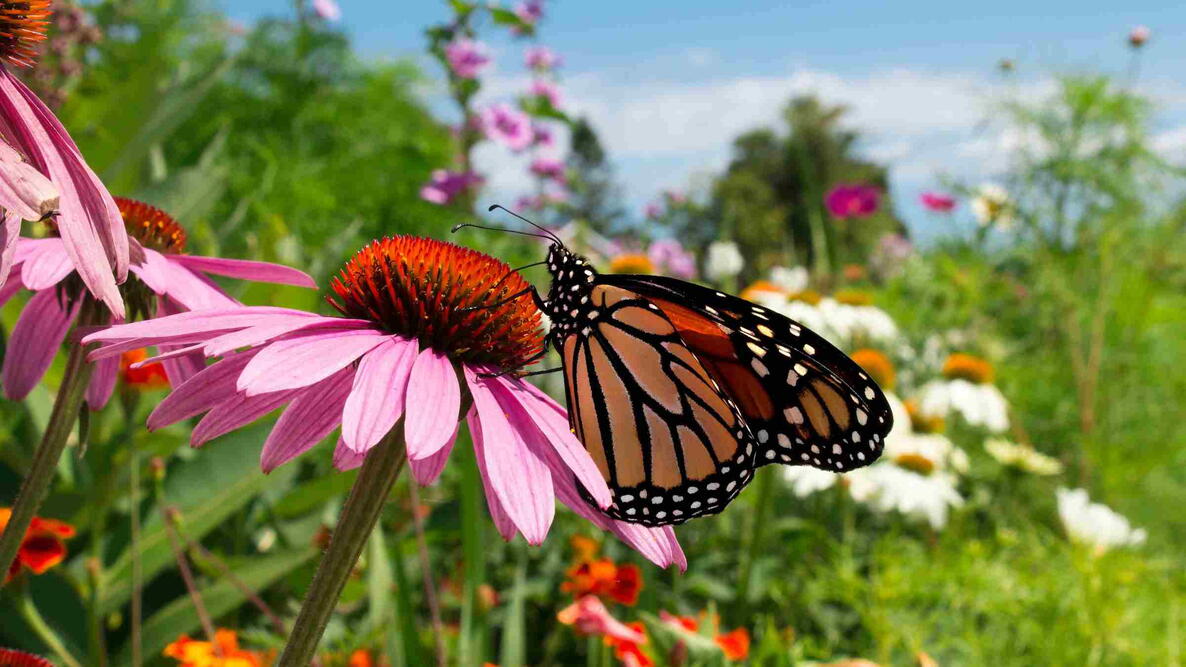
No matter where you live or your growing zone, there are plenty of buzzworthy blooms that attract pollinators and make your garden irresistible! From chilly Zone 3 to steamy Zone 10, discover the best annuals and perennial plants for bees, butterflies, and hummingbirds, along with tips to turn your yard into a pollinator-friendly paradise.

Why Pollinators Matter in Your Garden
Growing plants that attract pollinators is one of the best ways to support hummingbirds, bees, butterflies, and other beneficial insects; however, choosing plants that are perfectly adapted to your climate will also make your garden easier to maintain, and reduce the need for winterizing, watering, and other fuss.
Unfortunately, many pollinator species around the globe are declining rapidly due to climate change, habitat loss, and overuse of pesticides. But by planting a few pollinator-friendly plants, you can create a safe habitat and support bees, butterflies, and other essential pollinators in making a comeback.
While larger pollinator gardens attract a wider variety of beneficial insects, even a few carefully selected plants in a window box or porch planter can make a difference. Urban gardeners, in particular, can create mini wildlife habitats in even the smallest spaces.

Choosing Native Pollinator Plants for Your Region
When selecting plants for your pollinator garden, it’s not just about growing zone—native species are key. Native flowers, shrubs, and trees have evolved alongside local pollinators, providing the nectar, pollen, and habitat they need to thrive.
- Check your region/ecoregion: Resources such as local extension offices or native plant societies can help you identify which plants naturally grow in your area.
- Combine native and zone-appropriate perennials/annuals: Even if a plant isn’t strictly native, make sure it thrives in your USDA zone and provides pollinator benefits. Find your USDA Plant Hardiness Zone here.
- Support a diversity of pollinators: Include plants with varying bloom times, colors, and flower shapes to attract bees, butterflies, and hummingbirds throughout the season.
By focusing on native, zone-appropriate plants, your garden becomes a resilient, low-maintenance habitat that truly supports local wildlife.
Best Pollinator Plants by Gardening Zone
In the following lists, you’ll find a selection of annual and perennial plants that were hand-selected for their pollinator appeal and organized according to their main growing zone. However, some of these plants can grow in warmer or cooler climates if you don’t mind watering and mulching them a bit more!
Zone 3 to 4: Cold-Hardy Pollinator Plants
Many North American native plants are incredibly cold-hardy and can grow in areas as cold as Zone 3. This hardy nature means these plants often do not require much winterizing. But if you grow these plants from seed, they’ll usually germinate better if you cold stratify the seeds first.
Common Name: | Scientific Name: | Exposure: | Bloom Time/Season: | Type: | Pollinators: | Native (Yes/No): |
|---|---|---|---|---|---|---|
Milkweed | Asclepias spp. | Full sun to partial sun | Spring to summer | Perennial | Butterflies, bees, and other pollinators | Yes |
Yarrow | Achillea millefolium | Full sun to partial sun | Summer to fall | Perennial | Butterflies, bees, and other pollinators | Yes |
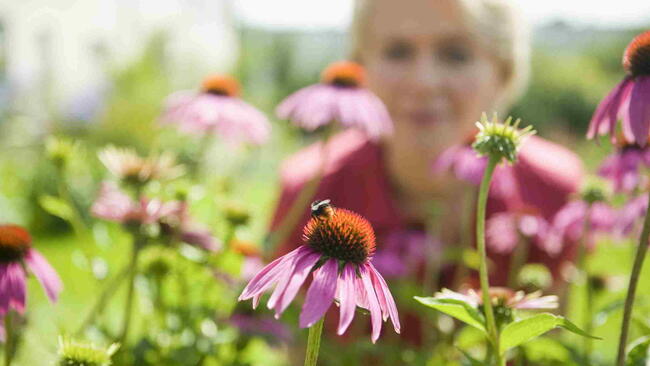
Coneflower | Echinacea spp. | Full sun to partial sun | Summer to fall | Perennial | Butterflies, bees, hummingbirds, and other pollinators | Yes |
Asters | Aster spp. | Full sun to partial sun | Summer to fall | Perennial | Butterflies, bees, and other pollinators | Yes |
Goldenrod | Solidago spp. | Full sun to partial sun | Summer to fall | Perennial | Butterflies, bees, and other pollinators | Yes |
Cosmos | Cosmos bipinnatus | Full sun | Spring to fall | Annual | Butterflies, bees, and other pollinators | Yes |
Mints | Mentha spp. | Full sun to partial sun | Spring to fall | Perennial | Butterflies, bees, and other pollinators | Yes |
Blanket Flower | Gaillardia spp. | Full sun to partial sun | Summer to fall | Perennial | Butterflies, bees, hummingbirds, and other pollinators | Yes |
Bee Balm | Monarda spp. | Full sun to partial sun | Summer to fall | Perennial | Butterflies, bees, hummingbirds, and other pollinators | Yes |
Phlox | Phlox spp. | Full sun to partial sun | Spring to fall | Perennial | Butterflies, bees, hummingbirds, and other pollinators | Yes |

Zone 5 to 6: Mid-Temperature Pollinator Plants
Plants that grow best in Zones 5 and 6 may not have the sheer toughness of some native plants, but they’re still plenty cold-hardy. To get the most benefits out of pollinator gardening, choose plants that bloom at different times of the year and that produce different flower shapes and colors. This will help attract the widest range of pollinators and make sure they find something good to eat, no matter when they visit!
Common Name: | Scientific Name: | Exposure: | Bloom Time/Season: | Type: | Pollinators: | Native (Yes/No): |
Agastache foeniculum | Full sun to partial sun | Spring to fall | Perennial | Butterflies, bees, hummingbirds, and other pollinators | Yes | |
Creeping Thyme | Thymus serpyllum | Full sun | Spring to summer | Perennial | Butterflies, bees, and other pollinators | No |
Great Blue Lobelia | Lobelia siphilitica | Full sun to partial sun | Summer to fall | Perennial | Butterflies, bees, hummingbirds, and other pollinators | Yes |
Alliums | Allium spp. | Full sun | Spring to summer | Perennial | Butterflies, bees, and other pollinators | No |
Lavender | Lavandula spp. | Full sun | Summer | Perennial | Butterflies, bees, hummingbirds, and other pollinators | No |
Buttonbush | Cephalanthus occidentalis | Full sun to partial sun | Spring to fall | Perennial | Butterflies, bees, hummingbirds, and other pollinators | Yes |
Foxglove | Digitalis spp. | Full sun to shade | Spring to summer | Biennial or perennial | Moths, bees, hummingbirds, and other pollinators | No |
Evening Primrose | Oenothera biennis | Full sun to partial sun | Summer to fall | Biennial | Moths, bees, hummingbirds, and other pollinators | Yes |
Joe Pye Weed | Eutrochium purpureum | Full sun to partial sun | Summer to fall | Perennial | Butterflies, bees, and other pollinators | Yes |
Fennel | Foeniculum vulgare | Full sun | Summer to fall | Annual or Perennial | Butterflies, bees, and other pollinators | No |

Zone 7 to 8: Warm-Climate Pollinator Plants
Some of the following plants can be grown as either annuals or perennials in cold climates, but they grow perennially in warmer locations. Just keep in mind that you may need to replace some of these plants each spring if you grow them in areas that aren’t winter-hardy.
Common Name: | Scientific Name: | Exposure: | Bloom Time/Season: | Type: | Pollinators: | Native (Yes/No): |
Fuchsia | Fuchsia spp. | Full sun to partial sun | Summer to fall | Perennial | Butterflies, bees, hummingbirds, and other pollinators | No |
Red Hot Pokers | Kniphofia spp. | Full sun | Spring to fall | Perennial | Butterflies, bees, hummingbirds, and other pollinators | No |
Wallflower | Cheiranthus spp. | Full sun to partial sun | Spring to summer | Biennial or perennial | Butterflies, bees, and other pollinators | Some |
California Poppy | Eschscholzia californica | Full sun | Winter to summer | Annual or perennial | Butterflies, bees, and other pollinators | Yes |
Dutchman’s Pipe | Aristolochia spp. | Full sun to partial sun | Spring to summer | Perennial | Swallowtail butterflies, flies, and other pollinators | Yes |
Rose Mallow | Hibiscus moscheutos | Full sun | Summer to fall | Perennial | Butterflies, bees, hummingbirds, and other pollinators | Yes |
Narrow-Leaf Sunflower | Helianthus angustifolius | Full sun | Summer to fall | Perennial | Butterflies, bees, and other pollinators | Yes |
Coral Honeysuckle | Lonicera sempervirens | Full sun to partial sun | Spring to summer | Perennial | Butterflies, hummingbirds, and other pollinators | Yes |
New Jersey Tea | Ceanothus americanus | Full sun to partial sun | Spring to summer | Perennial | Butterflies, bees, hummingbirds, and other pollinators | Yes |
Passionflower | Passiflora spp. | Full sun to partial sun | Summer to fall | Perennial | Butterflies, bees, hummingbirds, and other pollinators | Some |

Zone 9 to 10: Hot-Climate Pollinator Plants
Some plants are true annuals and only live for a year, while others can be grown as annuals or perennials, depending on how cold your winters get. Many of the following plants are perfect for container gardens in any location, but they can also be used as bedding plants or interplanted in veggie gardens as companion plants to entice pollinators to visit and increase the yields of squash, pumpkins, and other crops.
Common Name: | Scientific Name: | Exposure: | Bloom Time/Season: | Type: | Pollinators: | Native (Yes/No): |
Million Bells | Calibrachoa spp. | Full sun to partial sun | Spring to fall | Annual or perennial | Butterflies, bees, hummingbirds, and other pollinators | No |
Calendula | Calendula officinalis | Full sun to partial sun | Summer to fall | Annual or perennial | Butterflies, bees, and other pollinators | No |
Lantana | Lantana camara | Full sun | Spring to fall | Annual or perennial | Butterflies, bees, hummingbirds, and other pollinators | Some |
Sweet Alyssum | Lobularia maritima | Full sun to partial sun | Spring to fall | Annual or perennial | Butterflies, bees, hummingbirds, and other pollinators | No |
Zinnia | Zinnia elegans | Full sun | Summer to fall | Annual | Butterflies, bees, hummingbirds, and other pollinators | Yes |
Abelia | Abelia spp. | Full sun to partial sun | Spring to fall | Perennial | Butterflies, bees, and other pollinators | Yes |
Desert Willow | Chilopsis linearis | Full sun | Spring to fall | Perennial | Butterflies, bees, hummingbirds, and other pollinators | Yes |
Salvias | Salvia spp. | Full sun to partial sun | Summer to fall | Annual or perennial | Butterflies, bees, hummingbirds, and other pollinators | Some |
Pentas | Pentas spp. | Full sun to partial sun | Spring to fall | Annual or Perennial | Butterflies, bees, hummingbirds, and other pollinators | No |
Globe Amaranth | Gomphrena globosa | Full sun to partial sun | Summer to fall | Annual or perennial | Butterflies, bees, and other pollinators | Some |
Planting and Caring for Pollinator Gardens
Soil and Sun Requirements
Most pollinator plants thrive in well-draining soil with full sun, though some native perennials tolerate partial shade. Amend soil with compost for best growth.
Watering and Maintenance
Water new plantings regularly until established. Established perennials generally need less water. Mulch around plants to retain moisture and suppress weeds.
Bloom Timing for Continuous Support
Plant species with staggered bloom times to provide nectar from early spring through fall. This ensures pollinators always have a food source.
Attracting Specific Pollinators
Different pollinators prefer different flowers: hummingbirds love tubular red blooms, butterflies prefer flat clusters like milkweed, and bees are attracted to purple, yellow, and blue flowers.
No matter your growing zone, planting pollinator-friendly blooms can transform any garden into a buzzing haven. From cold-hardy perennials in Zone 3 to vibrant annuals in Zone 10, even a few well-chosen plants provide food and habitat for bees, butterflies, and hummingbirds. Ready to create a pollinator garden or patch? See how to get started!
More Like This

Comments