Leaf mold is decomposed leaves that make a dark, crumbly soil amendment and mulch. It’s easy to make: collect fallen leaves, keep them moist, and give them time to break down. Here are simple ways to make leaf mold and use it in your garden.
What Is Leaf Mold?
You know how leaves naturally decompose on the forest floor? That’s leaf mold. Fallen leaves gradually break down into a dark, crumbly material that can improve garden soil, help it hold moisture, or become one ingredient in a potting mix.
Leaf mold is different from hot compost. It forms slowly, with fungi doing much of the work, so there’s no need to carefully balance kitchen scraps and yard waste or regularly turn a hot pile. It takes patience, but very little effort.
Which Leaves Make Good Leaf Mold?
Leaves from deciduous trees and shrubs—the ones that drop their leaves in fall—are a good place to start. Shredding them helps them break down faster. Thicker leaves may take longer, so keep them moist and give them extra time.
Black walnut leaves can be composted. If you’re concerned about juglone, compost them separately for at least six months before using them.
Avoid collecting leaves beside busy roads, where they may pick up dirt and debris.
Benefits of Leaf Mold
Leaf mold adds organic matter to soil and can improve its structure and ability to hold moisture. It helps sandy soil retain water and can make heavy clay soil easier to work. Use it as a soil amendment or mulch; it is not a complete fertilizer.
How to Collect Leaves
Rake or blow leaves into piles, then scoop them up by hand or with a tarp. For a quicker way to collect them, mow over the leaves with a lawn mower. Shredded leaves decompose faster than whole ones. If you use the mower’s collection bag, empty it often—the bag can get heavy, especially when the leaves are damp.
How to Make Leaf Mold: 3 Easy Ways
- Make a leaf pile. Rake leaves into an out-of-the-way spot and let them sit. Wet the pile if it dries out. Shredded leaves and steady moisture help them break down. Leaf mold may take a year or two to form, sometimes longer, depending on the leaves and conditions.
- Use a wire or wooden enclosure. A bin helps contain the leaves while allowing air to circulate. Fill it with leaves, wet them thoroughly, and check the moisture from time to time. Aim for the feel of a well-wrung sponge. If the leaves dry out, add water; if they become matted, loosen them with a garden fork.
- Use a plastic bag for a small batch. Pack leaves into a sturdy bag, moisten them, and tie it loosely. Poke several holes in the bag, then leave it somewhere out of the way. Check occasionally to make sure the leaves haven’t dried out.

How to Use Leaf Mold
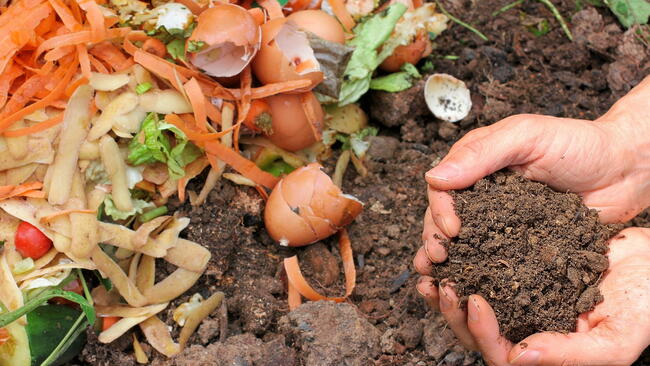
- Improve garden soil. Finished leaf mold is dark and crumbly. Spread it over the soil and lightly fork it in, or leave it on the surface for soil organisms to incorporate. It can help improve both sandy and clay soils.
- Mulch garden beds. Partially broken-down leaf mold can be spread around trees, shrubs, and perennial plants. Apply a layer about 1 to 2 inches thick, keeping it a few inches away from stems and trunks.
- Add it to a potting mix. Sift finished leaf mold to remove large pieces and use it as one component of a potting mix. Avoid using it by itself as a substitute for a complete potting mix.
Did you enjoy this advice? If you would like to try growing your own food, why not take a look at our online Garden Planner!

More Like This