Primary Image
Caption
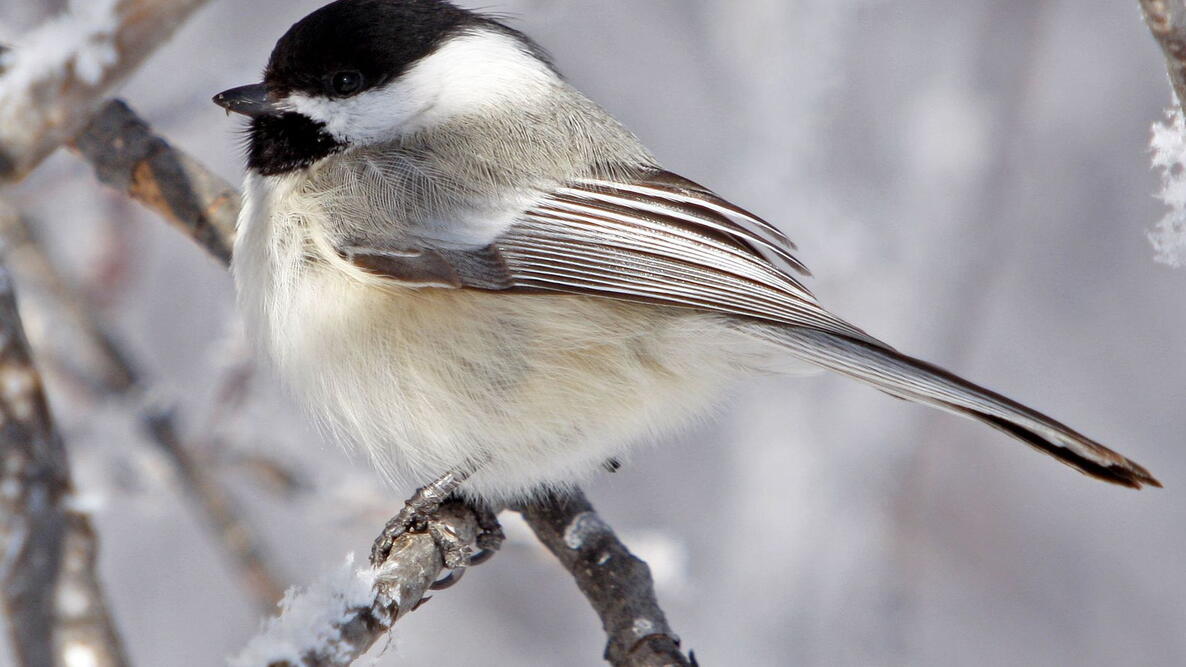
The bold little chickadee is a welcome sight at any feeder.
Image Credit:
Photo by USFWS Mountain-Prairie via Wikimedia Commons

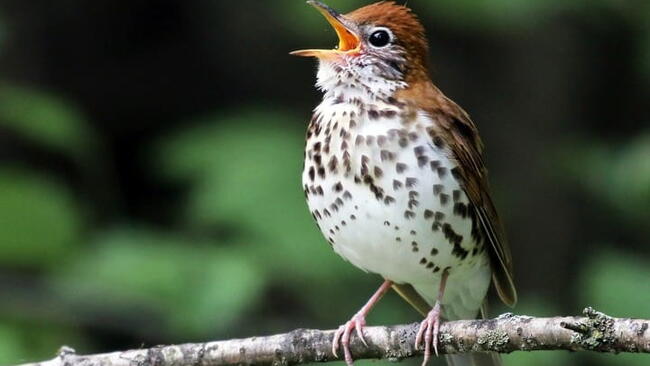
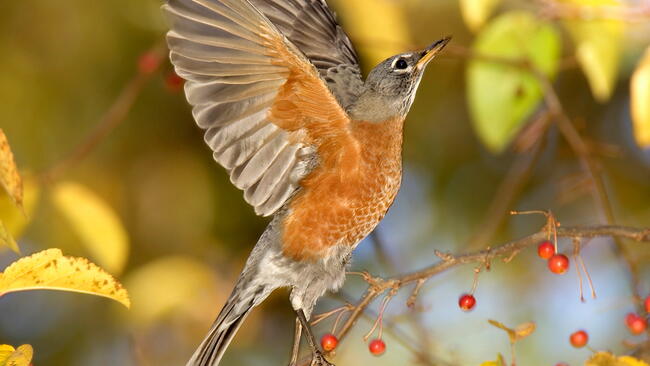
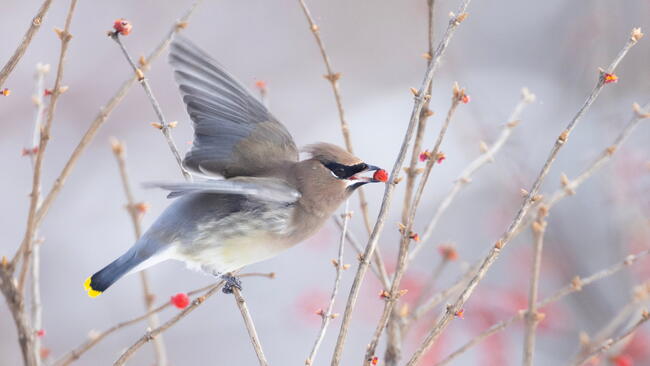
First time this year to see and hear comes often to my feeder. I live in Sugar Land Texas. The house finch also new this year but the Starlings are gone.
I live in the Western North Carolina Mountains.....and recently set up a new feeder.... with Black Oil Sunflower Seed. The very first bird to come was the Black Capped Chickadee... after only one day. A few days later... came the Junco... and then the Tufted Titmouse. I love the birds.......watching and listening to them is just so rewarding.......
Well, after all those comments from USA and Canada, I am writing from Western Australia, a city of Gosnells. I am sure the 'strange' bird in my garden is this delightful bird and its song is quite shrill and short. Thank you for helping me find out what it is.
I live in Merrimack,N.H. and recently realized the Black-capped Chickadee is responsible for singing that beautiful song. I have two bird houses, this year one has House Wrens and the other has the Black capped Chickadee.
I hear these birds in Colorado. We caught them on audio when filming. Their mournful song fit so well with the theme of the short film that we kept it in at the end.
I live in eastern Nebraska and I have seen these birds a lot, and I heard this sound and wondered for a such a long time what bird made this sound. I never connected the two. I am so glad to know this information.
I live in Minnesota and have been hearing this beautiful call, not sure of its owner! Now I know. So enjoying our spring friends flying about, singing. Best music!
Hi, I have black capped chickadees in my neighborhood but have been hearing them at 2 and 3 in the morning...as I have had them before when I lived much further north I was rather alarmed to hear their calls at such an odd time...is this natural for bccs to sing at that time of day?

Hi Cathy,
There's nothing to be alarmed about. Chickadees, as well as many other birds, are very active at this time of year searching for mates, marking territory, and making nests. Male songbirds are most active in the early morning hours before dawn because they are either singing to impress females, or are telling other nearby birds to stay away from their nesting area. It's completely natural.
I always knew where the chick-a-dee-dee-dee sound came from, but couldn't figure out which bird sang the two-note mournful song...I'm so happy to finally know. It is my favorite bird song and we have plenty of chickadees here in central Maine.
- « Previous
- 1
- 2
- …
- 10
- Next »
📣The Gardening Club Just Got Better! 3 Deliveries, 10% Store Discount, and more!

Comments