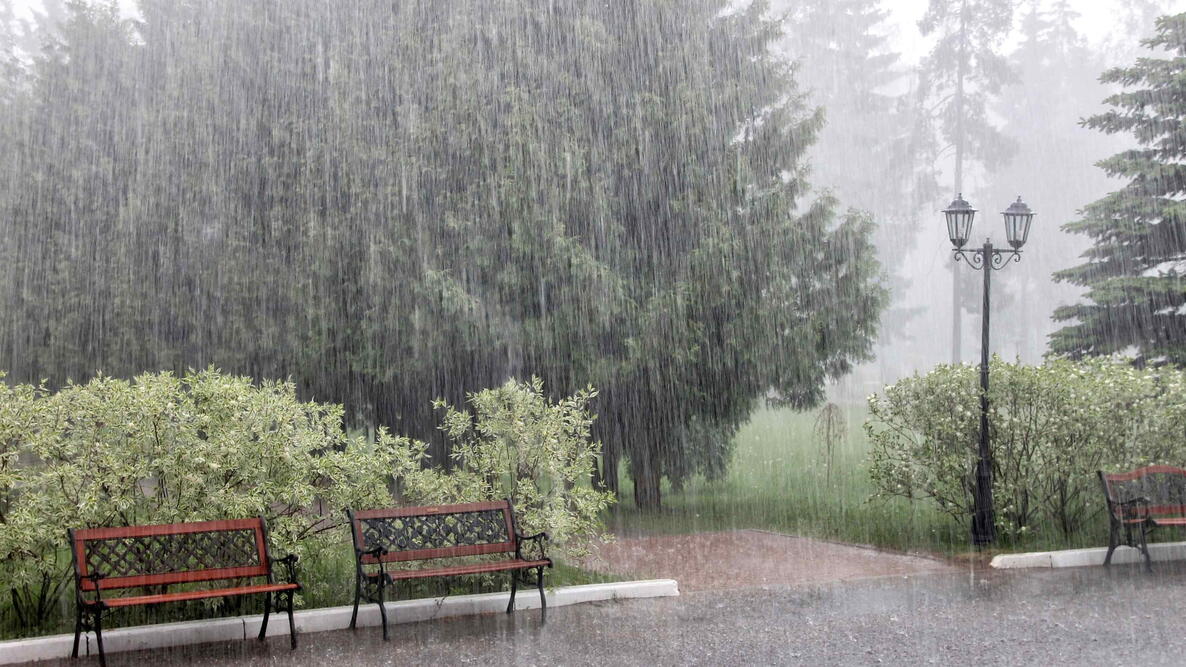
Many people notice a distinct smell before, during, or after rain. The scent comes from a combination of ozone in the air with plant oils and a compound called geosmin that is released from the soil. Here’s why your nose can detect an approaching storm.
Can People Really Smell a Storm Coming?
Have you ever wondered why we can smell the rain coming? My grandfather could even track squirrels with his sense of smell. What he was best known for, however, was his incredible nose for weather.
He could tell a storm was approaching before anyone else in the county. One of my father’s earliest memories was running to warn neighbors that bad storms were coming so that they could get things covered.

Many of us have probably smelled that lovely fresh, earthy aroma of an approaching rainstorm. He could smell it coming and even warn people about the strength and likelihood of tornadoes. (He got tremendously excited once when he smelled a hurricane coming.)
He was an educated man (and became superintendent of the Vanderbilt, Texas, school system) but the most educated part of him was his nose. In an era when radio coverage was spotty, especially in the country, the neighborhood practically thought of him as a medicine man.
Now scientists have discovered why people can smell the storms so far away. A sensitive snout is often smelling ozone and geosmin; in other words, the nose smells a form of oxygen associated with storms, plus a compound in soil that raindrops kick up and might even get stirred up in wind before rain reaches you. The scent associated with rain is called petrichor.
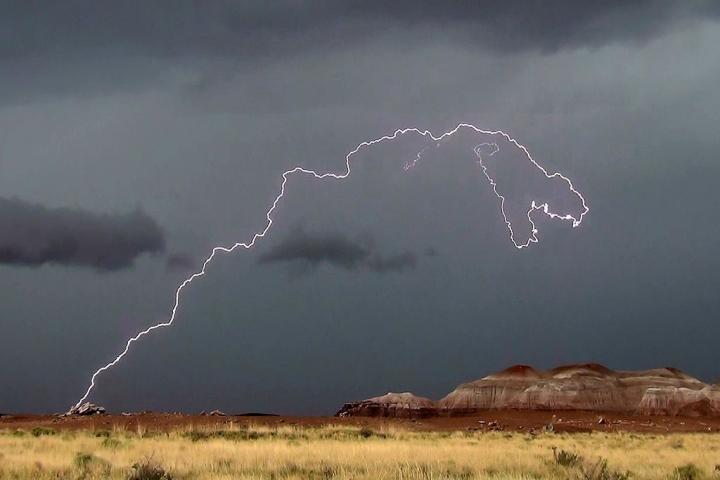
Why Does Lightning Produce an Ozone Smell?
First comes the ozone, the oxygen fried by lightning that changes from O2 to O3. This has a sweet, pungent zing and winds carry it down from the upper atmosphere to your waiting nose. If you smell a lot of that—look out!
Ozone (O₃): A gas made up of three oxygen atoms. During thunderstorms, lightning can create small amounts of ozone, and winds may carry it ahead of an approaching storm. Some people notice its sharp, fresh, slightly metallic scent before the rain begins.
What Is Petrichor?
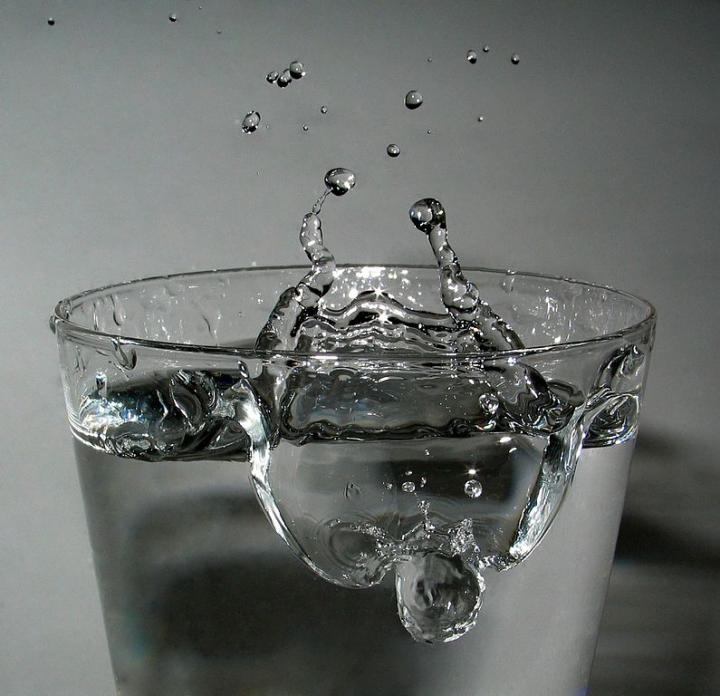
Then comes the raindrops. Scientists discovered that water drops hitting surfaces like soil or leaves knock particles up in the air. A raindrop hitting an uneven surface traps bubbles of air that shoot upward and burst from the top of the water droplet like fizz in a champagne glass. These bubbles can float long distances before they pop and you can smell the pollens, dirt, oils or city scum.
Petrichor: The pleasant, earthy scent released when rain falls on dry soil, rocks, and other surfaces. The smell comes from natural plant oils that build up during dry weather and tiny geosmin particles released into the air from the ground.
What Is Geosmin?
Finally, the wet soil triggers bacteria or blue-green algae to release geosmin, which contributes to a great earthy smell often noticed by gardeners.
Geosmin: A naturally occurring compound produced by soil-dwelling bacteria, especially streptomyces. Geosmin plays a key role in creating the rich, earthy aroma many people notice after a rainstorm and is one of the reasons freshly watered gardens smell so distinctive.
My grandfather may not have known the names petrichor, geosmin, or ozone, but he understood what his nose was telling him. Today, science confirms that the distinctive smells before, during, and after rain come from real chemical compounds carried through the air—making the familiar scent of an approaching storm both a sensory experience and a fascinating glimpse into how weather works.
FAQs
Why does rain smell good?
Rain releases natural compounds into the air, creating the fresh, earthy scent many people enjoy.
What is petrichor?
Petrichor is the pleasant smell produced when rain falls on dry soil and rocks, releasing plant oils and tiny airborne particles.
Can humans smell a storm coming?
Some people notice changes in the air before storms because of ozone carried by storm winds, along with increased humidity and changing atmospheric conditions.
Why does dirt smell after rain?
Rain causes the release of geosmin, a compound made by soil bacteria, along with other compounds responsible for the distinctive earthy smell after rainfall.


- « Previous
- 1
- 2
- …
- 10
- Next »

Comments