As we attack dust with a vengeance (or a mild swipe now and then), it’s tempting to wonder: Where does all that dust come from? The Old Farmer’s Almanac helps to answer that question!
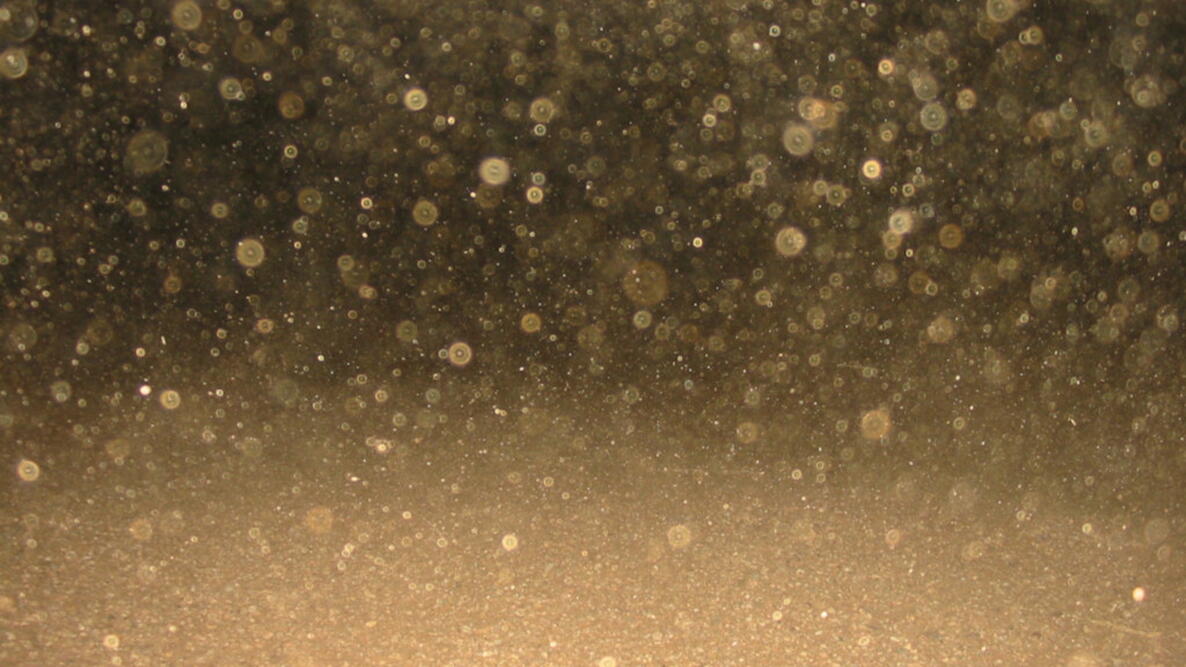
Household dust is a mixture of tiny particles that come from both inside and outside the home. Dirt tracked in on shoes, fibers from clothing and carpets, dead skin, pet hair and dander, pollen, and other airborne particles can all eventually settle on our furniture and floors. Here’s where dust comes from—and a few ways to get rid of it.
Where Does Dust Come From?
A lot of household dust comes from people. Although we may not see it, our shoes bring in tiny dirt particles that become airborne as we travel from room to room.
Our bodies also produce dust in the form of dead skin flakes. These flakes can become part of household dust and, in turn, provide food for microscopic dust mites.
Pets contribute their share of dust, too, through hair and dander. Fibers from clothing, bedding, carpets, curtains, and upholstered furniture also break down into tiny particles that settle around the house.
And some dust comes from outdoors. Pollen, soil, and other tiny particles can enter through open doors and windows or hitch a ride indoors on shoes, clothing, and pets.
Smoke and cooking also release tiny particles into the air that eventually settle as dust.
How to Get Rid of Dust
Wondering how to get rid of dust more easily?
If you have limited time, focus your attention on places that distribute or collect the most dust, such as radiators, heat registers, rugs, and upholstered furniture, and vacuum them frequently.
Start dusting from the top and work your way down so that anything that falls can be cleaned up afterward. A slightly damp cloth can help capture dust instead of simply sending it back into the air.
Set out a coco-fiber doormat to scrub dirt from the soles of shoes and boots. Take your shoes off at the door and ask guests to do the same. Keep slippers for your family under a bench where all can sit to take off outdoor shoes.
Regularly wash bedding, blankets, and other washable fabrics where dust and dander can accumulate. Don’t forget to vacuum rugs, upholstery, and those easy-to-overlook spots under furniture.
And if you’re in the market for a new vacuum cleaner, invest in one with effective filtration to trap dust particles rather than simply sending them from room to room. Keep the filter clean and replace it as recommended by the manufacturer.
Dust With the Weather
What can you do best on a dull, rainy, still day? Dust.
The minute particles that usually float about in the air will be more settled when the air is still, and more of them will be captured on your dust cloth.
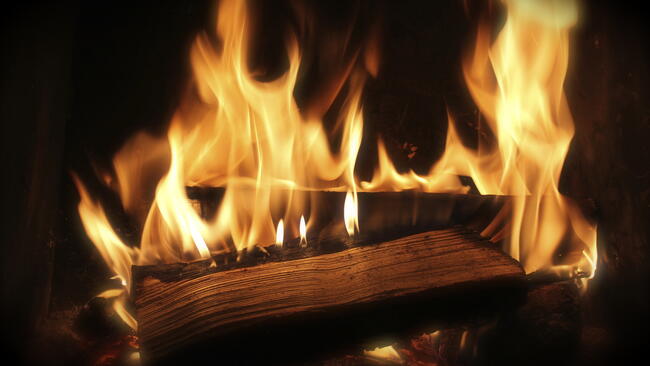
This is also a good time to do tasks that create dust, such as cleaning the ashes out of the fireplace or woodstove or emptying the vacuum cleaner. On a calm day, dust and ash are less likely to spread through the house.
So, when the weather outside is dull and still, consider turning your attention indoors. It may just be the perfect day to give the house a good dusting!
Why Does My House Get So Dusty?
Even a spotless house will accumulate dust. People, pets, fabrics, outdoor air, and everyday activities are constantly adding tiny particles to the indoor environment.
The goal isn’t to eliminate dust completely—it’s to keep it under control. Taking shoes off at the door, using doormats, vacuuming regularly, and dusting with a slightly damp cloth can all help reduce the amount of dust that settles around your home.





Comments