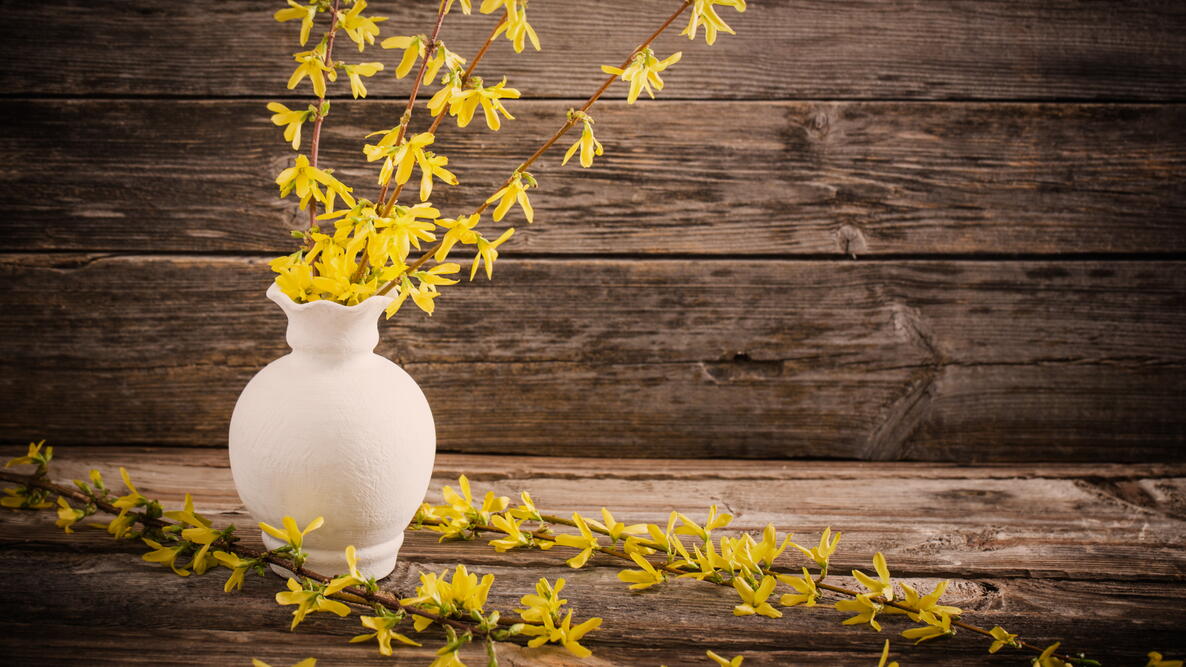
As gardeners, we’re eager to get spring going as early as we can! If you simply cut a few branches of spring-flowering trees or shrubs, the buds will bloom indoors, filling the room with sweet blossoms of spring!
What is Forcing Branches?
This age-old practice is about bringing flowering branches of trees and shrubs indoors in late winter.
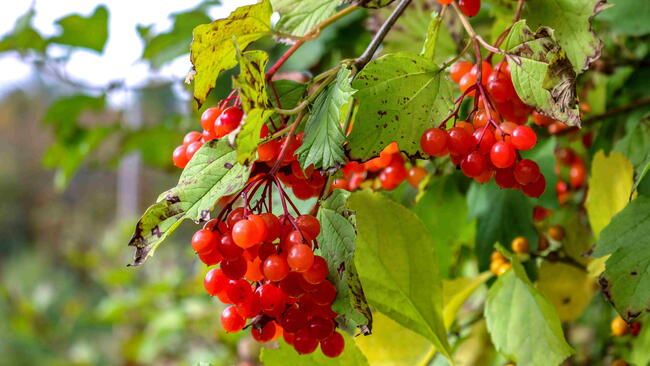
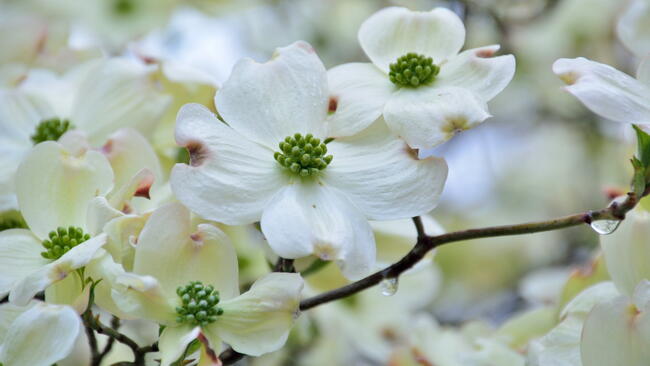
Common branches to “force” are forsythia, pussy willows, tulip magnolia, redbud, quince, dogwood, lilac, and viburnum.
The branches need to have buds that haven’t yet blossomed. You’ll prune a few nonessential branches and cut in a base. The buds will gradually open indoors, similar to the way cut flowers unfurl their petals.
This will get you outside to do the late winter pruning that’s essential at this time of year. Don’t worry about harming your shrub or tree. See our Winter Pruning Guide for Trees and Shrubs (plus more tips below the chart).
Best Trees and Shrubs for Forcing Branches
Below is a list of the best trees and shrubs to prune before they bloom. The numbers in the chart below indicate the approximate number of weeks that the branches will take to flower indoors.
Note: Branches won’t flower until they’ve had a proper cold period, usually about 6 weeks.
January to early February is a great time to force forsythias and witch hazels. By mid-February, try eastern redbud, cherry, and red maples. By mid to late February, consider lilacs, honeysuckle, willows, and magnolias.
If you have pussy willows, they are a great choice for forcing indoors. They don’t require water, and they last for ages. (Wait until the downy catkins have broken out of their casings.)
Best Trees and Shrubs for Forcing Indoors
| Tree or Shrub | Time to Bloom |
|---|---|
| Buckeye | 5 weeks |
| Cherry | 4 weeks |
| Cornelian dogwood | 2 weeks |
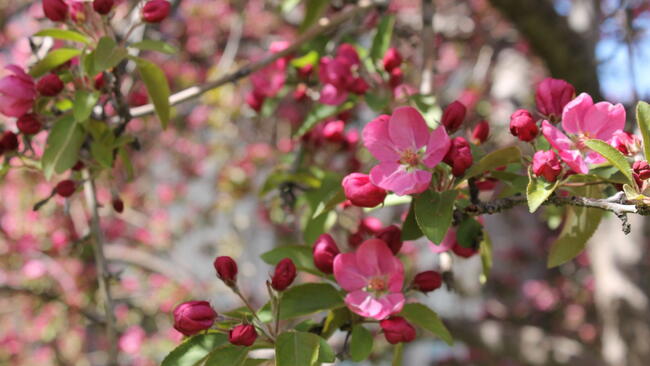
| Crabapple | 4 weeks |
| Deutzia | 3 weeks |
| Flowering almond | 3 weeks |
| Flowering dogwood | 5 weeks |
| Flowering quince | 4 weeks |
| Forsythia | 1 week |
| Honeysuckle | 3 weeks |
| Horse chestnut | 5 weeks |
| Lilac | 4 weeks |
| Magnolia | 3 weeks |
| Pussy willow | 2 weeks |
| Red maple | 2 weeks |
| Redbud | 2 weeks |
| Red-twig dogwood | 5 weeks |
| Spicebush | 2 weeks |
| Spirea | 4 weeks |
| Wisteria | 3 weeks |
*Note that the trees tend to be stubborn, and their blossoms may not be as rewarding as those of the shrubs.
How to Prune Branches
All you need is a pair of clean, sharp pruners. No special expertise is required.
- Choose a day when the temperature is above freezing. The milder temperatures help ease the transition the plants must make from outdoors to indoors.
- Look for branches that have large, plump buds. Select branches that are not essential to the form of your shrub or tree—in a crowded section and towards the back of the plant.
- Prune a 1- to 2-foot-long piece of branch. Choose a branch with lots of buds, preferably with buds that are beginning to open. (The flower buds are generally fatter and more rounded than leaf buds.)
Remember to use proper pruning techniques! Cut branches on the diagonal. Steeply angled cuts ensure water uptake.
It helps to “bruise” the cut ends: Crush the stem ends with a small hammer; they’ll soak up the water faster.
How to Force Branches
- Once you’re inside, set the branches in a tall vase or container, where they can sit at room temperature overnight. Add water (about three-quarters of the vase capacity). Make sure the vase won’t tip with the heavy branches.
- In the cut ends, cut slits up the branch for several inches to promote water uptake.
- Keep the vase in a bright room away from heaters and direct sunlight. The brighter the room, the better the quality of bloom.
- Recut the ends using a slanting cut the next day.
- Change the water every few days to avoid rot, which can result from a buildup of bacteria. Misting branches helps to prevent the buds from drying out before they bloom.
- Flowers should appear in a few weeks. Once blooms appear, display in a warm area and enjoy!
Note: If your first attempt at forcing does not work, cut branches a few weeks later and try again.
Misted flowers and catkins can last for up to a week in a cool, 60°F room. Branches with leaves may last longer.
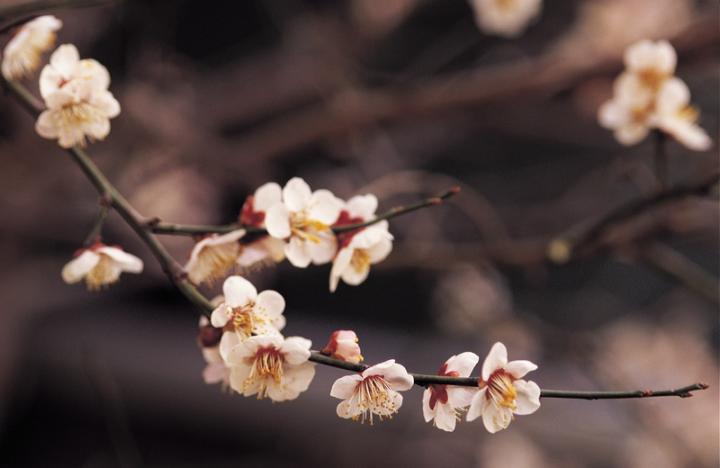
You can also bring spring indoors with flowering bulbs, like hyacinths and daffodils. See our article on forcing bulbs for early bloom indoors. Fill your home with flowers!

More Like This


Comments