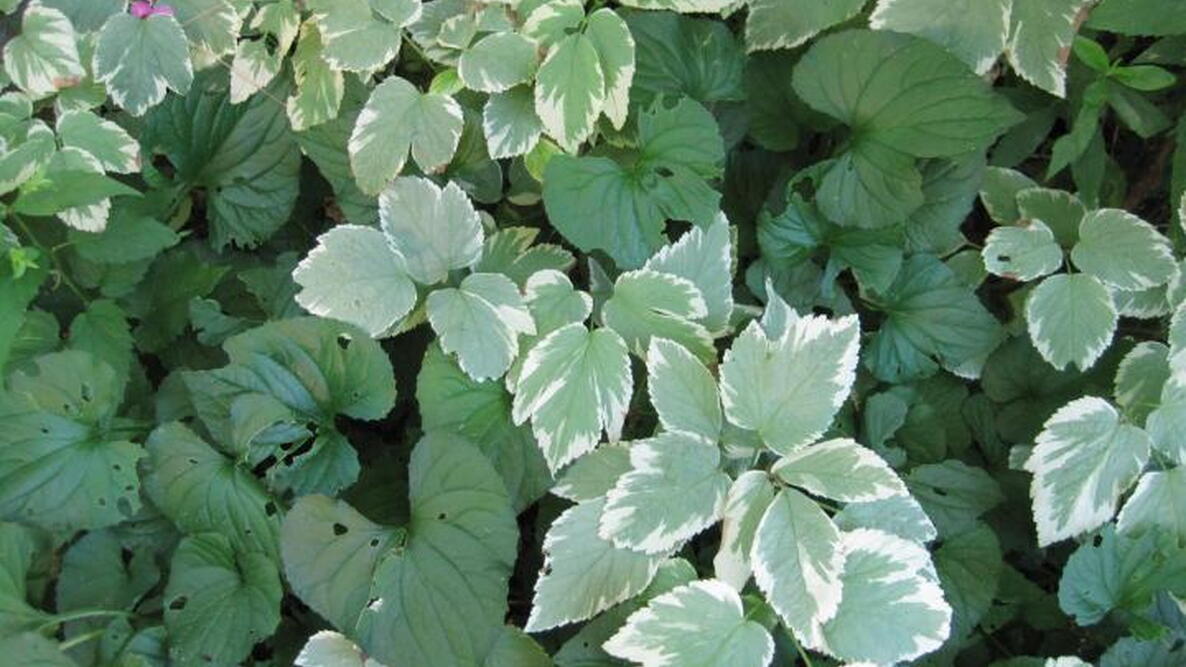

“Garden thugs” are plants—not weeds—that grow so vigorously they can quickly take over flower beds and crowd out neighboring plants. While many are beautiful and valuable in the right place, they need regular pruning, dividing, or thinning to keep them under control.
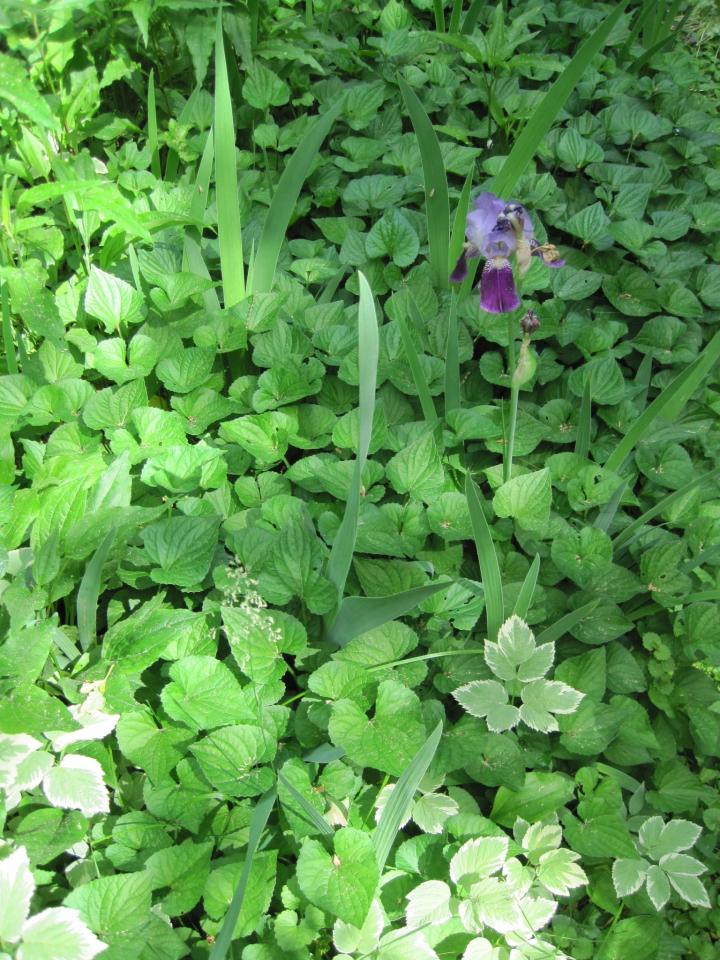
Last week I was making iced tea and wanted to add some spearmint from the flower bed near my kitchen. I couldn’t find it! Though I walk past this bed every day, I hadn’t realized a turf war had been raging under my nose. Ironically, the mint (a notorious garden thug) had been swallowed up by goutweed and violets.
This bed sits in poor soil, gets buried under snow each winter, and receives very little extra water. I intentionally planted rugged, hardy perennials there, figuring they could fend for themselves. They certainly did! Eventually, though, I had to step in and do some long-overdue editing.
10 Aggressive Garden Plants That Need Regular Control
These are some of the biggest “garden thugs” growing in my own yard.
1. Violets
Never fear—next spring there will still be plenty of violet blooms. Wild violets are nearly impossible to eliminate completely. Their shiny, heart-shaped leaves make an attractive ground cover in the right place, but they spread happily in both sun and shade and can quickly overwhelm neighboring plants.
2. Goutweed
Pretty, but dangerous. Goutweed spreads both by underground runners and by seed, making it one of the hardest plants to control once established. I was surprised to see it for sale at a nursery. If you’re considering planting it, think twice.
3. New England Asters
These beautiful native flowers are excellent for pollinators, but they can grow extremely tall and crowd out smaller plants. Cutting them back by about half in midsummer helps keep them more compact.
4. Garden Phlox
I’m not even sure where all mine came from. Birds spread the seed, and the plants develop extensive root systems. I removed many of them and cut back the rest to give nearby plants a fighting chance.
5. Goldenrod
Goldenrod provides brilliant late-season color and is a favorite of pollinators, but it also spreads enthusiastically. A little thinning each year keeps it from overtaking the bed.
6. Great Blue Lobelia
This lovely native seemed to appear out of nowhere and has gradually elbowed its way into several flower beds. I adore the blue flowers, but not at the expense of everything else.
7. Tawny Daylily
This vigorous daylily doesn’t play well with others. After watching it crowd out other colors, I finally gave it a bed of its own where I keep it in check by mowing around the edges.
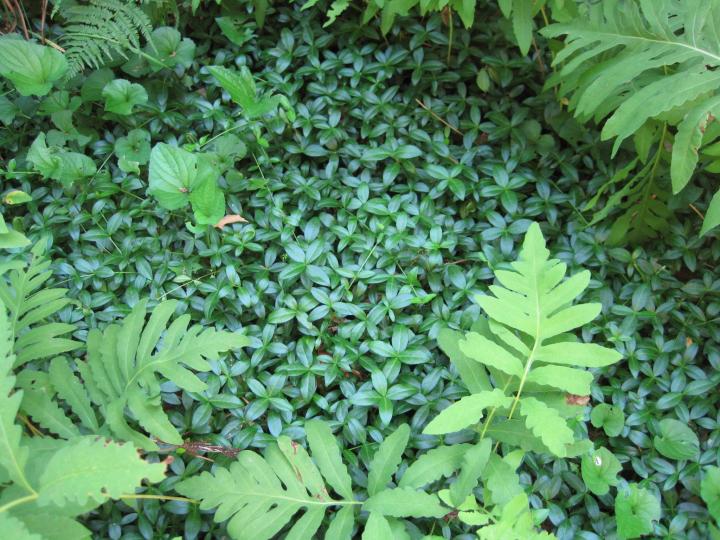
8. Vinca
Years ago, I rescued a piece of vinca growing near an abandoned cellar hole. Any plant that could survive decades without care sounded perfect, until it began taking over. There’s a reason vinca appears on invasive species lists in many states.
9. Lily of the Valley
In rich soil, lily of the valley spreads rapidly through underground rhizomes. Thankfully, in my challenging garden, it has remained surprisingly well behaved.
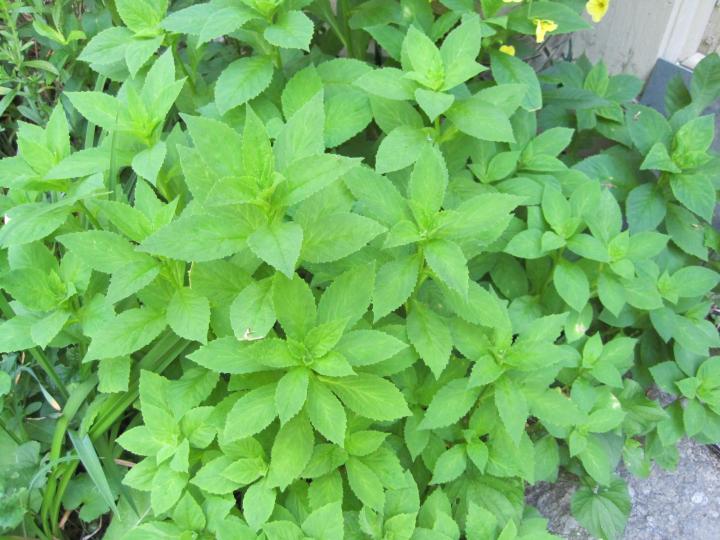
10. Obedient Plant
Despite its name, obedient plant is rarely obedient. It often spreads aggressively, though in this particular flower bed it has finally met its match against even tougher neighbors!
How to Keep Aggressive Plants Under Control
Many vigorous perennials can stay beautiful for years with a little maintenance. If a favorite plant starts spreading beyond its welcome:
- Divide crowded clumps every few years.
- Cut back tall growers in midsummer.
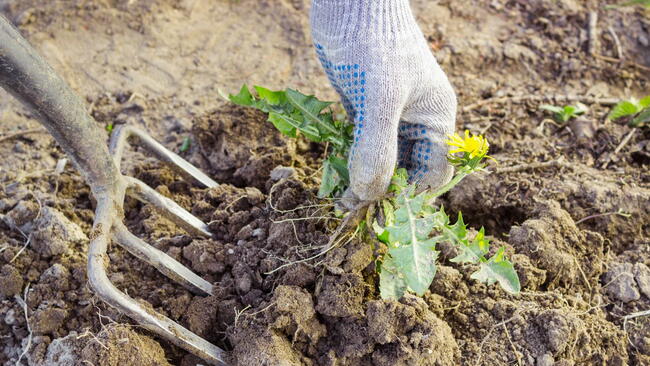
- Dig out unwanted runners and seedlings.
- Grow spreading plants in dedicated beds or containers.
- Deadhead flowers before they set seed when appropriate.
Watch for These Warning Labels
When shopping for new plants, pay attention to descriptions like:
- Vigorous grower
- Fast spreading
- Self-sows freely
- Thrives in sun or shade
- Excellent for erosion control
- Forms colonies quickly
These aren’t necessarily deal-breakers—but they do mean you’ll likely be doing more maintenance down the road.
It’s also worth checking your state’s invasive species list before introducing a new plant to your landscape.
The upside to spending a few hours removing some of these garden thugs? You suddenly have room for new perennials, fresh annual color, and healthier, happier flower beds.
PS: Some other common garden thugs include: blackberries, horseradish, Japanese anemones, the herbs dill and fennel, amaranths, and butterfly bushes. Add yours as well in the comments below!
More Like This

Comments