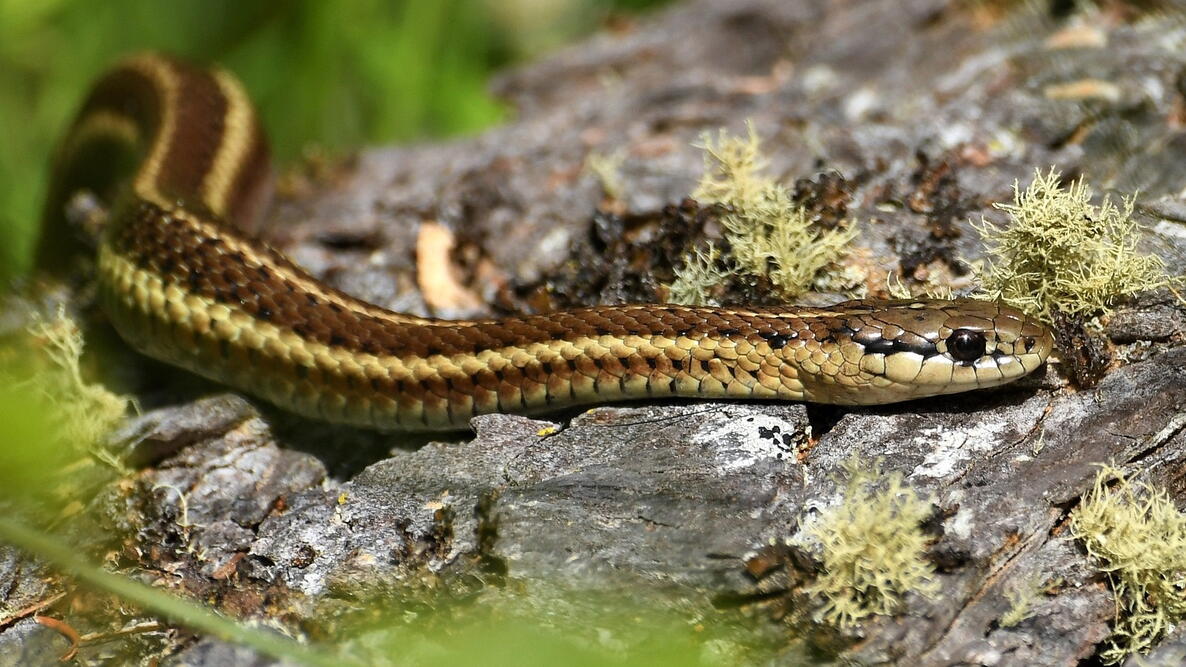
Garter snakes are a gardener’s friend and one of the most beneficial garden reptiles you can have in your yard. Harmless to humans, garter snakes in the garden help control pests by eating slugs, insects, and even mice. Learn more about this shy but helpful garden helper that simply wants to live peacefully in harmony with you—and eat your slugs.
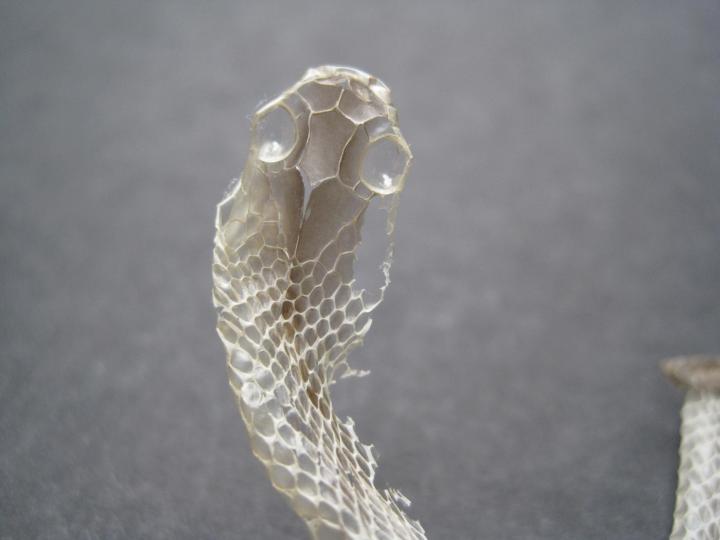
I found a snake skin in my garden a few weeks ago. While other people might have been freaked out, it made me happy to know that snakes find my yard a good place to call home. The garter snake is the snake species that North American gardeners will most often encounter—and we should be thankful!
Of course, I am lucky that there are no venomous snakes in my area. Unlike other parts of the country, we have just one type of venomous snake in New Hampshire—the timber rattlesnake—and it is not found anywhere near where I live. In fact, they are so rare that the NH Fish & Game Department has implanted radio tracking devices in the ones that they have caught to keep an eye on their movements. I kind of wish we did have some; they’re known to eat tick-infested mice!
About Garter Snakes
There are many types of garter snakes found all across North America, from Mexico to Canada. They have a variety of patterns and markings, and can be brown, tan, olive, or black with yellow, red, orange, or even blue stripes down their sides and backs. Some are all black. They can grow over 4 feet long, but most adults reach only 2–3 feet in length.
| Feature | Garter Snake |
|---|---|
| Length | 2–4 feet |
| Diet | Slugs, insects, mice, frogs |
| Habitat | Gardens, fields, forests |
| Danger Level | Harmless |
| Lifespan | Up to 10 years |
| Venom | Very mild |
- Often called “gardener snakes,” they earn that name by eating grasshoppers, slugs, grubs, and other insects. A large adult garter snake may even eat mice. (Unfortunately, they also eat critters such as frogs, toads, salamanders, and earthworms.) To eat large prey, they unhinge their jaw from their skull. Back-curving teeth keep the prey from escaping.
- Since they grow throughout their lifetime, snakes need to shed their skin when it gets too small. To do this, they rub their head on something rough to hook the skin near their lips and as they crawl out of it, the skin is turned inside out.
- Garter snakes won’t bite you unless provoked. They won’t chase you. They are really very shy and are not looking for a fight!
- Garter snakes do produce a very weak venom, but the venom is so mild that it rarely has any effect on humans. (It can cause light swelling in those who are allergic, however.) The snake uses its venom to subdue larger prey, like frogs and mice.
- Although they are active year-round in the South, in the northern half of North America they hibernate below the frostline in the winter, congregating in large numbers in burrows and crevices to keep warm during the cold months. In the spring, they emerge and mate.
- Females breed only every 2 to 3 years. They bear live young in the late summer, usually having between 4 and 20 babies, though some can bear up to 85!
- It takes 2 years for garter snakes to reach maturity, and they can live to be 10 years old in the wild.
Benefits of Garter Snakes in the Garden
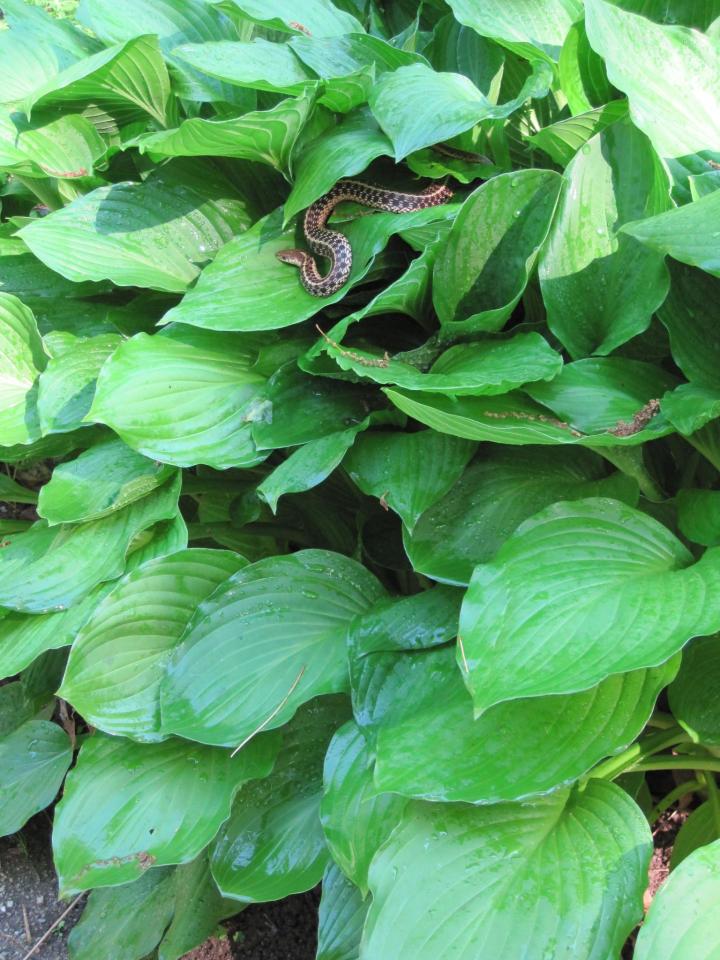
I see these fine fellows often in the spring out sunning themselves on large flat rocks. Since they are cold-blooded, they need the sun’s warmth to help them digest their food. In the summer, I hear them slithering beneath the landscape fabric and black plastic that we use for mulch in some of the garden beds.
When I’m picking cucumbers or squash, they will swiftly slip out of the way—and it can be startling—but I am happy to have them, especially if they are eating the cucumber beetles, slugs, and squash bugs.
A Word of Warning About Garter Snakes
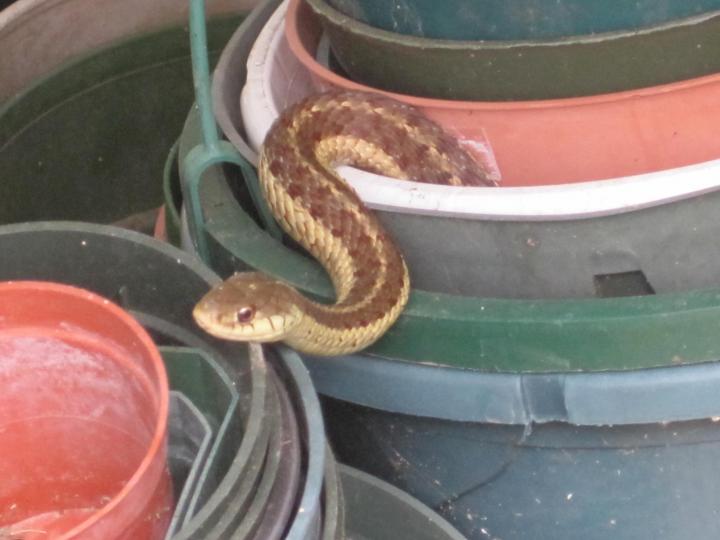
Garter snakes are relatively harmless and are beneficial predators of rodents and insect pests. However, do not pick one up. If it is alarmed, it may give you a little nip (a harmless one, but still a bite).
Safety tips:
- Do not pick up snakes.
- Observe from a distance.
- Identify species before approaching.
- Leave venomous snakes alone.
- Contact wildlife professionals if needed.
Learn to identify snake species as well. There are venomous species that can be dangerous if provoked or startled. Pit vipers such as water moccasins and rattlesnakes have thick bodies, narrow necks, and wide triangular heads, while non-venomous snakes tend to have heads that are barely bigger than their necks. If you are unsure what venomous snakes are located in your state, check out this list of venomous snakes by state.
Frequently Asked Questions
Are garter snakes dangerous?
No. Garter snakes are harmless to humans and rarely bite unless provoked.
Do garter snakes bite?
They may give a small defensive bite if handled, but it is harmless.
Why are garter snakes in my garden?
They are attracted to food sources like slugs, insects, and mice.
Are garter snakes good for gardens?
Yes, they help control pests and support a healthy ecosystem.
Do you have snakes in your garden? Do you find them beneficial or harmful? Please comment below!

More Like This

Accidents happen. Now you know what to look for!
- « Previous
- 1
- 2
- …
- 10
- Next »

Comments