For daily wit & wisdom, get the Almanac newsletter.
Gardening Advice
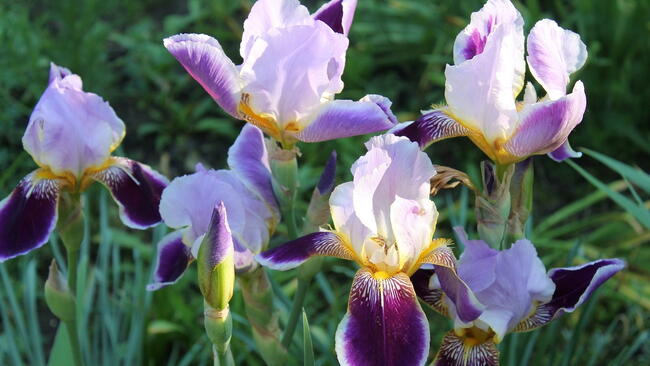
Before seed packets and planting calendars, gardeners looked to the land itself for guidance. When lilacs bloomed, beans went in. When dandelions appeared, potatoes followed. This time-tested practice—called phenology—uses nature’s seasonal cues to tell us when conditions are truly right for planting. By tuning in to blooms, bird migrations, and leaf-out times, you can garden in rhythm with your…
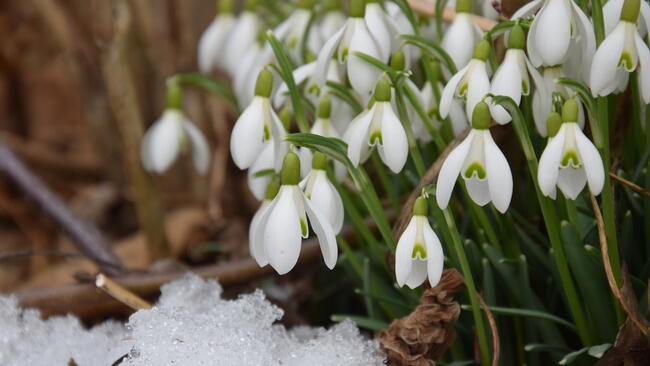
Early spring bulbs are a welcome sign that winter is loosening its grip. Some of the earliest bloomers push through snow in February and March, offering much-needed color for gardeners and vital nectar and pollen for emerging bees. These tough, cold-tolerant flowers are easy to grow, deer-resistant, and perfect for naturalizing under trees, along walkways, or in garden beds. If you’re eager to…
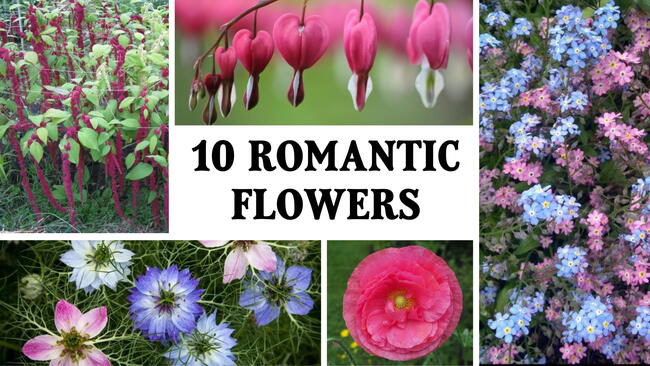
Valentine’s Day is the perfect time to celebrate love in all its forms, and what better way to do that than with flowers whose names are as romantic as their blooms? From classic cottage-garden favorites to dramatic heirlooms, these love-themed flowers make meaningful gifts and beautiful additions to any garden. Plant them once, and they’ll keep the romance alive all season (or longer), reminding…
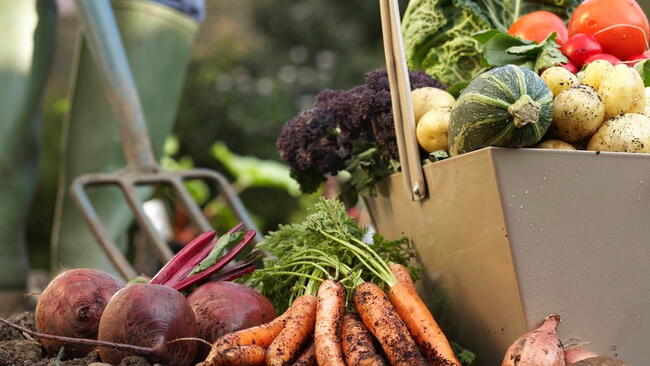
Want to grow the healthiest vegetables and fruits right in your own backyard? Focusing on nutrient-dense crops ensures that your garden is packed with vitamins, antioxidants, and disease-fighting compounds. From dark leafy greens like kale and spinach to colorful tomatoes, carrots, and berries, you can grow fresh produce that maximizes health benefits for you and your family. Learn which…
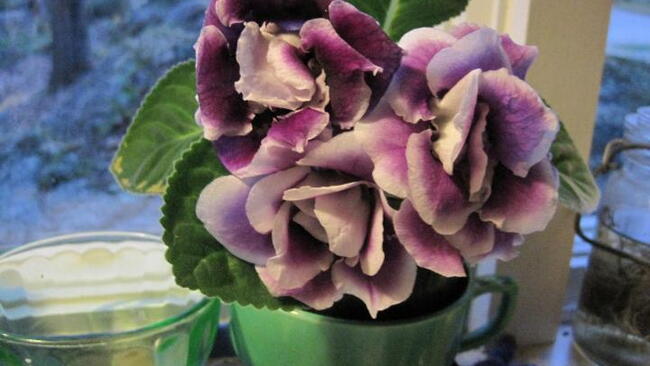
Winter can be tough on houseplants. Dry indoor air, shorter days, cold drafts, and sneaky insects can quickly turn healthy plants into struggling ones. With a few simple adjustments—like boosting humidity, watering correctly, and managing light—you can help your indoor garden stay healthy and vibrant all winter long.Winter Houseplant Care EssentialsIncrease humidity to 40–50%Reduce…
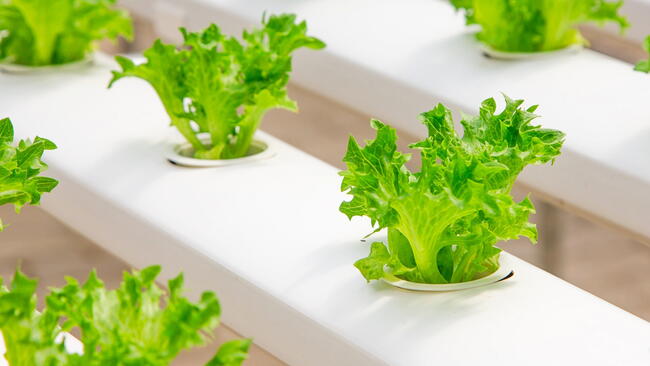
You don’t need soil—or even a backyard—to grow fresh vegetables all year long. Hydroponic gardening lets you grow plants in nutrient-rich water instead of soil, making it cleaner, faster, and surprisingly easy. Whether you want to garden indoors in winter or maximize a small outdoor space, this beginner’s guide to hydroponics will show you how to get started with confidence.What is…
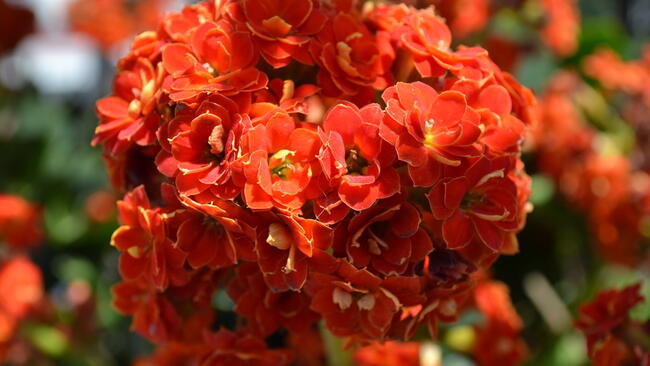
When days are short and skies are gray, flowering houseplants step in with weeks (even months) of vibrant color. The best part? Many winter-blooming houseplants are surprisingly easy to care for and practically thrive on neglect. Whether you’re looking to brighten your own space or give a living gift, these dependable bloomers bring life, color, and cheer to the coldest season.Looking for…
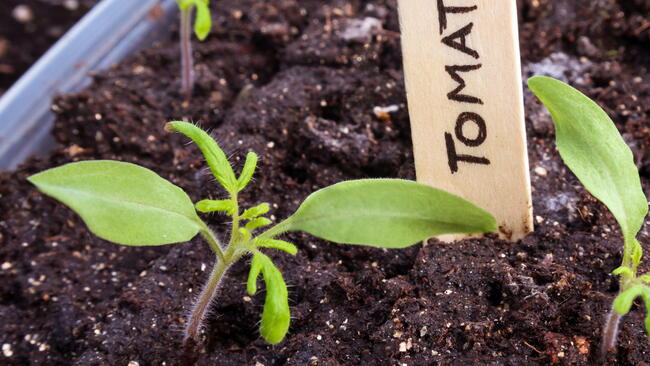
Want tomatoes that are ripe, juicy, and bursting with flavor before your neighbors’ plants even sprout? Starting your tomatoes from seed indoors is the secret to getting a head start on the growing season—and it’s easier than you think. From cherry to heirloom varieties, we’ll walk you through 12 foolproof steps to grow healthy, stocky seedlings that will thrive in your garden. Let’s dig in…
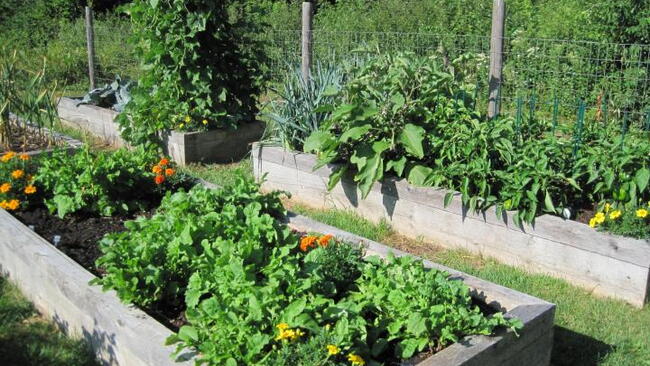
Our grandparents grew “organic” without even using the word. What does it mean to be an organic gardener? Here are eight steps to help you ditch the chemicals and be rewarded with better-tasting, more nutritious, less toxic food—that’s also better for the natural world around you.Yes, organic produce not only has a superior taste but is more nutritious. Plus, it’s environmentally friendly,…
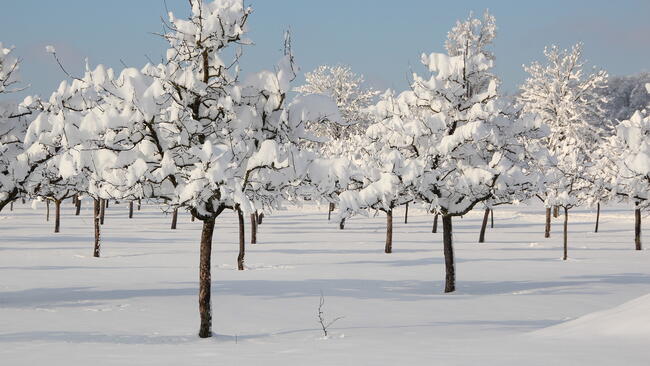
Nature is fascinating. Ever wondered how trees and plants survive winter? They certainly can’t move inside to get warm! Plants go through an amazing process similar to hibernation called “dormancy.” Learn more about your natural world. We have had some snow so far this year, but it’s still early. For once, I am hoping for a lot of snow to insulate the ground and protect my plants.…
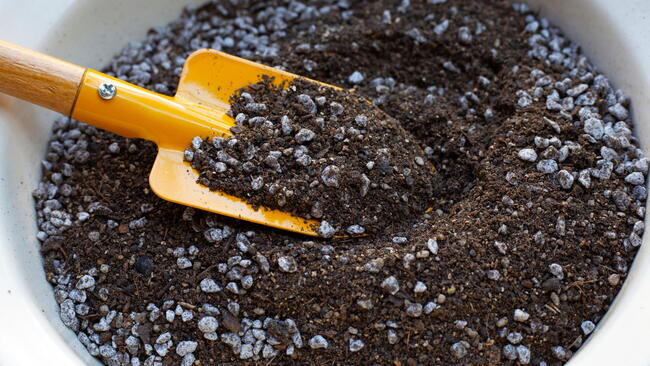
You have probably noticed the little white chunks in commercial potting soil and wondered what they were and why they were there. They are often mistaken for pieces of Styrofoam, but are much harder. Actually, it is perlite, a natural stone that is added to the soil mix to improve drainage. Keep reading to learn about perlite and tips for using it in your garden!What is Perlite?Perlite…

Whatever you may think of snow, remember the old saying: “Snow is a poor man’s fertilizer.” As it turns out, there’s real science behind this winter wisdom. From protecting plant roots and enriching the soil to regulating temperature swings, snow plays a vital role in garden health. Before you curse the next snowfall, discover five reasons why your garden is quietly thanking you beneath that…
