Planting
When to Plant Basil
Wait until after the danger of frost has passed before planting basil outdoors. Basil loves warmth, so for best growth, wait until the soil has warmed and nighttime temperatures are consistently above 50°F (10°C).
If starting basil from seed, sow indoors 6 to 8 weeks before your last spring frost date, then transplant seedlings outside once conditions are warm enough. University of Minnesota Extension
Don’t rush basil! Without warmth, it simply won’t take off.
| If you’re… | When to start |
|---|---|
| Starting basil seeds indoors | 6–8 weeks before the last spring frost |
| Planting basil outdoors | After frost danger has passed and nights stay above 50°F |
Where to Plant Basil
Plant basil where it will get 6 to 8 hours of sun each day. In very hot climates, a little afternoon shade can help protect the leaves from heat stress. Indoors, place basil in your sunniest window or under grow lights.
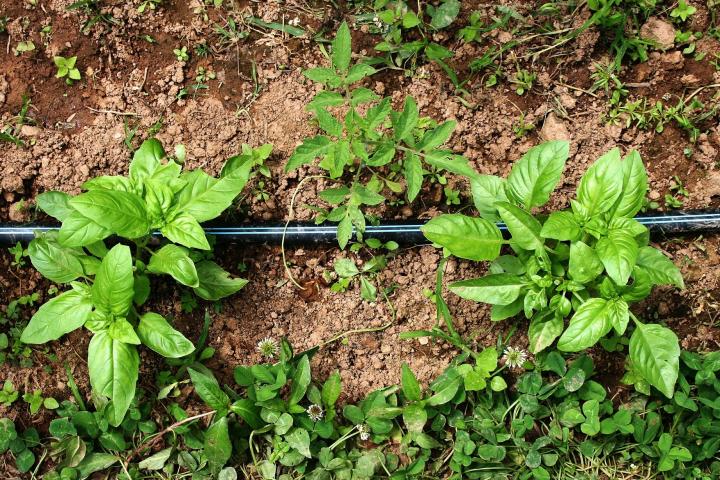
One handy trick is to tuck basil beside taller plants, such as tomatoes, where it can get a little relief from the strongest afternoon sun. Basil and tomatoes are also classic garden companions, which makes them an easy pairing in the vegetable garden.
Choose a spot with well-drained soil that stays evenly moist. Basil grows happily in garden beds, raised beds, and containers. If you’re checking soil pH, aim for about 6.0 to 7.5.
How to Plant Basil
- To start basil from seed indoors, fill pots or seedling trays with seed-starting mix and sow 2 seeds per pot or cell, about ¼ inch deep. Keep the mix moist and place the trays under grow lights; a heating mat can help speed germination. Basil usually sprouts in about 5 to 7 days. Once the seedlings develop true leaves, snip off the weaker one so just one plant remains in each pot or cell.
- To transplant basil outdoors, wait until the weather has warmed, then set seedlings or nursery plants at the same depth they were growing in their pots. Space plants about 10 to 12 inches apart.
- Growing basil in a container? Give each plant its own pot with good drainage. A container at least 6 to 10 inches across works for a single plant, though a larger pot will dry out more slowly.
- After planting, add a 2- to 3-inch layer of mulch or compost around the plants to help hold moisture and suppress weeds.
Growing
Watering
Keep basil evenly moist, but don’t let the soil stay soggy. Water when the top inch of soil feels dry; plants in containers will usually need water more often than basil growing in the ground.
During hot summer weather, check basil frequently—especially pots, which can dry out quickly. If you live in a hot area, adding mulch helps hold moisture longer and reduce how often you need to water.
Fertilizing
Basil doesn’t need heavy feeding. If growth slows or leaves look pale, feed plants lightly with a balanced liquid fertilizer during the growing season. Container-grown basil may need feeding more often because nutrients wash out with regular watering.
Pruning or Maintenance
Pinch basil regularly to keep plants bushy and producing new leaves. Once a young plant has several sets of true leaves, pinch the stem just above a pair of leaves. New branches will grow from that spot, making the plant fuller.
Continue pinching or harvesting every week or two as the plant grows. If flower buds appear, pinch them off to keep the plant focused on leaf production—unless you’d rather leave some blooms for pollinators.
That’s much easier for a beginner to understand than “pinch the leaves back to just above the second set of leaves.”
Temperatures and Seasonal Care
Basil loves warmth but is very sensitive to cold. If a late chill threatens, protect plants with a frost cover or move containers indoors. Before the first fall frost, harvest the remaining leaves—basil will not survive freezing temperatures.
In very hot weather, basil may need more frequent watering, and a little afternoon shade can help in especially hot climates. Check container-grown plants often; they can dry out much faster than plants in the ground.
t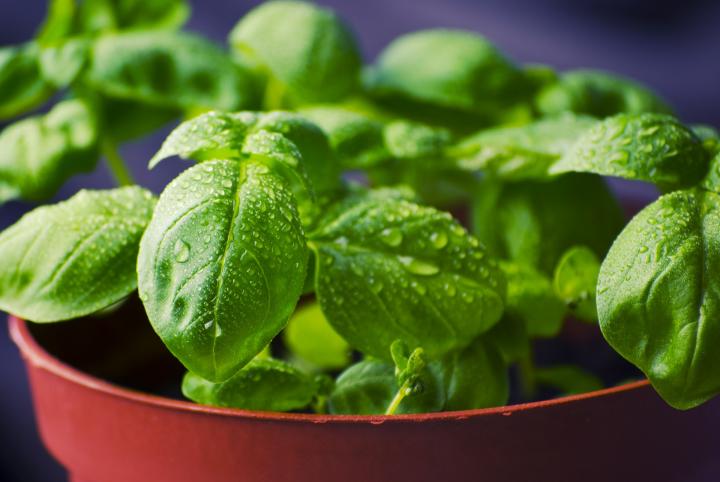
Types
Types of Basil
- Sweet basil or Genovese basil is the classic basil most gardeners know, with large green leaves and the familiar sweet, peppery flavor used in pesto and other summer dishes. It is a good all-purpose choice for garden beds and containers.
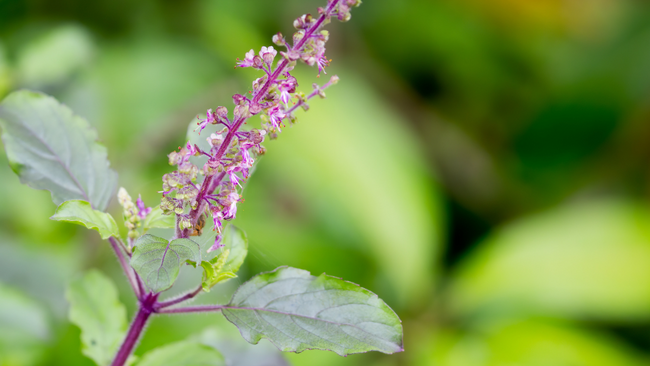
- Cinnamon basil has green leaves with purple stems and flowers, plus a mild cinnamon-spice aroma. It grows tall and makes an attractive choice for both herb gardens and ornamental beds.
- Purple basil has deep burgundy leaves that add striking color to containers and garden beds. Its flavor is similar to sweet basil but a little more assertive.
- Thai basil has narrow green leaves, purple stems, and a distinctive licorice-like flavor. It also holds up well in hot weather.

More Like This
Comments

It sounds like dodder, a parasitic weed that feeds off nutrients meant for your basil. Remove it as well as the portion of basil to which it is attached. Unfortunately, is very persistent. If it has flowered and gone to seed, you may be fighting it for a few seasons.
Hi, Juuls: Please read the sections above about Care and Harvest/Storage. Once (and every time) your basil gets to 6 sets of leaves, harvest and then cut it back so that only 2 sets of leaves remain. Also, pinch off any flowers that may appear at any time. This will help the plant to focus its energy on leaf production, rather than stem growth. Good luck!
Did you read the plant tag? Most nursery plants "come with" a tag or "stick" that describes basic care, and that often includes spacing. Spacing might vary a bit depending on the type of plant (basil or anything else).
As indicated at the top of this page, thriving plants can grow to a foot or two in height and have proportionate foliage spread. The distance between plants should be 10 to 12 inches. Only you know the distance between them now and whether that is suitable. (Remember that replanting will add stress: The plants will go through a period of adjustment during which they will probably look a bit limp. Consider that they may not all survive a move. They may all survive...just be prepared.)
Dog poop can contain bacteria and parasites (it is not recommended as a fertilizer for edible gardens because of this). It's best to prevent your dogs from going near your garden (such as by fencing it off, using row covers, or planting in high raised beds), but if they do, be sure to wash the herbs thoroughly before using. Also, it's good to check what herbs are safe for your dogs, in case they get curious and want to nibble. Basil is said to be non-toxic (unless your pet has allergies). For a list of plants, see:
http://www.aspca.org/pet-care/animal-poison-control/dogs-plant-list
- « Previous
- 1
- 2
- …
- 10
- Next »

Basil is one of those herbs that won't make it through the winter. It likes warm temperatures and heat.
Some people try growing basil in pots indoors, but that is challenging, too, because basil likes indoor temperatures in the 70s day and night.
It's best to harvest the basil and freeze it for year-round use! See our article on preserving herbs.