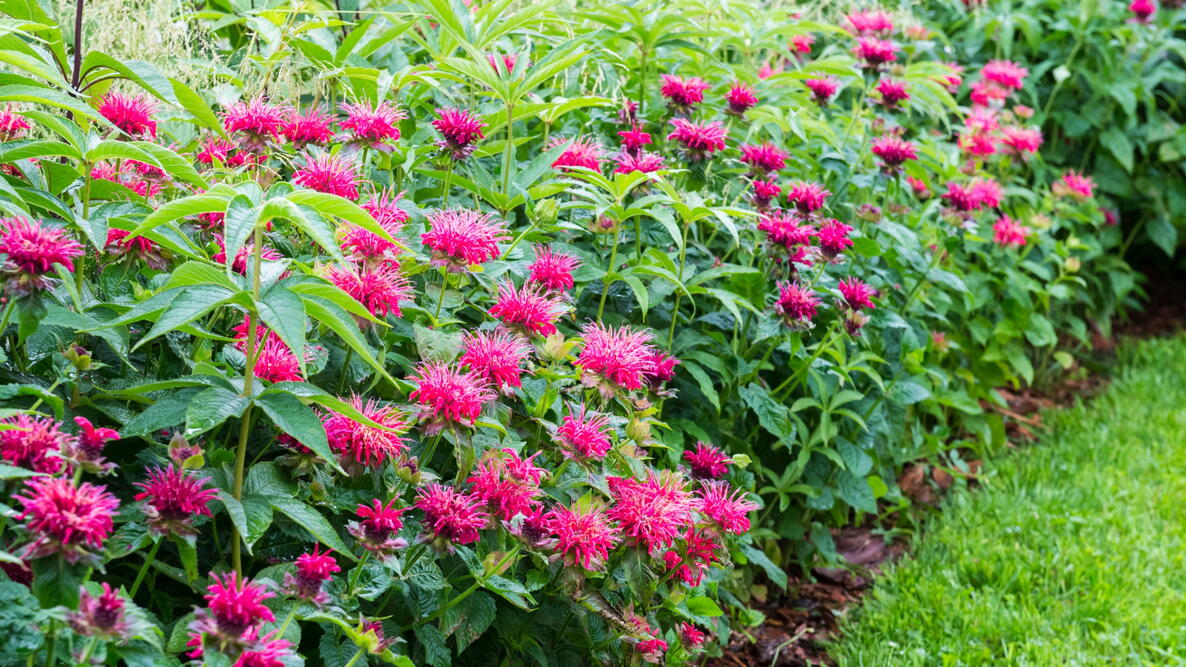
Caption
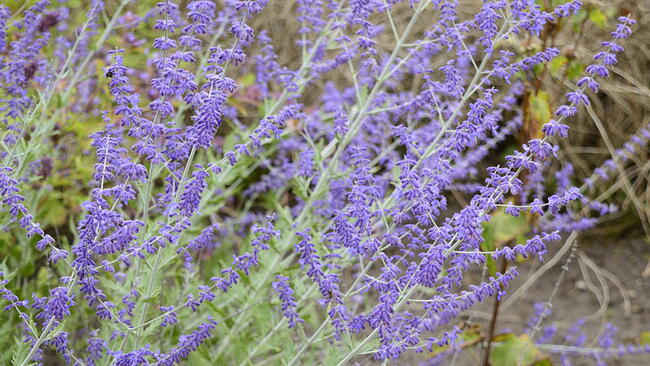
Flowering bee balm (Monarda) in the garden
Bee balm is a native North American clump-forming perennial that blooms in summer and lights up the garden with colorful, nectar-rich flowers and fragrant foliage. This easy-to-care-for plant is beloved by hummingbirds, bees, butterflies, and hummingbird moths—making it a standout choice for pollinator and native plant gardens.
Learn how to plant, grow, and care for bee balm, including tips for preventing powdery mildew and choosing native varieties such as wild bergamot (Monarda fistulosa) known for its lavender-pink tubular flowers, and scarlet bee balm (Monarda didyma) known for its red blossoms.
Flowers appear in 2- to 3-inch-wide heads from June through July, with colors ranging from white and pink to red, lavender, and purple. The flowers’ tubular shape makes them especially attractive to long-tongued pollinators, including hummingbirds and native bees. Find more flowers that are great for bees,
Pollinator Value
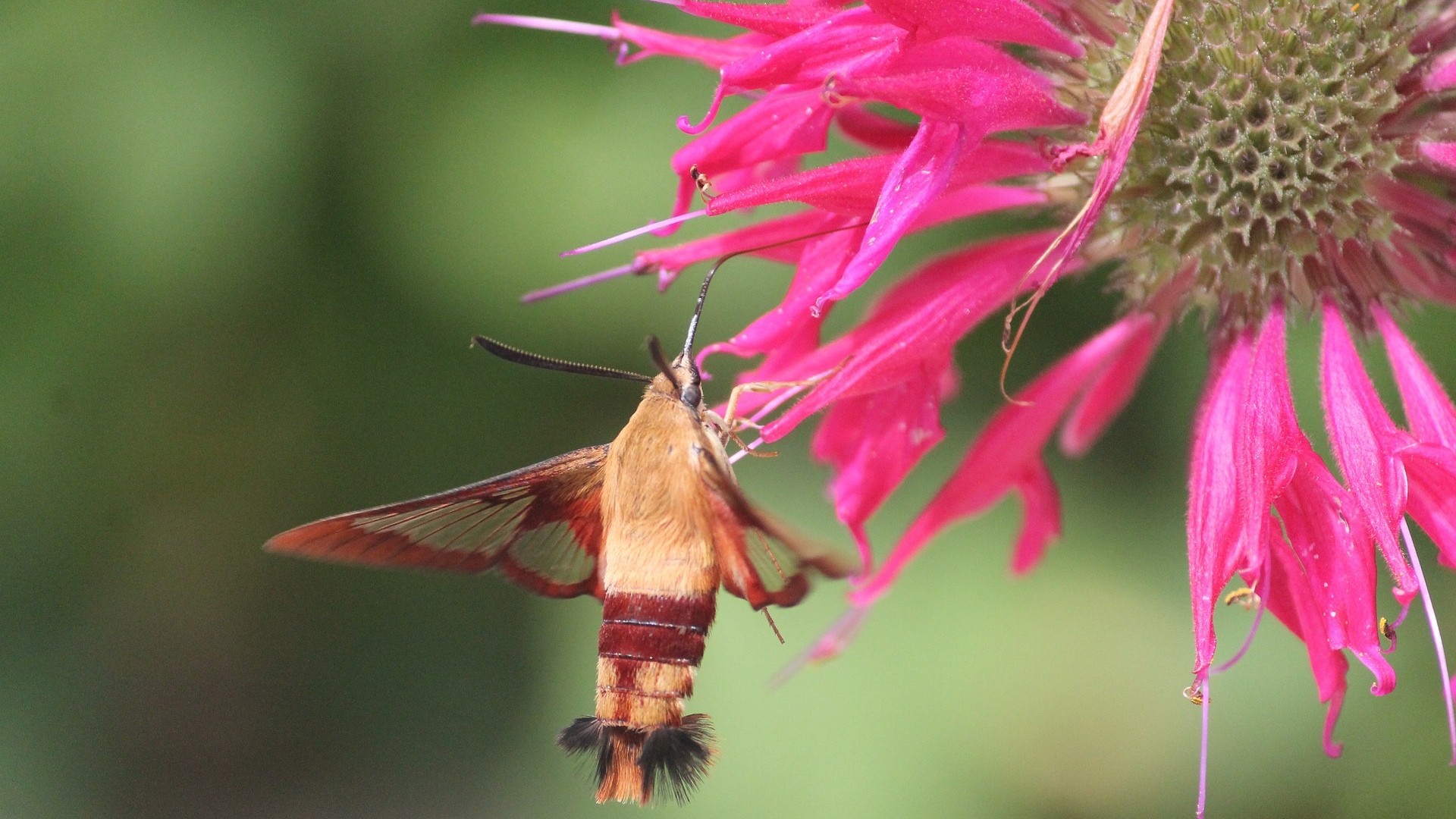
In the garden, bee balm is visited most often by hummingbirds, bees, butterflies, and hummingbird moths, all of which can reach the nectar deep inside the tubular flowers. See more flowers to attract butterflies and hummingbirds!
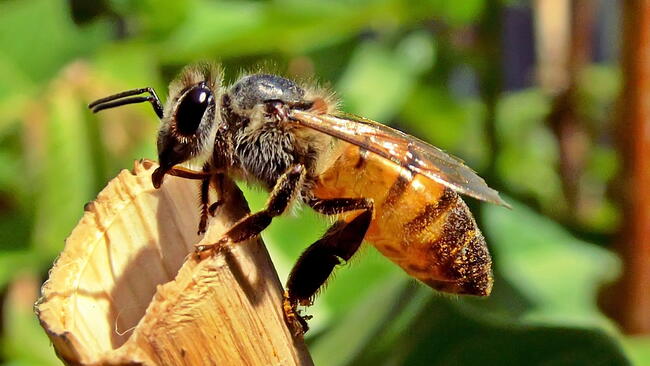
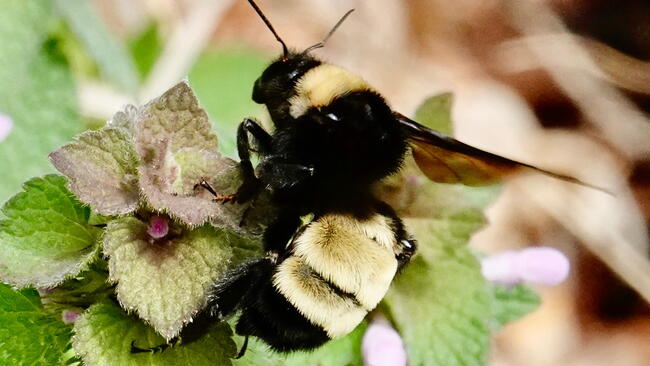
Bumblebees and a few other insects are too big to get into some of the smaller tubular flowers of some bee balms, so the insects practice something called “nectar robbing.” The insects bite small holes at the base of the flowers to reach nectar without pollinating the plant. While fascinating to observe, this behavior does not significantly harm the plant.
After flowering, seed heads attract birds in fall and winter, extending bee balm’s value beyond the growing season. See 12 plants with seed heads for the birds.
Garden Design Use
Growing 2 to 4 feet tall, bee balm works well as a background or mid-border plant in flower beds and native plantings. Its bold flowers pair beautifully with coneflowers, black-eyed Susans, phlox, and ornamental grasses.
Bee balm is especially effective in:
- Pollinator gardens
- Native wildflower gardens
- Cottage-style plantings
Check out this video to learn more about the benefits of growing bee balm:
Types
- Monarda didyma (scarlet bee balm): bright red flowers; 3–4 feet tall. Mildew-resistant cultivars include:
- ‘Marshall’s Delight’ (pink)
- ‘Jacob Cline’ (deep red)
- ‘Raspberry Wine’ (dark red)
- Monarda fistulosa (Wild Bergamot): Native wildflower with lavender-pink blooms; late summer flowering; drought-tolerant once established
- Monarda pringlei: compact; grow to 18 inches, highly mildew-resistant
- ‘Petite Wonder’
- ‘Petite Delight’ (pink)

More Like This

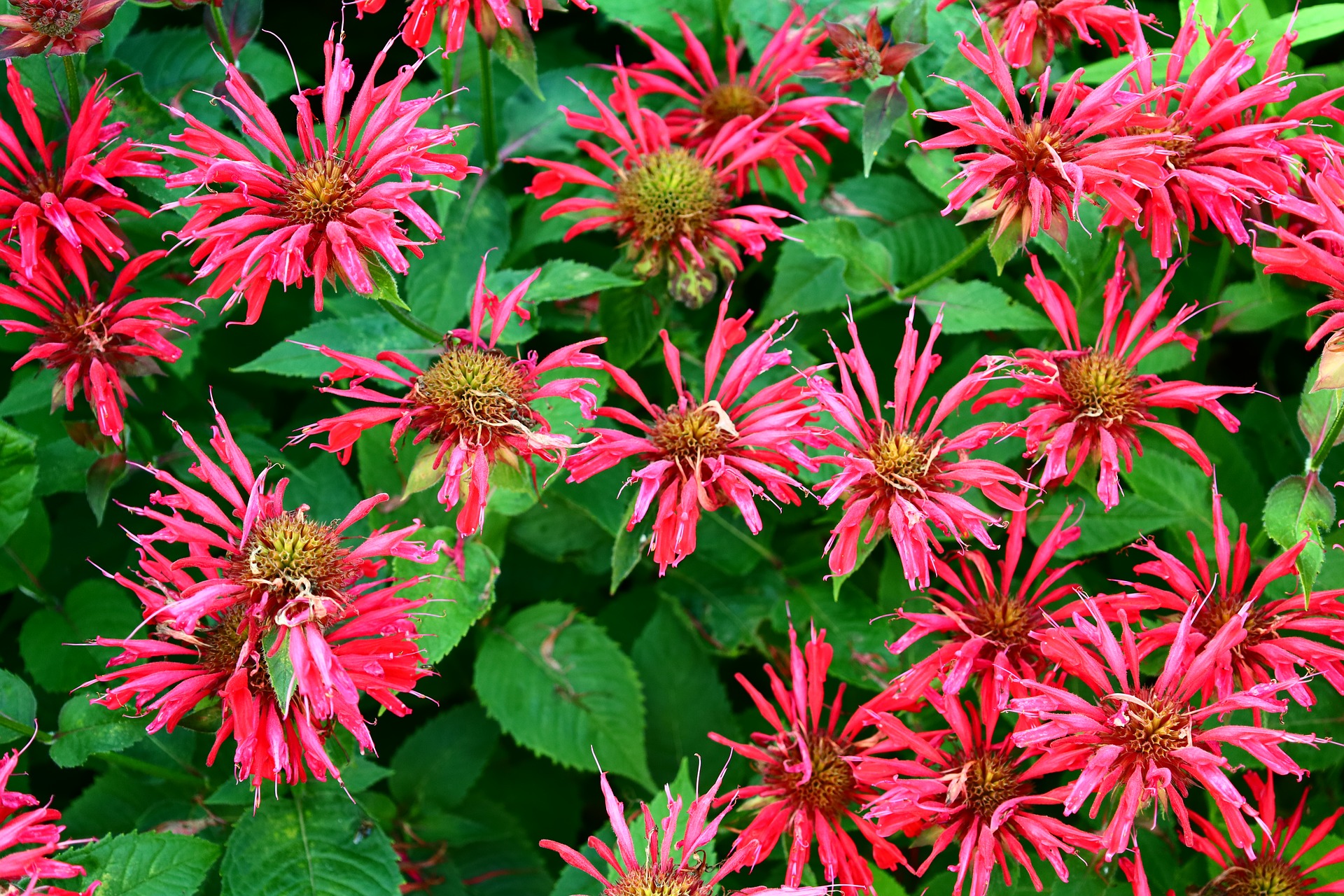
Bee balm comes in a few different colors, including red, magenta, pink, and white. In truth, although the plant is commonly called "bee balm," its tubular flowers are much more attractive to pollinators like hummingbirds, moths, and butterflies, which have the long tongues required to reach the flower's nectar.
Additionally, although bees can't see red, they can see ultraviolet light, and many flowers have invisible (to us) patterns that respond specifically to ultraviolet rays. In fact, here's a photo of bee balm taken in ultraviolet light: Ultraviolet Bee Balm - National Geographic

- « Previous
- 1
- 2
- …
- 10
- Next »

Comments