Planting
Where to Plant Sedum
Sedum enjoy full sun but will tolerate some shade. If growing sedum in an area that gets long, cold winters (Zone 5 and colder), plant in full sun to improve overwintering capability.
Sedum grows well in poor or sandy soil, but it’s important to have well-draining soil to avoid fungal diseases. It is very susceptible to root rot if grown in soil that holds too much moisture. Overly rich soil can also encourage leggy growth, which can result in upright sedum varieties becoming top-heavy when they bloom.
When to Plant Sedum
- Sedum is usually bought in plugs or pots and transplanted into the garden. The best time to plant sedum is in the spring—after the threat of frost but before the heat of summer kicks in.
- Plant sedum seeds in early spring in well-draining, average to rich soil. (Learn more about soil amendments and preparing soil for planting.)

How to Plant Sedum
- Space plants between 6 inches and 2 feet apart, depending on the variety. Low-growing sedums will readily spread to fill any gaps, while upright sedums tend to stay more compact.
- Planting full plants or divisions: Dig a hole deep enough so that the top of the root ball is level with the surface of the soil, then place the plant in the hole and fill in around it. Be careful not to bury the stems of upright sedum, as this can lead to rot.
- Planting cuttings: Like other succulents, sedum can be readily propagated via cuttings. Simply place the cut end into soil, and the cutting should have no trouble rooting under proper lighting and watering conditions.
Growing
- Once established, sedum plants require little care. During the summer, check your plants regularly to make sure they are not too dry and water (sparingly) if needed. As long as your area gets rain every couple of weeks at the least, sedum shouldn’t need any extra watering.
- After flowering, cut back the plants to maintain their shape or contain them in one area.
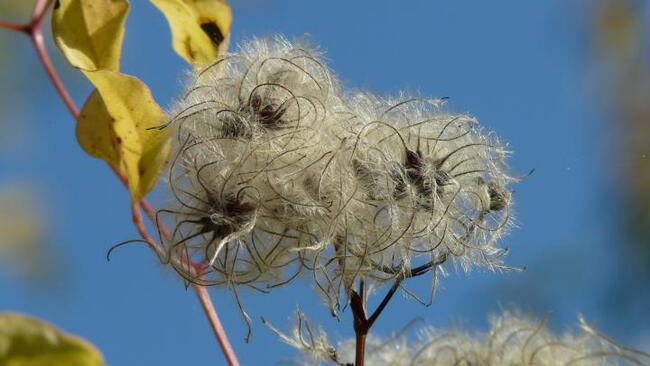
- Tip: For added winter interest, leave the flowers of upright sedum alone after they bloom. They will form attractive seed heads.
- Remember to divide your plants in the spring or fall to control their spread. Throughout the summer, divisions and cuttings root readily.

Types
- Sedum humifusum makes for a great ground cover and has beautiful, bright yellow flowers
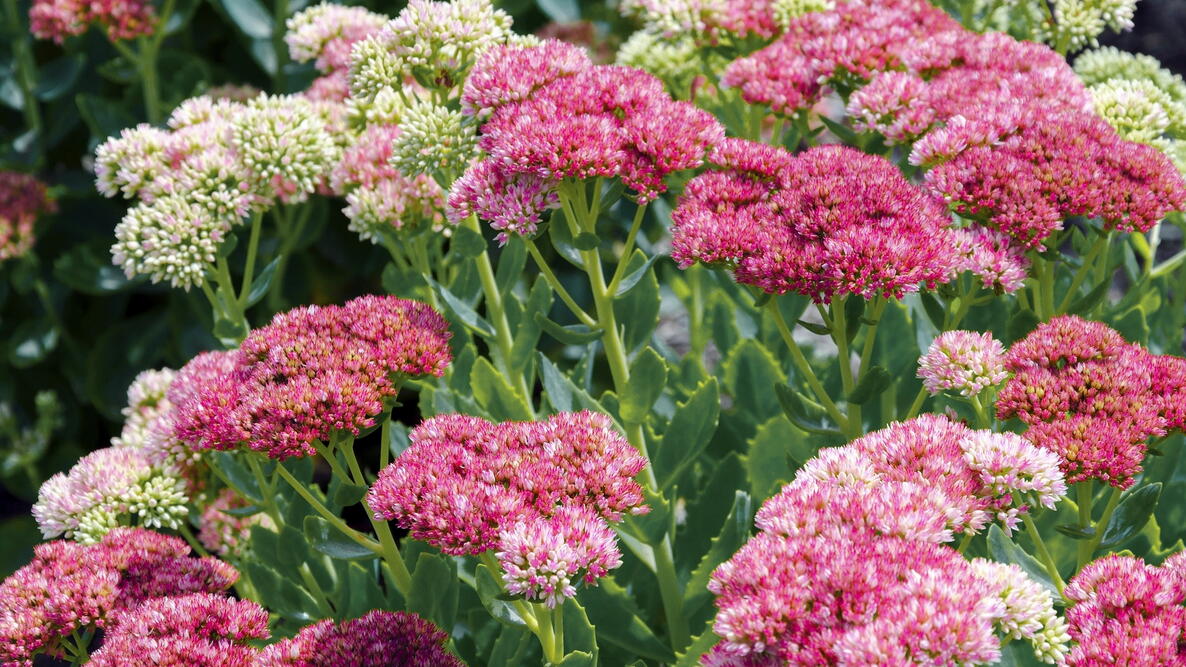
- ‘Brilliant’, ‘Autumn Fire’, and ‘Autumn Joy’ upright sedum (Hylotelephium spectabile, aka Sedum spectabile) add bursts of bright pink and magenta to your garden
- ‘Blue Spruce’ (Sedum reflexum) is a low-growing sedum with blue-green, spruce-like foliage and yellow flowers

More Like This






Sedum and other succulents are particularly sensitive to fertilizers, as their roots can be burned easily by high-nitrogen concentrations. Luckily, they don't typically need much fertilizing. A slow-release (granular) fertilizer would likely be better for sedum, though. If you're worried about neighborhood pets, try to find organic fertilizer alternatives.
Early spring is the best time to divide or transplant sedum plants, especially upright varieties. Creeping varieties are more forgiving, however, and may be moved in later spring, as long as they receive adequate water. Be aware that this could interrupt their flowering, though.
Hi Jeanie,
There are many varieties of Sedum, but some of the most common are these: Sedum acre, Sedum album, Sedum anglican, Sedum dasyphyllum, Sedum forsterianum, Sedum 'Herbstfreude,' Sedum kamtschaticum, Sedum rosea, Sedum rupestre, Sedum spectabile, Sedum spectabile × telephium, Sedum spurium, Sedum telephium. Use these names to search for images to match to your plant. We hope this helps!
Sedum (Phedimus) takesimensis is a hardy, sun-loving, drought-tolerant ground cover. Is it getting sun and not too much moisture?? (A point of interest: this is a recommended green roof plant and was used as such in Missouri in 2012. That suggests it really, really likes sun! Apparently, too, it holds its leaves in winter and drops its leaves very late...then new leaves emerge. Give it time before you give it up.
- « Previous
- 1
- 2
- …
- 10
- Next »

Comments