Looking to add a little French flair to your garden—and your dinner plate? Say “bonjour” to tarragon! This elegant herb, known for its subtle licorice-like flavor, is a culinary favorite and a charming addition to any herb patch.
Whether you’re dreaming of homemade Béarnaise sauce or just want to spice up your roasted chicken, growing your own tarragon is easier than you think. Let’s dig into the delightful world of tarragon—no passport required.
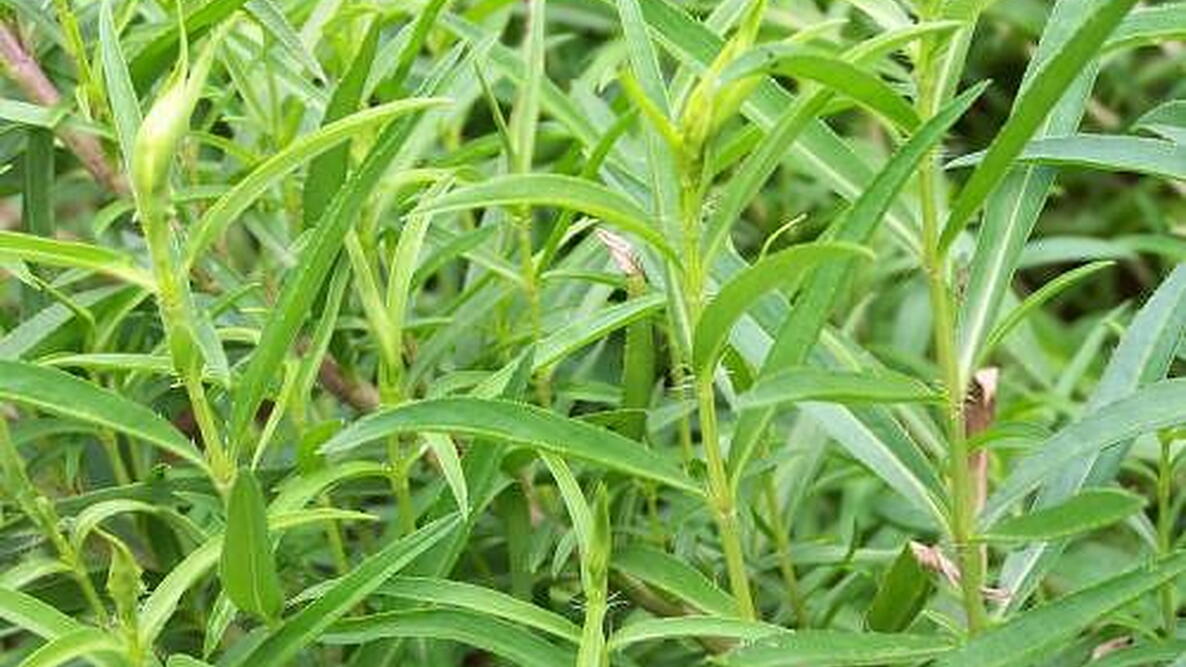
There are two main types of tarragon available: French tarragon (Artemisia dracunculus sativa) and Russian tarragon (Artemisia dracunculoides). French tarragon is the more prized variety, boasting the classic licorice flavor most associated with the herb. However, unlike its Russian counterpart, French tarragon doesn’t produce viable seeds and is typically propagated through division or cuttings. Russian tarragon, on the other hand, readily grows from seed and has a milder licorice taste.
For cooking, use French tarragon. Russian tarragon can easily be mistaken for French, but Russian tarragon is coarser and less flavorful than French tarragon.
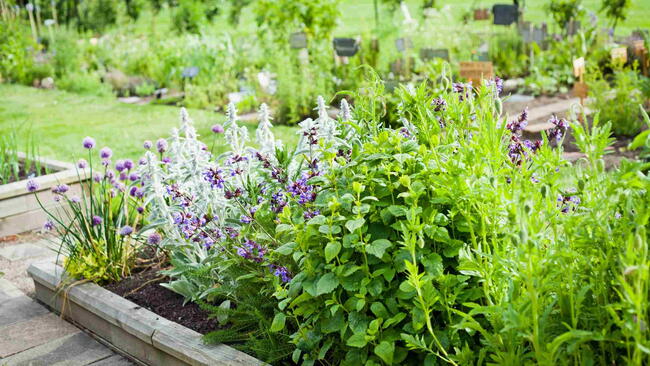
Companion Planting Bonus: Consider planting tarragon near tomatoes, rosemary, or sage. These herbs are said to improve each other’s flavor. Learn more about companion planting.


Comments