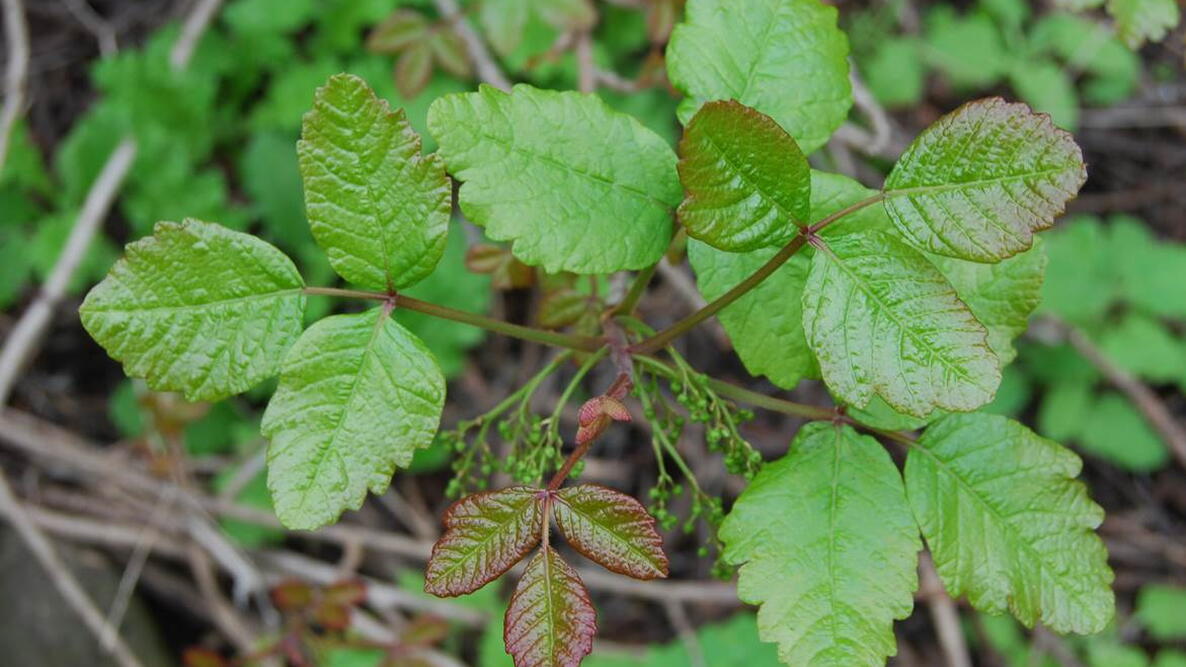
Caption
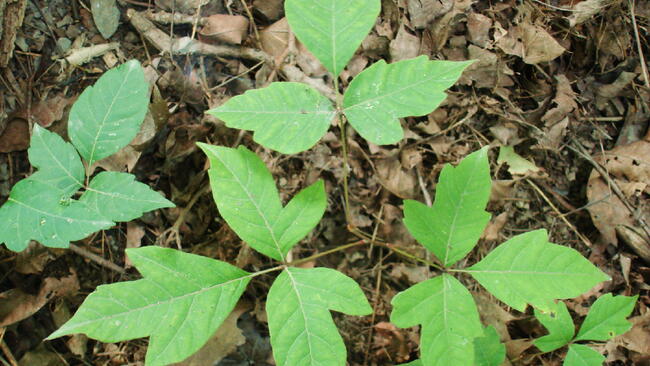
Poison oak can be a harmful plant if you touch it, as its urushiol oil will cause a nasty rash.
“Leaves of three, let it be!” “Hairy vine, no friend of mine!” Learn how to spot poison oak, tell the difference between poison oak and poison ivy, and treat a poison oak rash.
What is Poison Oak?
Poison oak is a plant that causes an allergic skin reaction when it comes into contact with urushiol, an oil found in its leaves, stems, and roots. It typically appears as a shrub or vine with clusters of three leaflets.
Poison Oak vs Poison Ivy (Key Differences)
| Feature | Poison Oak | Poison Ivy |
|---|---|---|
| Leaf shape | Lobed, oak-like | Smooth or toothed |
| Growth form | Shrub or vine | Vine or ground cover |
| Leaf texture | Often hairy | Usually smooth |
| Color variation | Green, red, orange | Green to red/orange |
| Common region | Western/Eastern US | Mostly Eastern US |
Poison oak is a relative of poison ivy. There are many similarities:
- Both plants contain the same toxic resin, urushiol, in all parts of the plant (toxic to humans but harmless to animals).
- Both plants have three leaflets, display white flowers in spring, and can grow as a vine or a shrub.
- Leaflets can range in size from the length of your thumb to the length of your hand.
- A middle leaflet has a notably longer stem than the two side leaflets, though more obvious in poison ivy than in poison oak.
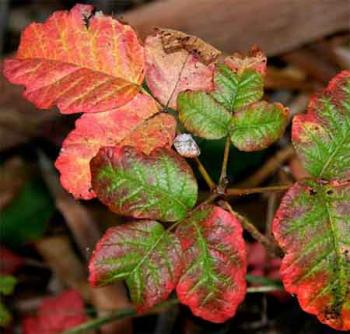
- Depending on the season, leaf color can range from green to orange and even a dark purplish-red.
But they are indeed different plants. In North America, there are two species of poison oak: Atlantic (Eastern) and Pacific (Western).
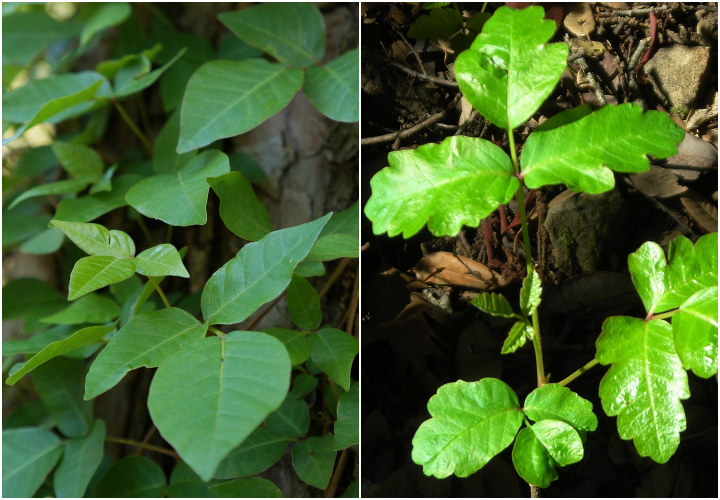
How to Identify Poison Oak
- Poison oak is a low-growing, upright shrub that can reach about 3 feet tall, sometimes resembling a vine.
- The leaf shape resembles an oak leaf (hence the name, poison oak), but it’s not a member of the oak family.
- Leaflets are duller green than poison ivy and usually more distinctly lobed or toothed.
- Leaflets have hairs on both sides, unlike poison ivy.
- Poison oak tends to grow at elevations between sea level and 5,000 feet.
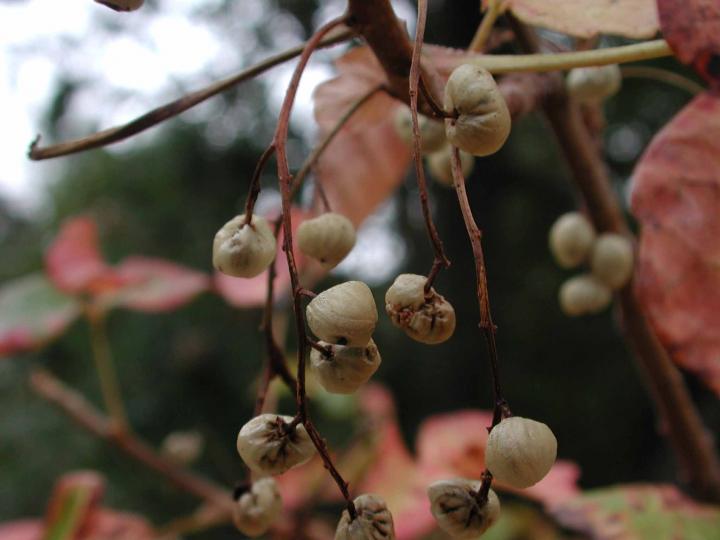
- While the fruit of poison ivy is the color of pearls, poison oak fruit (called “drupes”) is tan.
At the end of the day, remember: Leaves of three, let it be. In other words, if you see a plant with clusters of three leaves, don’t touch it!
Poison Oak Symptoms
Symptoms of poison oak include itchy red rashes that resemble burns, swelling, and even blistering.
Symptoms can take 24-48 hours or even up to a week to show up, mainly if it’s your first exposure!
Poison oak, like poison ivy, contains urushiol. This oily substance causes a poison oak rash, which can be almost impossible to avoid. Upon contact with your body, urushiol immediately forms a chemical bond with the skin and causes an almost unstoppable allergic reaction. Urushiol will stay on clothes, pets, or other materials for months, and its potency lasts. You could even get poison oak without going anywhere near it.
The urushiol resin can cause harsher reactions for those who have been exposed to it before. Sensitivity to urushiol might decrease if you do not come into contact with it until later in life. Only about 15 percent of people are resistant to urushiol, so don’t feel safe around poison oak unless you are absolutely sure you are resistant. You also may become sensitive with repeated exposure, so your resistance might be short-lived.
Danger: Smoke inhalation from burning poison oak can send you straight to the emergency room. Avoid burning this plant (and poison ivy)!
Poison Oak Treatment
Treating poison oak within 10 minutes of contact is your best chance of avoiding a reaction.
Urushiol is not water-soluble! Use strong soaps (like dish soap) and wash with cold water to keep the oils from spreading. Cleanse the area of contact within the first 10 minutes, then rinse off with cold water. As urushiol can remain active for years, you’ll want to wash any clothes, items, or furniture that may have come into contact with the invisible oily residue.
If you don’t catch the exposure immediately, treat the resulting itchy rash and blisters topically with calamine lotion, baking soda pastes, aloe vera, and many commercial products. If you don’t mind mixing breakfast and skin care, one tried-and-true remedy for itchy skin is oatmeal. Fortunately, poison oak is not contagious from the leaking serum, just the fresh urushiol.
If poison oak is extremely serious or you develop a severe reaction characterized by fever or feel generally ill, consult your doctor about a prescription. You should also see your doctor if the rash involves the eyes, mouth, or genital areas.
Of course, the best remedy is always prevention; study our photos so you can recognize poison oak.
Frequently Asked Questions
What does poison oak look like?
Poison oak usually has clusters of three leaflets with lobed or smooth edges and can grow as a shrub or vine.
How long does poison oak rash last?
A rash can last 1–3 weeks depending on severity.
Is poison oak contagious?
No, but urushiol oil can spread from surfaces, clothing, or pets.
What is the fastest way to treat poison oak?
Wash the area immediately with soap and cold water to remove urushiol oil.
Can poison oak spread after washing?
No, but leftover oil on clothing or objects can cause new exposure.
Have you ever had a run-in with poison oak? Tell us about it in the comments below!

More Like This


Comments