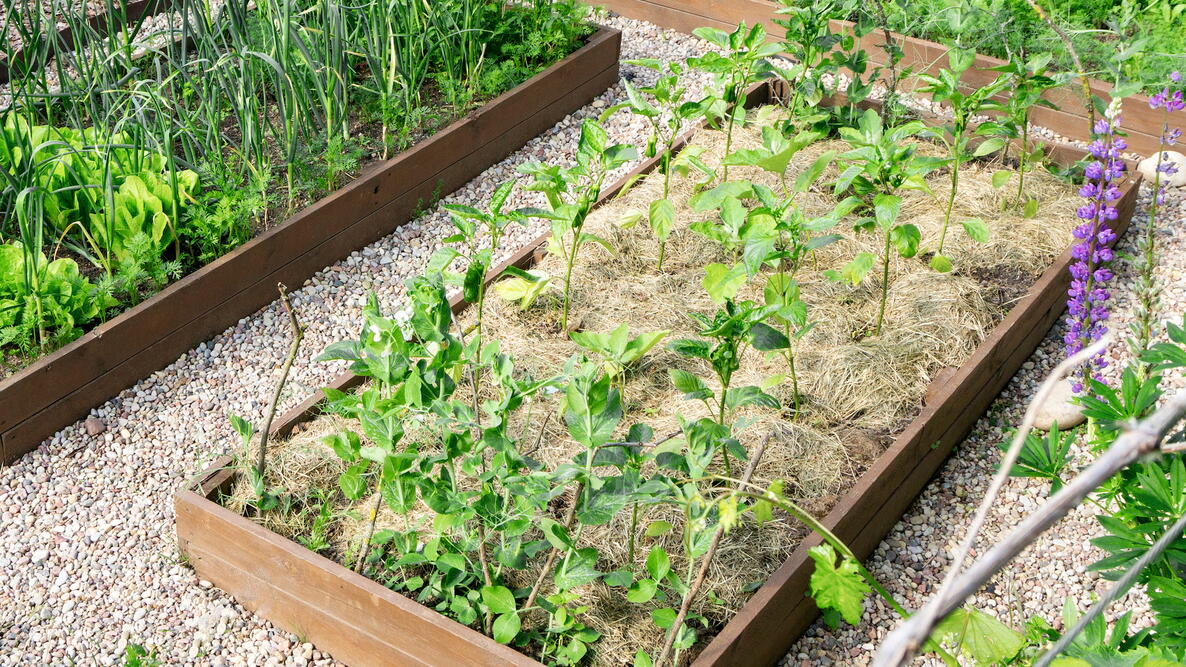
If you eliminate weeds in the first four weeks of growth, you stop them from stealing vital nutrients, water, and sunlight from your garden soil. The earlier you act, the less time you’ll spend battling weeds all season long.
The good news? You don’t need harsh chemicals to keep your garden under control. These natural weed control methods are safe, effective, and often improve your soil at the same time. Below, you’ll find a comparison chart to help you choose the best strategy for your garden — plus answers to common weed-control questions.
12 Natural Ways to Kill Weeds
Mulch Over Them
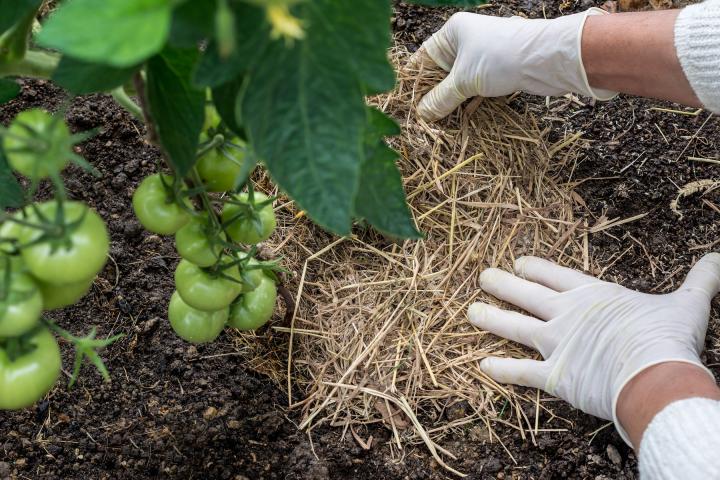
Use mulch (shredded leaves, brown cardboard, straw, or wood chips) to cover the soil around your plants! This covering blocks weed seeds from sunlight so they don’t germinate, inhibits growth underneath itself, and retains moisture. Mulch also provides needed nutrients as it decomposes over time and moderates soil temperatures.
- Cover the soil between your plants and along rows with a layer of mulch to prevent weeds from growing. We recommend a layer that’s at least one inch thick.
- Keep the mulch a few inches from the base of your plants to discourage insect invasions and prevent rot, too.
- While we use organic mulch such as straw, there are also inorganic mulches, including black plastic and landscaping fabric.
Note: If you use leaf blowers, many come with shredders that can turn yard debris into garden mulch fast, which saves you the costs of making or buying your own mulch. See our mulching guide and mulch calculator.
Exclude the Light
For persistent or numerous weeds, exclude light! Cover the soil with dampened newspaper (black ink only) or brown cardboard (with any tape removed). Then, cover that with 2 inches of straw or compost. This ensures that weeds don’t get the light they need to grow. Some persistent perennial weeds will still survive, but most will not grow through; hence, very little weeding is necessary. Plus, you’ll save on water and have happy worms and soil.
This works best, of course, when you are starting a new garden bed or a new garden space. Watch Janice Stillman, former editor of The Old Farmer’s Almanac, lay down a few layers of newspaper, wet it, add mulch on the edges, and dump compost on top of the newspaper bed! You’ll love having almost no weeds to contend with, and as a bonus, it helps build the soil. It couldn’t get any easier than this.
Pull or Dig Them Up
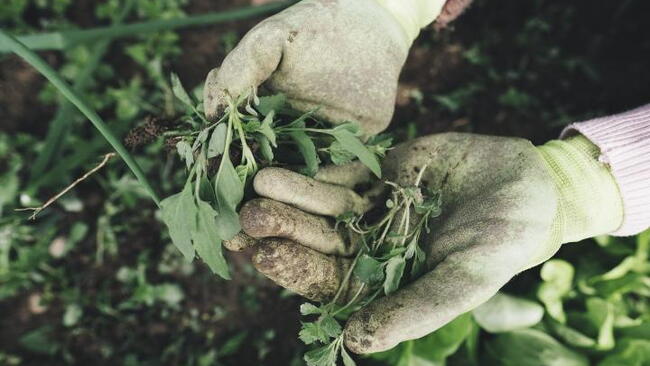
You’ll still need to pull out weeds during the season manually. It may not be your favorite chore, but it’s oddly therapeutic and almost meditative for some of us! Wear waterproof gloves and consider a comfortable kneeling pad or camp stool for extended weeding sessions.
- Weeds will slide out of the soil more easily when the soil is wet and the weeds are young.
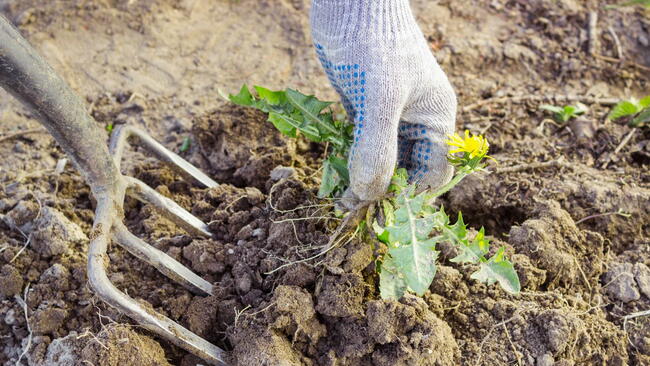
- The trick to pulling weeds is to get the root out as well, since many common weeds—like dandelions—will regrow from any roots left in the ground. Pull the weed from its base (close to the soil line) and twist gently to dislodge the roots. If you accidentally snap the roots off, try using a fork to gently pry the rest of the plant out of the ground, roots and all.
If your weeds regrow, then you have a persistent root that you need to dig out. Use a spade or digging fork to dig up persistent weeds by the roots. Remove as many root pieces as you can.
While weeding, try to hold the trowel vertically (like a child holding a crayon) to eliminate strain on your wrist.
Homemade Herbicide Sprays
While some folks turn to dangerous chemicals, many weeds are resistant to herbicides and respond better to different methods of control. See 5 natural “weed killers” to get rid of competing plants while still keeping people, pets, wildlife, and waterways safe.
Hoe Them Down
When weeds have really sprung into action, nothing beats a good old-fashioned garden hoe with a long handle. Hoeing is best done in the morning when the soil is dry. The weeds will cut cleanly from the soil, creating a “dust mulch,” which inhibits the germination of new weeds. You can let the weeds dry in the sun during the day and then take them to the compost heap.
Make quick work of gliding through and getting to hard-to-reach spots. It’s especially useful early in the season. Once a week, even if there aren’t many weeds, quickly go over the surface and keep the soil moving. Over time, there won’t be many weeds left.
Minimize Soil Disruption
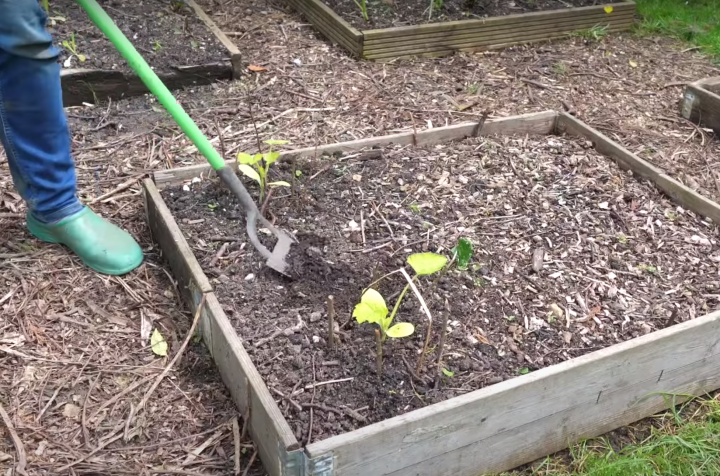
If you hoe, do not overturn the soil or dig down below the surface (no dig). We don’t want to expose the dormant weed seeds to light and air, which will only bring them back to the surface.
Some folks say it helps to weed at night! No kidding. Research indicates that weeds may be stimulated to grow by a sudden flash of light, which is what you give them when you turn the soil over during the day. A German study concluded that by turning the soil at night, weed germination could be reduced by as much as 78 percent! You can try this method by working under a full Moon, or at dawn or dusk.
Chop Off Their Heads!
If dealing with weeds is too much of a hassle, at least resolve to keep them from setting seed. Once a week, use a grass whip or string trimmer and cut off their heads before they flower.
Keep Your Garden Edges Trimmed
Have you ever noticed that many weeds collect at the edges of your yard or garden? Keep your grass and garden edges trimmed to reduce weed invasions in your fertile garden soil. The places to watch are not only the edges of your lawn but also around posts and fence lines and close to planting beds. Another idea is to grow perennials or ground roses that will shade those edges and make it easier for you!

Aerate Your Soil
Some types of weeds, especially those with deep roots, grow well because the soil is compacted. The plant’s roots aren’t getting the air, water, and nutrients they need, so the weeds start to take over. If you rent an aerator from your local home improvement store, you’ll be amazed at how providing annual aeration will reduce the amount of deep-rooted weeds.
Reduce Open Garden Space
If your soil is rich and drains well, plant your plants closer together. This will cut down weed growth. Start your warm-weather plants as soon as possible to keep the soil from being bare for too long. At the end of the season, plant cover crops such as ryegrass, winter wheat, or oats to prevent weeds from finding a home in your garden.
Avoid Watering Weeds
If you can water only the plants that need it, you may avoid cultivating weeds in unplanted areas, paths, and areas where they are not welcome—and where they would dry up if not watered!
Let Them Grow (Then Remove Them)
Encourage weeds to grow before you plant your garden. Lay sheets of clear plastic over your garden in early spring to warm the soil and encourage weeds to germinate. Once the weeds are several inches above the soil, pull or hoe them out. Then, plant your own crops.
Bonus: Edible Weeds You Can Use
Yes, some weeds—lamb’s quarters, amaranth, purslane, and others—are edible when young and tender! Instead of destroying them, consider cultivation!

Natural Weed Control Comparison Chart
| Method | Best For | Effort Level | Cost | Long-Term Prevention | Notes |
|---|---|---|---|---|---|
| Mulch (straw, wood chips) | Garden beds & rows | Low | Low–Medium | Excellent | Blocks sunlight & improves soil |
| Newspaper/Cardboard Layering | New beds | Low | Very Low | Excellent | Smothers weeds completely |
| Hand Pulling | Small areas | Medium | Free | Good | Best when soil is wet |
| Hoeing | Large areas | Medium | Low | Moderate | Most effective on young weeds |
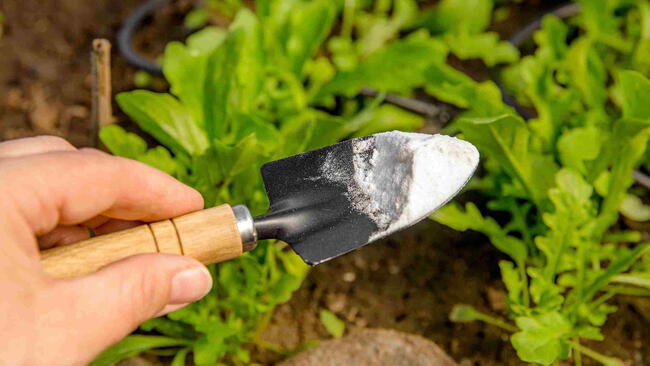
| Vinegar Spray | Spot treatment | Low | Low | Temporary | Kills tops, not deep roots |
| Cover Crops | Off-season beds | Low | Low | Excellent | Prevents erosion & weeds |
| Aerating Soil | Compacted soil | Medium | Medium | Moderate | Helps plants outcompete weeds |
| Close Plant Spacing | Vegetable gardens | Low | Free | Good | Reduces open soil space |
Best Cover Crops for Weed Prevention
Also, at the end of the season, after you harvest your veggies, plant cover crops like wheat, clover, and barley. They are beneficial plants that give back to the soil but keep weeds from growing and soil erosion from occurring. In some situations, you can use a cover crop in the shoulder seasons to block out weeds. See our list of cover crops.
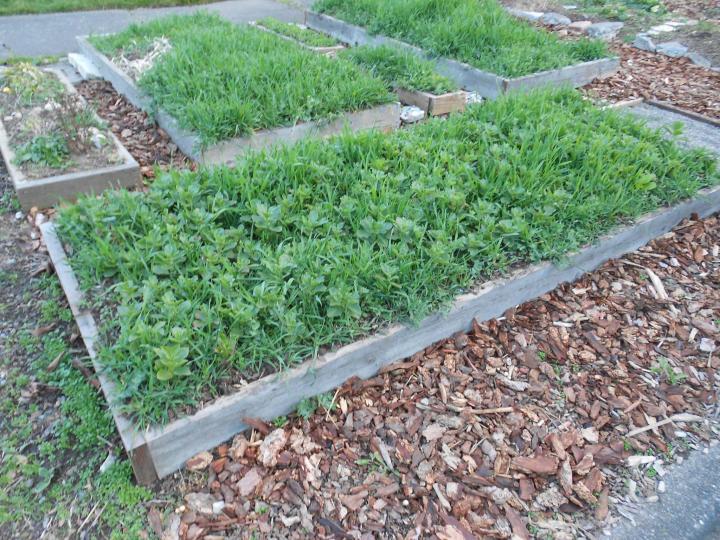
How to Identify Common Garden Weeds
Above all, knowing how to identify the most invasive and destructive weeds is key to keeping your garden defended from weeds. Check out our list of common weeds to help identify what’s growing in your garden and learn how best to get rid of it.
Here are a few common weeds and the best ways to remove them:
| Weed | Image | Treatment |
|---|---|---|
| Buckhorn Plantain |  | Dig out before it flowers. |
| Bull Thistle |  | Pull or cultivate out before it produces seeds. Be sure to wear gloves! |
| Common Burdock |  | Dig or pull out before it produces seeds. Be sure to get the whole root. |
| Field Bindweed (aka Wild Morning Glory) |  | Dig out before it flowers. |
| Lamb’s Quarter |  | Dig or cultivate out before it flowers. |
| Crabgrass |  | Pull or cultivate out before it seeds. |
| Pepperweed |  | Pull out before it seeds. |
| Purslane |  | Dig out and use it in the kitchen! |
| Quackgrass |  | Dig out to stop it from spreading and going to seed. |
| Redroot Pigweed |  | Pull it out before it flowers and produces seeds. |
| Stinging Nettle |  | Pull it out before it flowers and put it to good use! |
Expert Video: Easy Weeding
In this video, we demonstrate some weeding techniques and explain which methods work best for different types of weeds. We also discuss how to use mulches and weed barriers for future protection.
Frequently Asked Questions
What is the fastest way to kill weeds naturally?
For quick results, hoeing young weeds on a dry morning or using a vinegar spray for spot treatment works fastest. However, mulch provides longer-lasting prevention.
Does vinegar permanently kill weeds?
Vinegar burns the leaves but usually doesn’t kill deep roots. It works best on small, newly sprouted weeds and may require repeat applications.
How do I stop weeds from growing back?
Prevention is key. Apply mulch 1–2 inches thick, avoid disturbing the soil too much, and plant cover crops in the off-season to block weed growth.
Is mulch better than landscape fabric?
Organic mulch (like straw or wood chips) improves soil health as it decomposes. Landscape fabric blocks weeds but does not enrich the soil and can make planting more difficult over time.
When is the best time to remove weeds?
The earlier, the better. Remove weeds within their first four weeks of growth and always pull them before they flower and set seed.
Do you have any tried and true tips for weed removal? Tell us about them in the comments!

Getting Started
Planning For a Garden
Planting a Garden
Plant Growing and Care
Harvesting and Storing Vegetables
More Like This

Comments