Can acorns, bushy squirrel tails, and woolly bear caterpillars tell us what winter will bring? Winter weather folklore is filled with sayings passed down by generations living close to the land and nature.
Hunters, farmers, and fishermen looked to birds, animals, and plants for clues about approaching storms and the severity of the coming winter. These traditional signs are fun to observe—but treat them as folklore rather than dependable forecasts. Which ones do you know?
Plant Signs of a Hard Winter
From acorns underfoot to the skins on your onions, plants have long figured in sayings about winter weather. According to folklore, here’s what to watch for.
Acorns and walnuts: A heavy crop of acorns is said to mean a cold winter is coming. Similarly, a large crop of walnuts foretells a snowy, cold season, while thick nutshells supposedly predict a severe winter.

Berries: An abundant crop of berries is traditionally considered a sign of a cold, snowy winter.
Persimmon seeds: An age-old tradition looks to the shape inside a split persimmon seed for clues about winter. If it’s spoon-shaped, expect snow to shovel! See how to predict the weather with a persimmon seed.

Flowers: Flowers that bloom a second time in the fall or hold onto their blooms late in the season are said to forecast a colder winter.
Flowers bloomin’ in late Autumn,
A sure sign of a bad winter comin’.
Leaves: Early leaf fall supposedly signals a mild winter, while leaves that linger suggest a severe one. Another traditional sign of an extra-cold winter is leaves that wither on the branches in October instead of falling.
When leaves fall early, Fall and winter will be mild;
When leaves fall late, Winter will be severe.
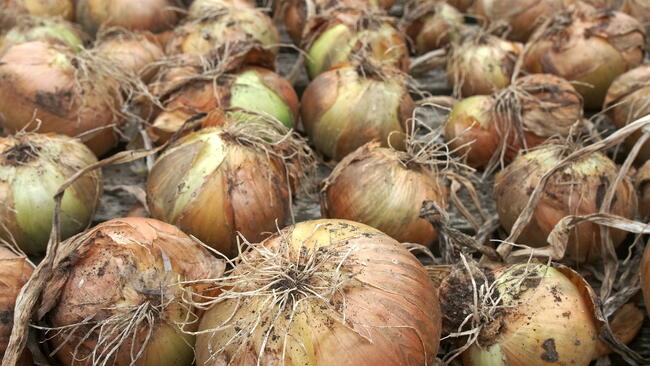
Onion skins: Thicker-than-usual onion skins are said to indicate a rough winter ahead.
Apple skins: Tougher, thicker apple skins also figure in folklore about a colder winter.
Corn husks: Corn husks that are thicker and tighter than usual supposedly signal a cold winter ahead.
Mushrooms: Even mushrooms have their own snowy forecast:
Mushrooms galore, much snow in store.
No mushrooms at all, no snow will fall.

Acorns… that fall heavily mean a cold winter is coming. Similarly, a large crop of walnuts means a snowy, cold season. Thick nutshells predict a severe winter.
Animal and Bird Signs of Winter Weather
Bushy tails, sturdy lodges, and early migrations have all been watched for hints of what winter might bring. Here are some traditional interpretations.
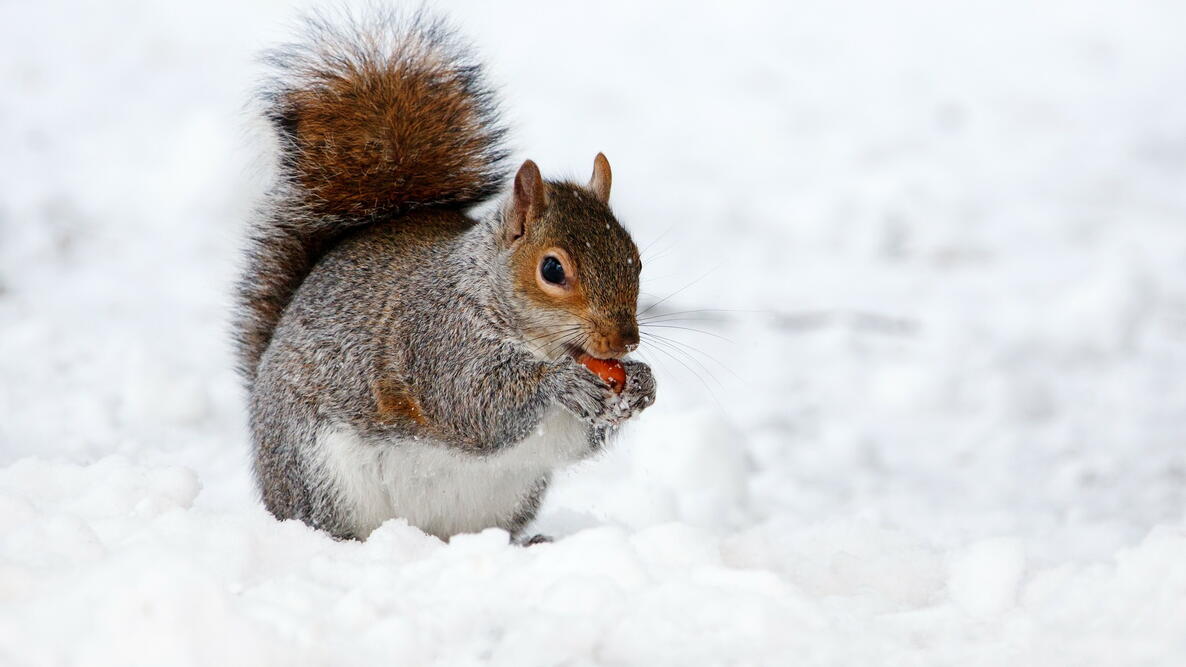
Squirrels: Very bushy tails in the fall are said to signal a colder winter. If squirrels stash their nuts high in the trees, the snow will supposedly be deep.
When squirrels early start to hoard,
Winter will pierce us like a sword.
Beavers: In weather folklore, a larger, stronger beaver lodge is taken as a sign of a harsher winter to come.
When you see a beaver carrying sticks in its mouth,
It will be a hard winter—you better go south.

Migrating birds: Birds that migrate early are said to signal a severe winter.
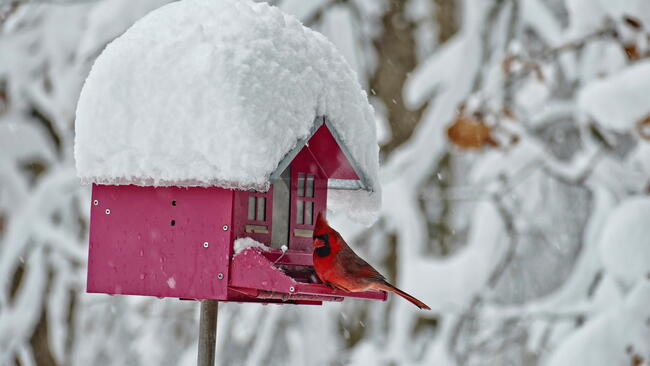
Robins: According to an old saying, robins seen near a house during the fall foretell a cold winter.
Wild turkeys: Turkeys that perch in trees and refuse to come down supposedly signal that snow is imminent. Unusually thick turkey feathers are another traditional sign of a hard winter.
Roosters and hens: Even the order in which chickens molt has inspired a winter weather rhyme:
If the rooster moults before the hen, we’ll have winter thick and thin.
If the hen moults before the cock, we’ll have winter hard as a rock.
See more about animals predicting the weather.

Insect Folklore About Winter
In traditional winter lore, nests, anthills, and caterpillar stripes all offer clues about cold and snow.
Bees: Bees nesting in a protected spot, such as inside a barn or shed, are said to signal a hard winter.
Hornets: According to folklore, as high as hornets build their nests, so will the snow be next winter.

Ants: An old saying links summer anthills to winter snowfall:
If ant hills are high in July,
Winter will be snowy.
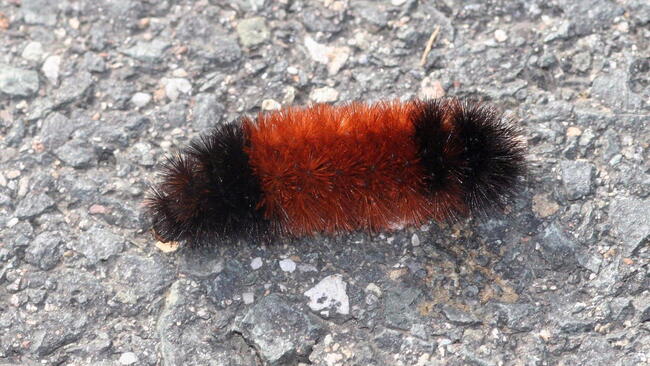
Woolly bear caterpillars: The woolly bear has long been a favorite of backyard weather predictors. According to folklore, the wider the brown band in the middle of the caterpillar, the milder the winter will be. A narrow brown band supposedly means a harsher winter.
Enjoy the tradition, but don’t let those stripes decide your winter preparations. The National Weather Service explains that woolly bear coloring reflects factors such as age and growth rather than the weather ahead. Read more about the woolly worm.

What Summer and Fall Weather Say About Winter
Some sayings look beyond plants and animals, connecting the weather of one season with conditions months later.
How One Month Affects Another
- If a cold August follows a hot July, It foretells a winter hard and dry.
- For every fog in August, There will be a snowfall in winter.
- If the first week in August is unusually warm, The coming winter will be snowy and long.
- A warm October, a cold February.
Another familiar saying observes that winter’s cold can deepen even after daylight begins to increase:
- As the days lengthen, the cold strengthens.
Thunder and Winter Weather
Thunder has its own place in weather folklore:
- Thunder in the fall is said to foretell a cold winter.
- Thunder in winter supposedly means it will snow 7 days later.
Like the other sayings collected here, these are traditional predictions to observe for fun.
First Snowfall Folklore
Can the date of the first snowfall tell you how many snowstorms lie ahead? Several old sayings suggest it can—although they offer different ways of counting.
- The calendar date: The date of the first snowflakes supposedly tells how many more times it will snow. If the first snow falls on the 12th of the month, for example, expect 12 more storms before winter is done.
- The days until Christmas: Another version uses the number of days between the first snowfall and Christmas to predict the number of snowfalls that winter.
- The date and the Moon: A third version adds the date of the first snowfall to the number of days since the new Moon to predict how many times it will snow.
These variations are part of the charm of weather folklore, even when they don’t agree!
Can Nature Really Predict Winter Weather?
These sayings preserve generations of observations and traditions, but they should not be treated as dependable forecasts. The woolly bear is a good example: its familiar stripes tell us about the caterpillar’s development rather than the severity of the coming winter.
That doesn’t take away the pleasure of noticing a squirrel’s bushy tail, a tree laden with berries, or the first snowflakes of the season. Weather folklore gives us another reason to look closely at the natural world—and see how the old sayings compare with what actually happens.
See the Almanac’s Winter Weather Forecast
How could we not include The Old Farmer’s Almanac itself? See what’s ahead in the Almanac winter forecast.
Which winter weather sayings did you grow up hearing? Share your family’s folklore—and tell us whether it has held true where you live.
More Like This
I agree Kathy. Mother Nature has a lot to teach us if we just take the time to listen!

Comments