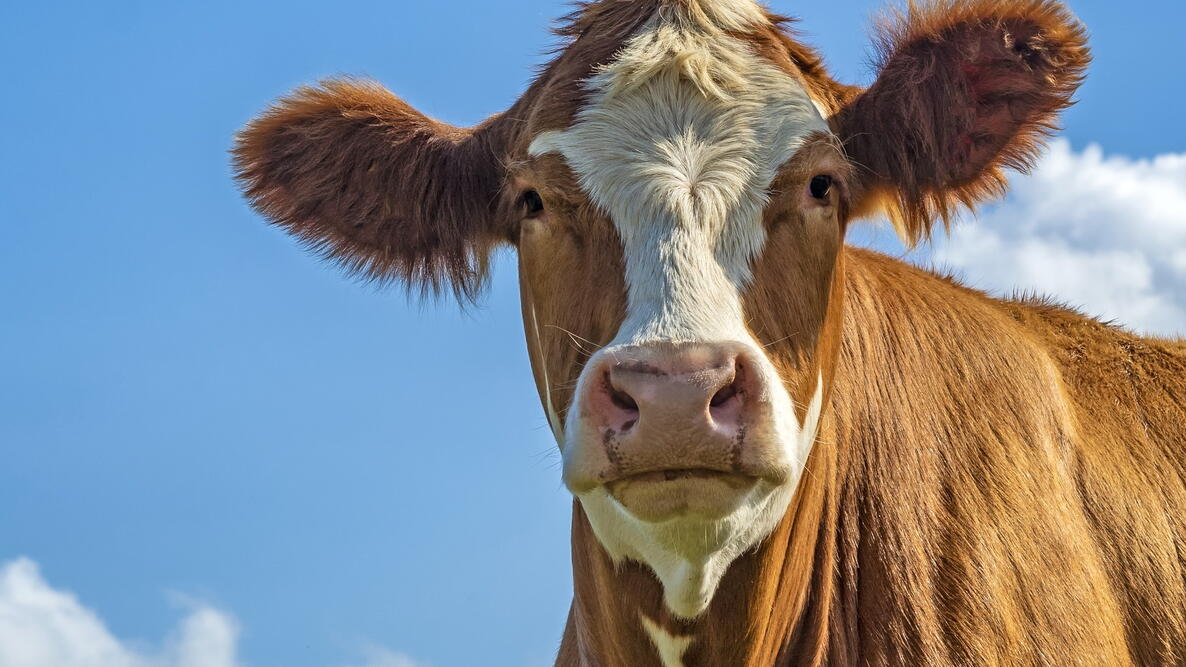
Can animals predict the weather? Do squirrels know when a storm is coming? Do cows lie down before rain? Can ladybugs predict how cold the weather will be? Observe animals, and you’ll see that they, too, have their own ways of predicting the weather. Enjoy fun folklore about animal forecasters!
Can Cows Forecast Weather?
Perhaps the greatest amount of weather folklore surrounds cows.
One saying is “When cattle lie down in the pasture, it indicates rain is on the way.” Cows, like many animals, are affected by changes in air pressure. They become restless when stormy weather approaches and may lie down in a dry spot. (Of course, cows also lie down for a number of other reasons!)
But how about this folklore?
- If a cow stands with its tail to the west, the weather is said to be fair. If a cow grazes with its tail to the east, the weather is likely to turn sour.
There is some truth here. Animals graze with their tail toward the wind so that if a predator sneaks up behind them, the wind will help catch the scent of the predator and prevent an attack.
Many animals are affected by changes in air pressure—including us humans! Here are some more proverbs to ponder:
- Expect rain when dogs eat grass, oxen sniff the air, and swine are restless.
- If the bull leads the cows to pasture, expect rain; if the cows precede the bull, the weather will be uncertain.
- When hungry bites the thirsty flea, rain and clouds you sure shall see.
- When horses and cattle stretch out their necks and sniff the air, it will rain.
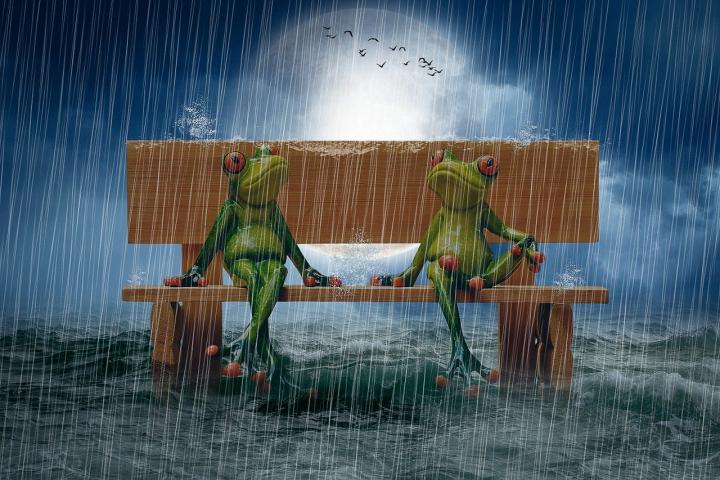
Frogs Croak Loudly When It’s About to Rain
Ever heard that “frogs croak loudly when it’s about to rain”? It’s true! Why? Frogs croak loudly to mate, and they are more successful following a good rain. This is because the eggs are laid in bodies of water (freshwater). The male frogs will start croaking with more gusto before a rain.
Think of it as setting the mood for the ladies. And for humans, it is a cue to grab your umbrella!
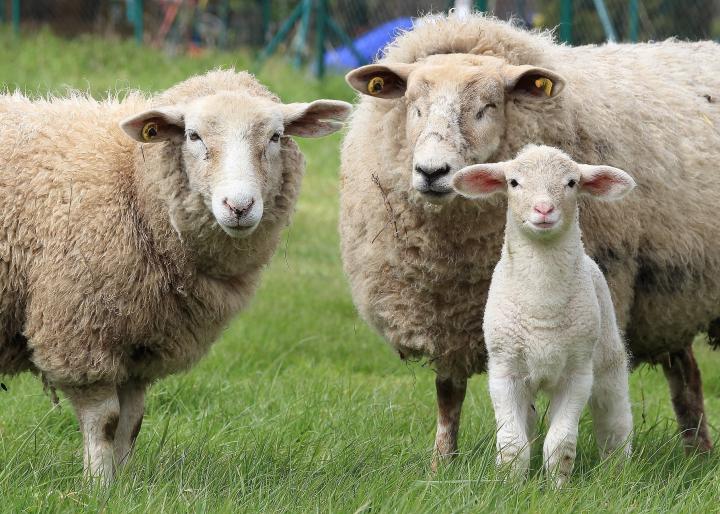
Sheep Huddle Up Before Rain or Snow
As with cows, sheep are the subject of much forecasting folklore. One proverb states, ”When sheep turn into the wind, expect rain.”
Another says, “If sheep ascend hills and scatter, expect clear weather.”
Conversely, if sheep huddle up in a tight group, expect rain or snow. Frankly, if you had warm and woolly friends, wouldn’t you huddle up, too?
Spiders, Caterpillars, and Ladybugs Predict Cold Weather
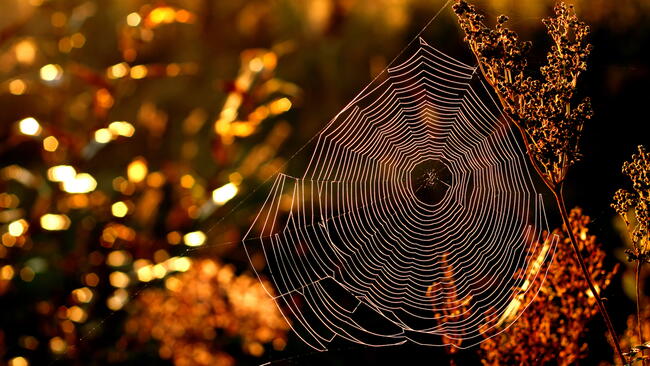
- Spider webs in your basement or house says cold weather is coming and time to seek shelter! (Don’t kill basement spiders if they’re staying to themselves; they are helpful and eat other pests!)
- Ladybugs can also help predict cold weather. If you spot these spotted bugs, they’re also seeking shelter. There’s a chance that winter is on its way!
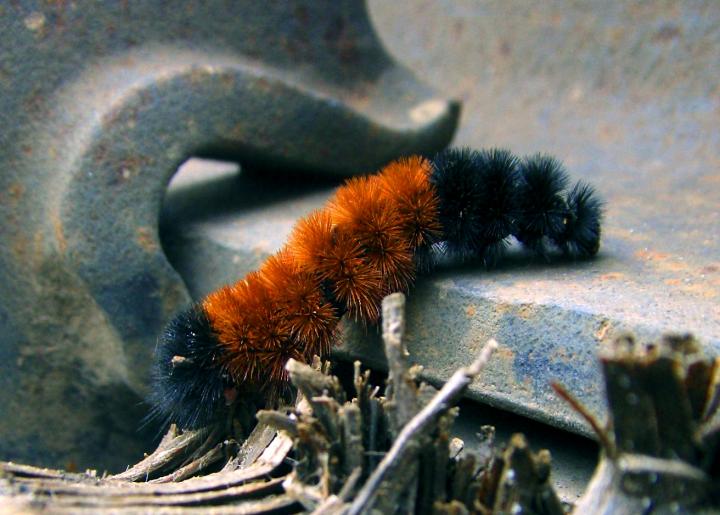
- Woolly bear caterpillars are famous for being winter weather predictors: The more brown they have on their bodies, the milder winter will be. Read more about woolly bears!
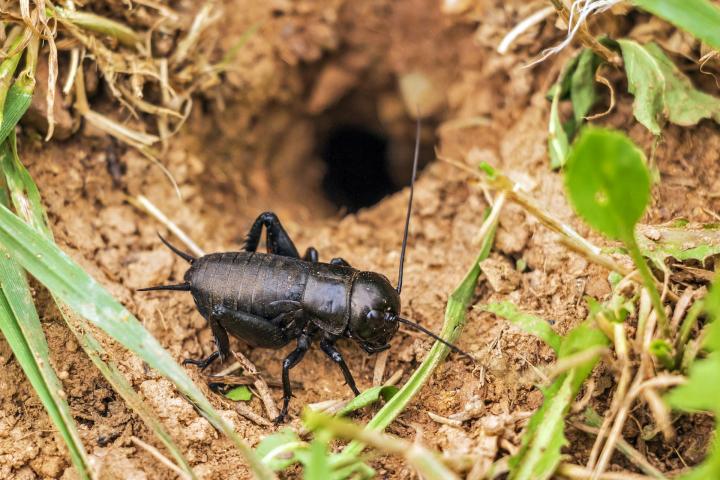
Crickets Tell the Temperature
We all know the evening sound of a cricket. Did you know the number of cricket chirps report the temperature? No kidding! Just count the number of times a cricket chirps in 14 seconds and add 40 to that number. The total is the temperature in Fahrenheit. Take a few measurements and then use the average to determine the temperature. See more about cricket temperature.
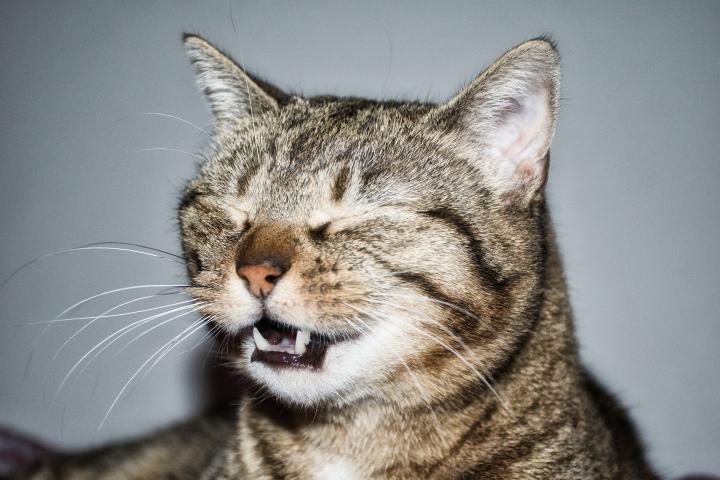
When Cats Sneeze, Rain’s On Its Way
We all know that our feline friends seem to have extra-sensory abilities (at least, the cats think so). But is there any truth to this? A book commissioned by the American War Department, “Weather Proverbs,” in 1883, stated that cats had many ways to predict weather. Here are two age-old proverbs:
When cats purr and wash, rain’s on the way.
Also: When cats sneeze, it’s a sign of rain.
We find that our cats sneeze for a number of reasons. But it certainly could be true. Just don’t expect your cat to let you in on the mystery!
When Birds Fly Low, Bad Weather’s Coming
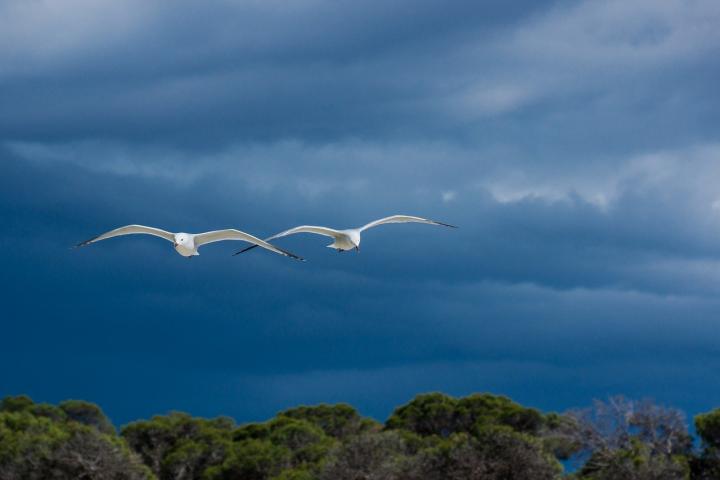
Birds may be the best weather predictors of them all. Birds tend to fly low when a storm is coming and higher in good weather, due to changes in air pressure.
In fact, birds seem to know when to evacuate an area before storms and bad weather arrive. Studies hypothesize that the birds hear infrasound (a low-frequency noise) coming from an approaching storm system before it’s visible. This capability also helps birds’ determine migration patterns because they can identify weather patterns in advance.
See more about birds predicting weather.
More Animal Forecasters and Folklore
- Bats flying late in the evening indicate fair weather.
- Wolves always howl more before a storm.
- If the mole digs its hole 2½ feet deep, expect severe weather; if two feet deep, not so severe; if one foot deep, a mild winter.
- When pigs gather leaves and straw in fall, expect a cold winter.
- When rabbits are fat in October and November, expect a long, cold winter.
Enjoy winter weather lore and observing nature’s signs!
Did we miss any animal weather proverbs? Please share proverbs that you’ve heard in the comments below!

More Like This

Thanks for sharing. We just released our long-range winter forecast and you are correct. It will be a colder-than-average winter for most of North America. You can learn more and find the new 2015 edition of The Old Farmer's Almanac here: http://www.almanac.com/product/buy-2015-old-farmers-almanac
- « Previous
- 1
- 2
- …
- 10
- Next »

Comments