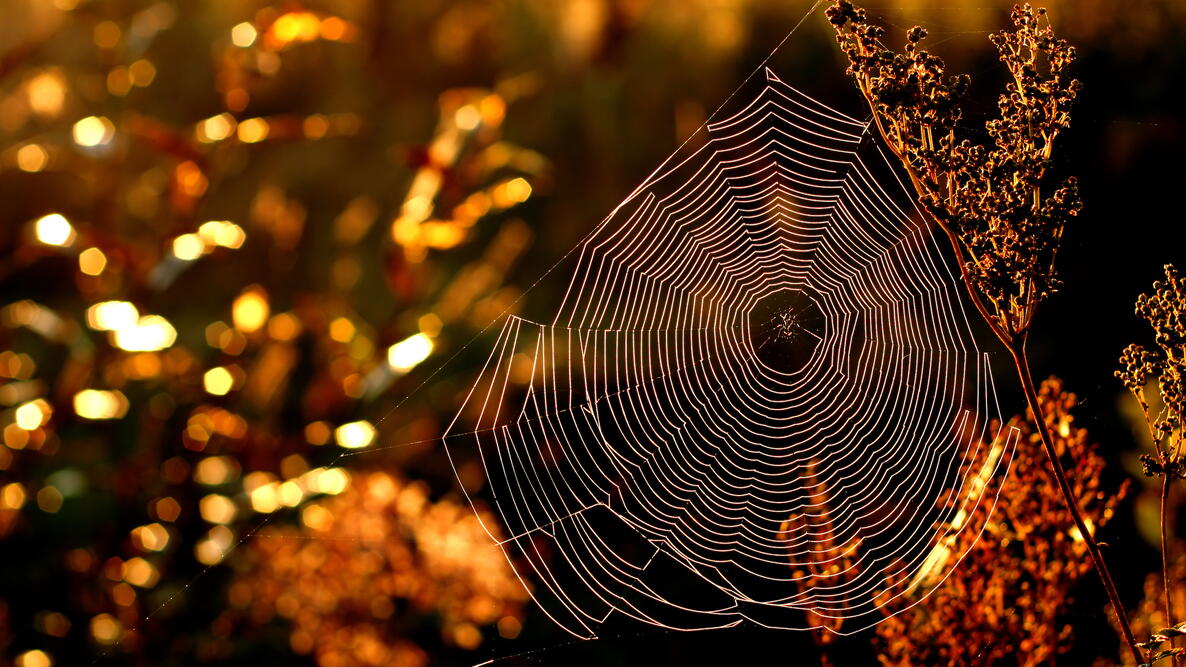
Ever wondered if the creepy crawlies around your garden know more about tomorrow’s weather than your local forecast? From ants to spiders to woolly bear caterpillars, nature has its own weather predictors. Here’s a look at the insect and spider folklore that’s been used for centuries to anticipate rain, frost, and sunny days.
Is there some truth to it? You decide!
Insect Weather Folklore
Observe ants, bees, crickets, hornets, houseflies, and other insects. Their activity tells us whether the weather will be cold, warm, windy, or fair!
- See how high the hornet’s nest, ‘twill tell how high the snow will rest.
- If anthills are high in July, the coming winter will be hard.
- When cicadas are heard, dry weather will follow, and frost will come in 6 weeks.
- If ants their walls do frequently build, rain will from the clouds be spilled.
- When bees to distance wing their flight, days are warm and skies are bright; But when their flight ends near their home, stormy weather is sure to come.
- Flies gather in houses just before the rain.
- The early arrival of crickets on the hearth means an early winter.
- The more quickly crickets chirp, the warmer the temperature.
Read more about gathering weather information from cricket chirps!

Spider Folklore
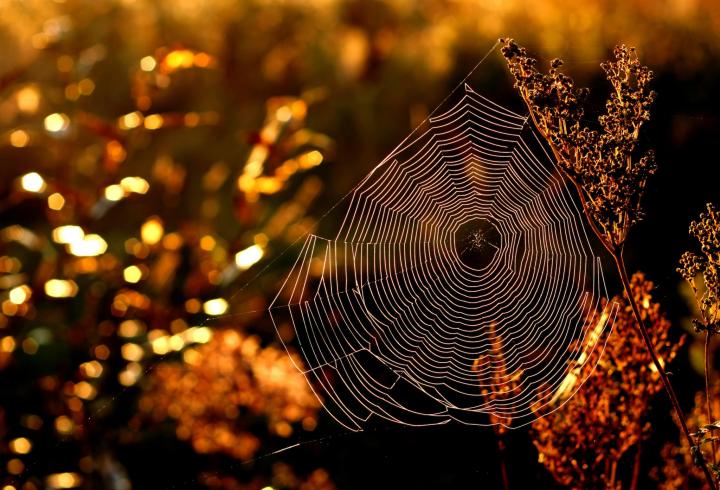
Of course, spiders are arachnids, not insects, but we include these creepy crawlies here! Can spiders predict winter weather? What do you think?
Observe spiders and their webs closely to gauge the weather:
- Spiders spinning larger-than-usual webs is a sign of a cold winter to come.
- When spiders’ webs in air do fly, the spell will soon be very dry.
- When spiderwebs are wet with dew that soon dries, expect a fine day.
- Spiderwebs floating at autumn sunset; bring a night frost, on this you may bet.
- Spiders move down from their webs before rain.
The Woolly Worms’ Bands
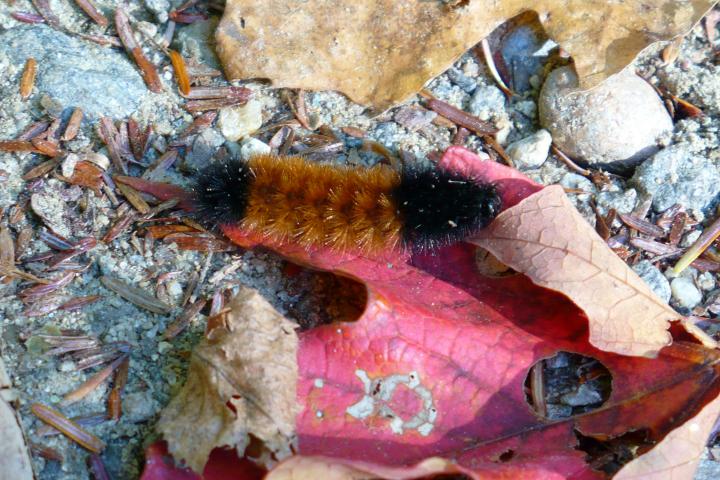
Many of you may have heard of the woolly bear caterpillar’s ability to forecast winter weather. These caterpillars (also called woolly worms) have black and brown bands; according to folklore, more black than brown indicates a harsh, cold winter, while more brown than black points to a mild winter. Read more about woolly worms as meteorologists!
Reptiles & Amphibians
Observe reptiles and amphibians as weather predictors too!
- The louder the frogs, the more the rain.
- Frogs singing in the evening indicates fair weather the next day.
- Hang up a snakeskin, and it will bring rain.
More Weather Folklore
Other animals predict the weather too! See how birds predict the weather. See how other mammals predict the weather.
Even onion skins predict the weather! See signs of a bad winter, according to lore.
Did we miss any? Share your favorite proverbs and sayings below!



Comments