For daily wit & wisdom, get the Almanac newsletter.

How to Plant and Grow Arborvitae Trees

Image Credit:
rlat/Getty Images
Botanical Name
Thuja occidentalis
Grown as
USDA Zones
Toxicity
Sun Exposure
Water Needs
Height
Spread
Soil pH
Plant Type
Written By: Catherine Boeckmann Executive Digital Editor and Master Gardener

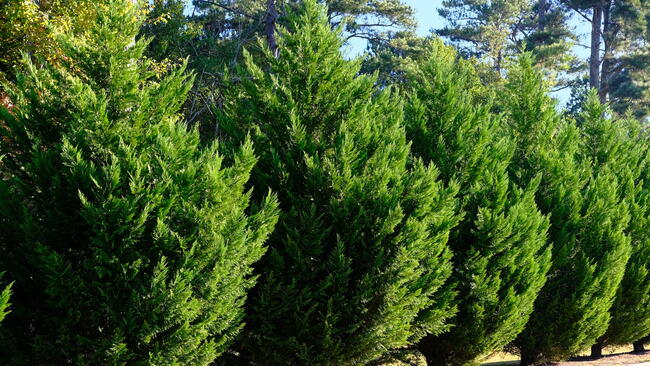
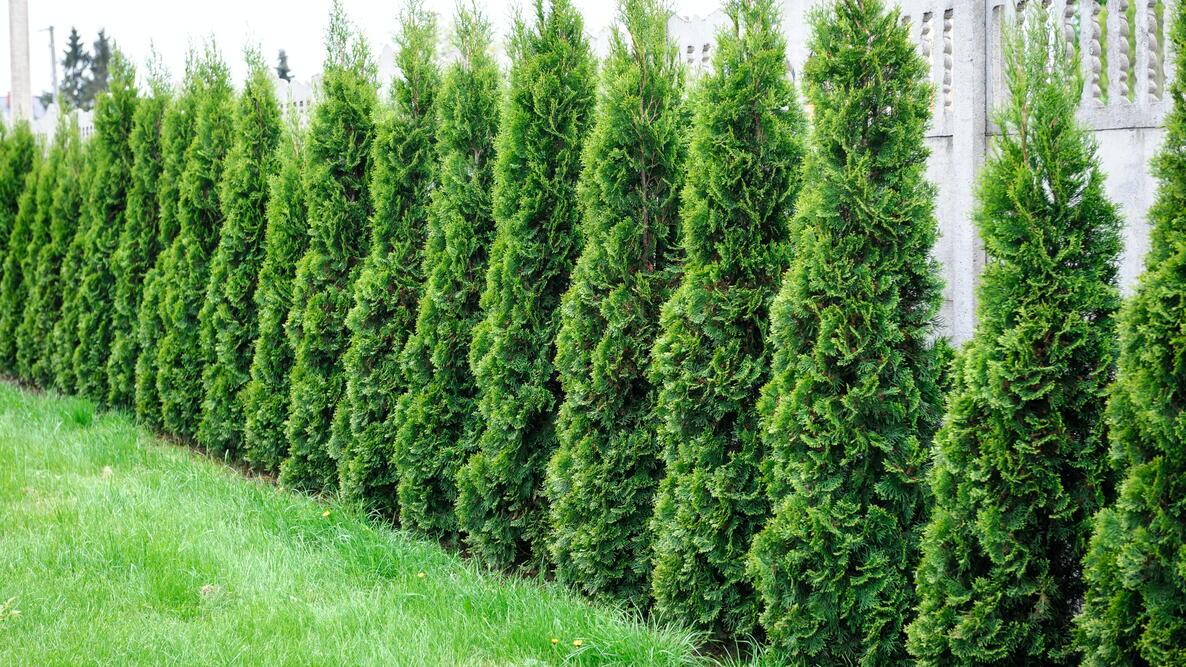
If you’re looking for ways to breathe new life into your landscaping and add a bit more privacy to your outdoor space, look no further than arborvitae. Also known as the “tree of life,” arborvitae are rugged plant picks for hedgerows and live fencing, but they make fantastic potted, topiary, and specimen plants too. In this guide, we’ll teach you how to plant, prune, and tend arborvitae in any space, and share tips and tricks to keep your new plantings in tiptop shape!

Planting

When to Plant Arborvitae

Arborvitae need time to settle into gardens before hot summer or cold winter weather sets in. For best results, plant them as soon as the soil can be worked in early spring or in the fall several weeks before the ground freezes.

Where to Plant Arborvitae

Full sun to partial shade locations that receive at least 6 hours of light per day are best. If those locations have rich, well-draining soil that stays consistently moist but not soggy, even better. I find that arborvitae are quite thirsty plants and growing them in locations that can be easily waterred makes plant care so much simpler!

Although arborvitae grow slowly, some varieties can reach up to 60 feet in height, so it’s important to select growing locations where new plantings won’t “get into trouble” with powerlines or nearby plants. 

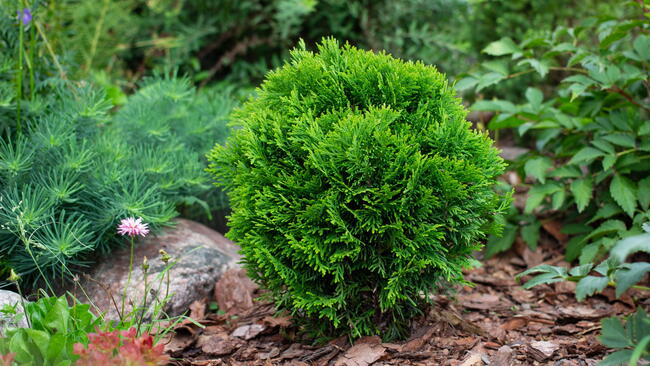
If you’re growing arborvitae in pots, choose containers that are at least 2 to 3-gallons in size for dwarf varieties, or 20 to 30-gallons in size for taller plants.

How to Plant Arborvitae

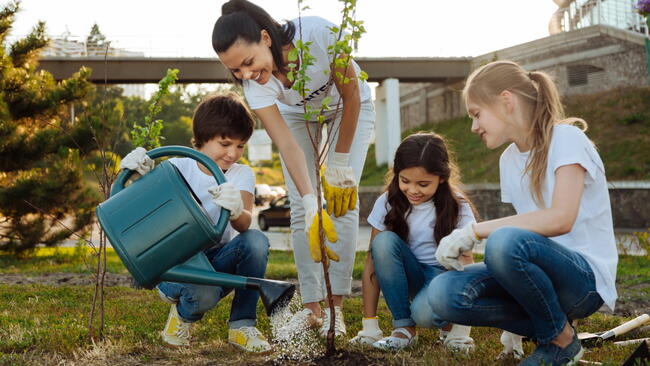
Before planting, dig a planting hole that’s about twice as wide as the plant’s root ball and just a little deeper. Then, blend compost or aged manure into the excavated soil to give your new plants a little fuel for future growth.

To plant, carefully remove your arborvitae from its nursery container and gently loosen any encircling roots with your fingers. I’ll sometimes use a small handrack or hori-hori to do this. This done, plant the arborvitae so that the top of the root ball is level with the soil line, backfill the hole with soil, and firm the soil around the base of your plant. 

After planting, deeply water your arborvitae and add a 2-inch layer of wood mulch or pine straw around its base. Make sure to keep the mulch line at least a few inches away from the trunk to avoid issues like rot.

Growing

Watering

Arborvitae can turn brown if they don’t get enough water. To avoid this, water new plantings regularly and keep the soil consistently moist during the plant’s first growing season — arborvitae may need to be watered every 2 to 3 days in their first summer. Once plants are established, you’ll only need to water during periods of prolonged drought.

As with other containerized plants, potted arborvitae will need more frequent watering than plants in the garden. I check mine every day or two in summer and water when the top 2-inches of soil feels dry to the touch.

Fertilizing 

Some plants crave lots of fertilizer, but arborvitae tend to be relatively undemanding in this regard. I simply side-dress my plants with compost once a year in spring. You can also feed them annually with a balanced organic or evergreen-specific fertilizer if that’s easier for you.

Pruning or Maintenance

Newly planted arborvitae can be supported with stakes if needed to reduce the risk of wind damage. As far as pruning goes, arborvitae don’t require much of it for healthy growth; however, you’ll need to prune your plants more aggressively if you’re using them for topiaries or formal hedge rows. 

When pruning, use hedge shears that are good and sharp and prune in early spring before new growth emerges. As you work, move from the bottom of the plant upwards and shorten the branches that need it with a good, crisp cut. 

Dead, damaged, or diseased branches can be pruned away at any time of the year.

Seasonal Care

Arborvitae plants can be sensitive to cold and salt exposure — especially during their first year or two of growth. Wrapping plants with burlap during their first few winters can help avoid browning branches and prevent branch breaks from heavy snowloads too. If your arborvitae are planted near roadways that are often treated with road salt, you may want to add a burlap barrier or other windbreak to reduce salt exposure as well.

Adding mulch around the base of arborvitae can help prevent cold damage, but potted plants will need more winter protection. For these plants, either move pots into a protected area, such as a garage, or insulate the plant pots by burying them in the soil or encasing them in blankets, bubblewrap, or mulch.

If your arborvitae are exposed to a lot of road salt in winter, water the plants deeply in spring to help the excess salt wash away.

Harvesting

When to Harvest

If you want to gather fresh arborvitae branches for holiday decor, do it when the weather is cool and just before you intend to decorate. Select branches from established plants only and avoid harvesting from newly planted arborvitae.

How to Harvest

To harvest arborvitae branches, use sharp sterilized pruners to clip away the branches you’d like to harvest from the interior or lower sections of the plant. Select branches carefully so that you harvest only from unseen areas and don’t impact the overall look of your arborvitae. Don’t cut into bare wood stems as these areas may not regrow if you do.

Storage

After harvesting, place arborvitae stems in water overnight before using them to form garlands or wreaths. You can expect fresh arborvitae to last about 2 to 3 weeks, but branches can last even longer if they’re kept cool outdoors.

Pests and Problems

Common Problems

  • Browning branches are a common issue with arborvitae and can occur if plants are underwatered, exposed to road salt, or develop winter burn from harsh winds and frigid temperatures. Watering regularly, growing plants away from salty areas, and protecting newly planted aborvitae with burlap or other barriers can help you prevent branch browning.
  • Heavy snow loads can weigh arborvitae branches down and potentially cause them to break. Burlap wrappings can prevent this issue, but you can also reduce the risk of broken branches by knocking heavy snow off your arborvitaes as soon as possible.

Common Pests

  • Spider mites are sap-sucking pests that weave spider-like webs over infected plants and cause leaves and needles to look dry and sickly. These pests usually target plants that are already stressed and can be managed with organic insecticidal soap sprays.
  • Deer are particularly fond of arborvitae and often munch on branches during winter. Fencing plants off is your best line of defense, but you can also avoid deer damage by using deterrent sprays and wildlife-safe scares, or by growing arborvitae cultivars that are less appealing to deer, like ‘Green Giant.’

Plant diseases

  • Needle blight is a fungal issue that turns arborvitae needles yellow and then black. This usually occurs due to poor airflow or environmental stress and can often be avoided by spacing arborvitae out properly and ensuring plants are grown in locations that suit their needs.
  • Botrytis twig blight is another fungal problem that causes needles to turn reddish, but may also result in visible mold. As with needle blight, proper spacing and care can reduce the risk of this problem while active issues can be managed by pruning away damaged areas.

Wit and Wisdom

  • The name arborvitae is the Latin form of the French l’arbre de vie, which means “tree of life.” This name derived from the fact that arborvitae needles contain loads of vitamin C and were commonly used as a natural remedy by indigenous communities and early settlers.
  • The genus name, Thuja, is from a Greek word for perfume.
  • The oldest living arborvitae is over 1,000 years old.

About The Author

Catherine Boeckmann

Catherine Boeckmann

Executive Digital Editor and Master Gardener

Catherine Boeckmann is the Executive Digital Editor of Almanac.com, the digital home of The Old Farmer’s Almanac. She leads digital editorial strategy and publishing across a wide range of Almanac sub...

Read more from Catherine Boeckmann