
Planting
When to Plant Aloe Vera
Indoor aloe plants can technically be planted in any season, but they settle in best when they’re planted during their active growth stage in spring.
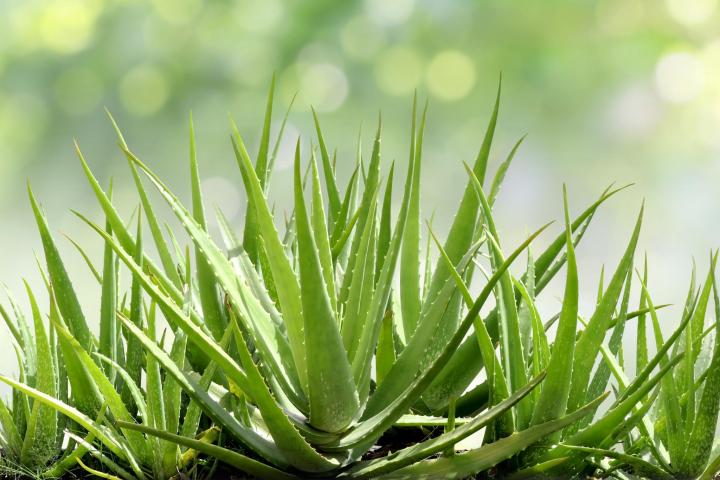
Where to Plant Aloe Vera
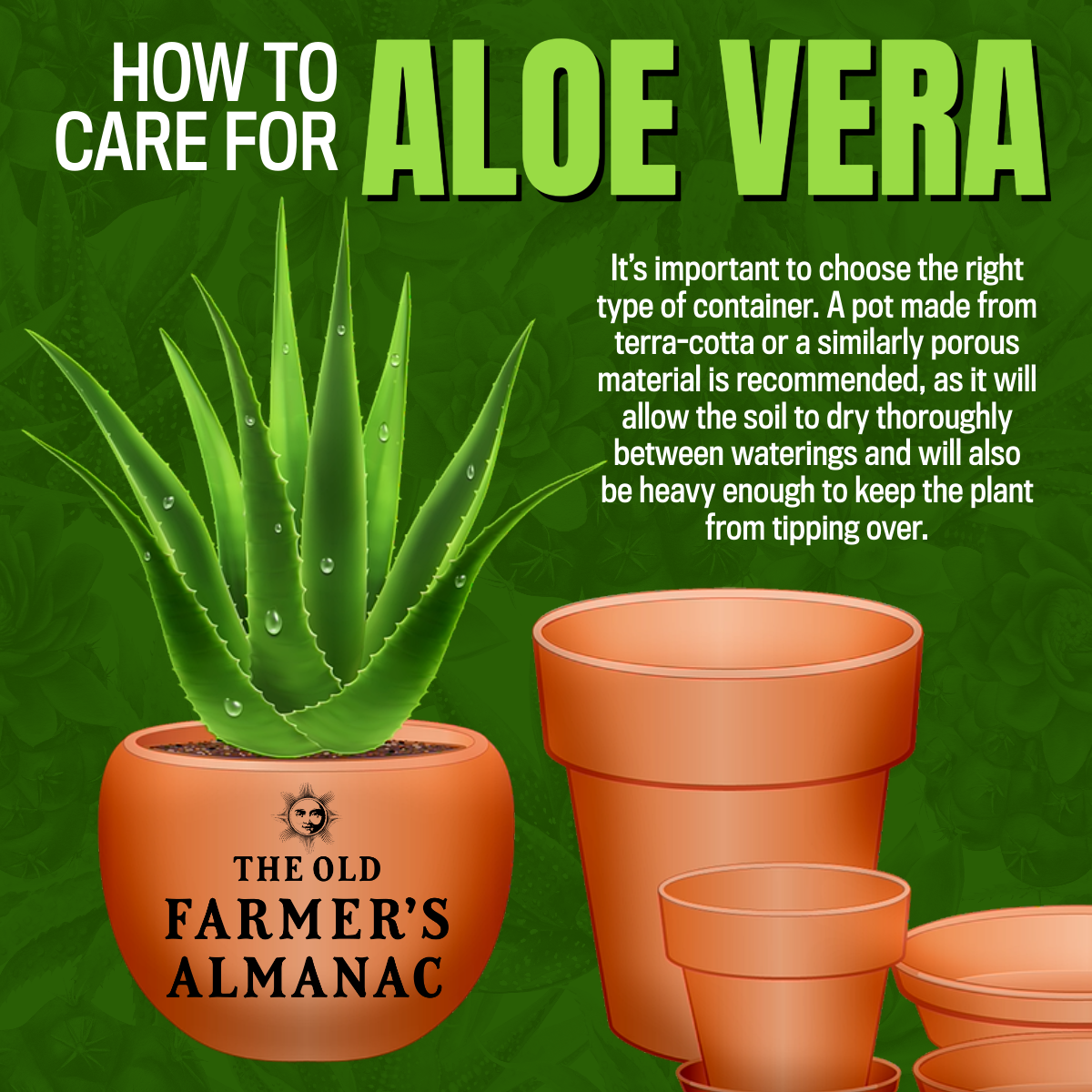
Aloes thrive in terracotta pots, which dry out faster than plastic ones and can ward against root rot. These pots are also on the heavy side, which can help prevent top-heavy aloes from accidentally toppling over.
Before settling on a pot, make sure any container you choose has drainage holes in the base and that containers allow excess water to flow freely away from plant roots. Aloes don’t have extensive root systems and containers that are just 1 to 2-inches wider than the plant’s root ball are ideal. Small aloes will grow just fine in 4 to 6-inch pots, but containers may need to be scaled up as your plants grow.
If you’re growing aloes outdoors in cold areas, keep them in pots that can be overwintered inside. In warmer climates, aloes can be planted directly in the garden in locations that receive at least 4 to 6 hours of bright, indirect sun, but are lightly shaded during the hottest part of the day. Soils should always be well-draining and slightly sandy to prevent overwatering.
How to Plant Aloes Vera
Like most other succulents, aloes don’t need much water and potted plants grow best in potting mixes intended for succulents and cacti. If you want to make your own, blend together 2 parts standard potting mix, 1 part perlite or pumice, and 1 part grit or horticultural sand. Then, follow these tips to get your aloe planted!
- Carefully remove your aloe plant from its nursery pot while supporting the leaves with your free hand to avoid accidental breaks. If the pot is difficult to dislodge, run a butterknife around the rim to loosen the soil.
- Add several inches of a suitable potting mix to the base of the new growing container and gently remove some of the leftover soil from your plant’s roots. Take care to handle the roots gently to prevent damage.
- Locate the plant in the pot at approximately the same depth it was growing in its nursery container, fill in around and cover the plant’s roots with potting soil, and firm the soil in place with your fingers. If the plant has an exposed bare stem, bury the plant deep enough so the bare stem is covered and the soil line rests neatly below the plant’s lowest set of leaves.
- Water your aloe in, move it to a brightly lit spot, and watering sparingly going forward.
Harvesting
When to Harvest
Aloe gel should only be harvested from mature aloe plants that are at least 2 to 3 years old. Aloe leaves will have more harvestable gel if you pick them several days after watering your plants well.
How to Harvest
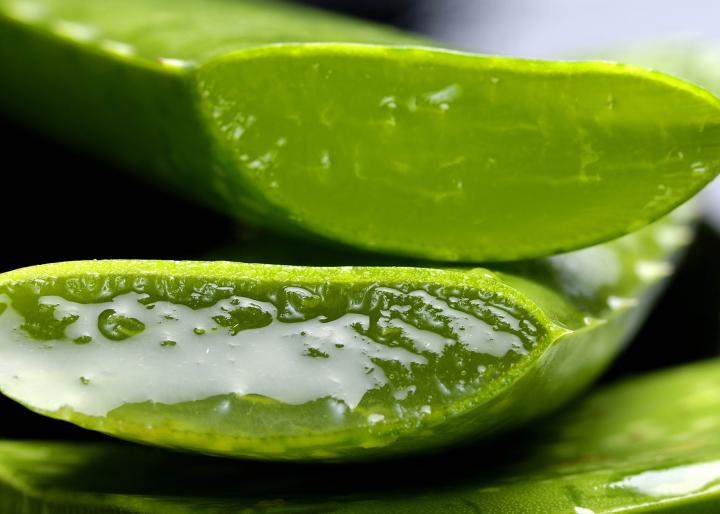
Select a healthy, plump outer aloe leaf and use a sharp sterilized knife to cut the leaf off at the base of the plant. Then, place the leaf upright in a cup with the cut end facing down, leave it in place for about 15 minutes, and rinse and dry the leaf well. This process allows the natural latex in aloe leaves, which can be a skin irritant, to drain away.
Place the drained leaf on a cutting board and use a sharp knife to trim away the leaf’s thorny edges. Then, cut the white base and pointed tip of the leaf off too. This done, lay the leaf down flat on your cutting surface and slice off the top and bottom green skin from the leaf as if you were filleting a fish, or use a spoon to scoop the gel out.
Finish up by rinishing the gel with clean water.
Storage
Fresh aloe gel can be stored in the fridge in an airtight container for about one week. For longer storage, pop the aloe gel in ice cube trays, freeze it, and store in a freezer-proof container for up to 6 months. If you prefer a smoother texture, blend the aloe gel in a blender before you do.
Types
Aloe vera is known as the “true aloe,” and it’s the aloe you want if you plan to use aloe gel to treat sunburns and more. However, the aloe genus is a big one with over 500 species of distinct aloe plants. If you love aloe vera, here are a few more attractive and easy-care aloe varieties you may want to try!
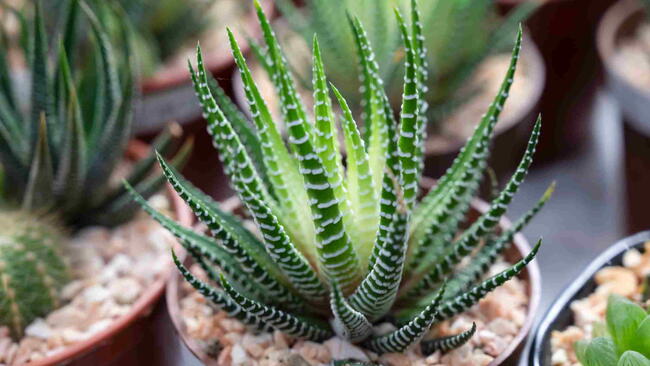
- Aloe variegata Tiger or Partridge-Breasted Aloe: This compact aloe is characterized by short, smooth leaves that feature uneven white striping.
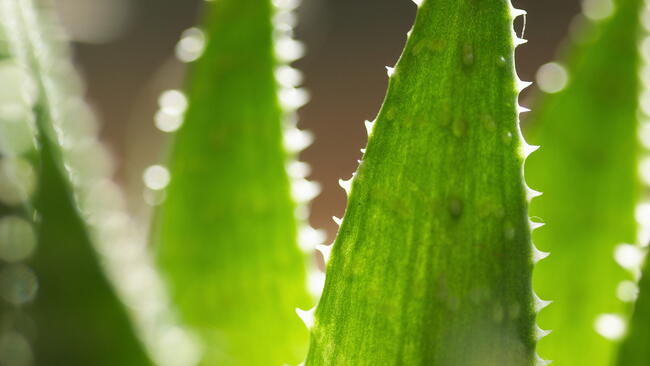
- A. aristata Lace Aloe: This small aloe variety is noted for its white-spotted leaves with finely saw-toothed margins.
- A. glauca Blue Aloe: A larger aloe species, the blue aloe lives up to its name thanks to its gorgeous silvery-blue leaves.

More Like This

Hi, John. There are edible types of aloe vera but caution is advised. Side effects can be severe if too much is consumed. To explore the plant's health benefits, you may want to try aloe vera juice, sold at many health food stores.
Hi Donna,
As far as we can tell, the presence of a jade plant with your aloe plant should not affect your ability to use it for medicinal purposes.
- « Previous
- 1
- 2
- …
- 10
- Next »

Comments