Caption
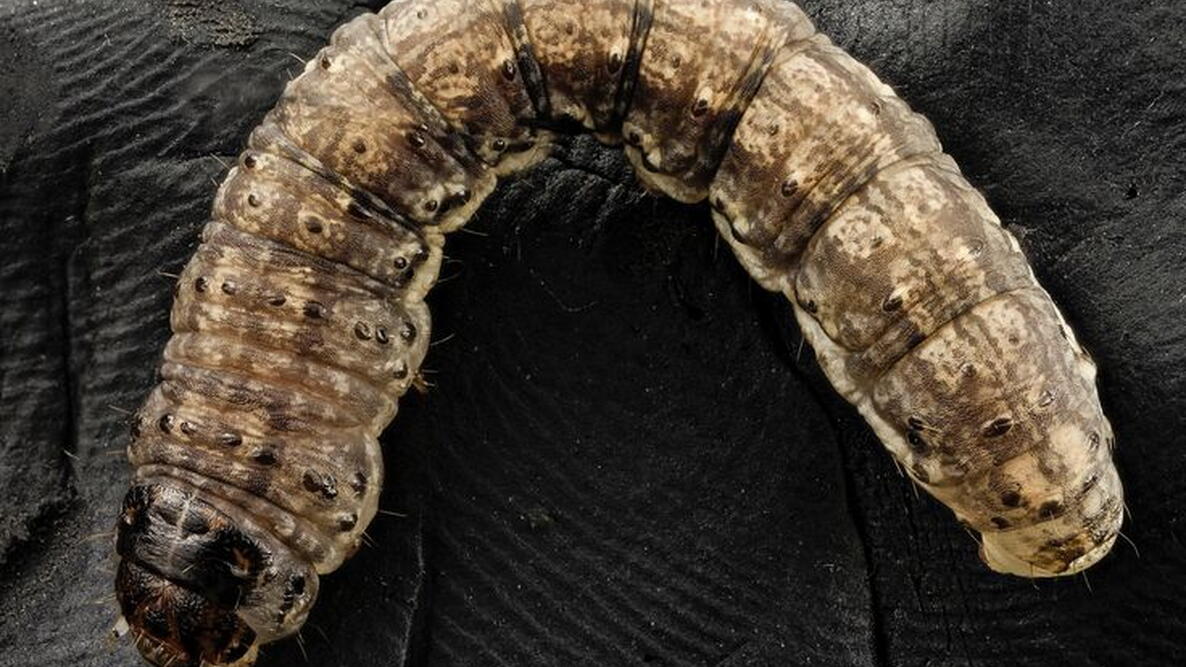
Black cutworms can wreak havoc on your garden, so learn these tips for identification and control.

Identification
How to Identify Cutworms
Cutworms feed on a wide variety of vegetables and flowers, so any young seedlings or transplants will be susceptible. To identify cutworms, try patrolling your garden at dusk or during the evening and inspect around the bases of plants. They are also partial to cloudy days.
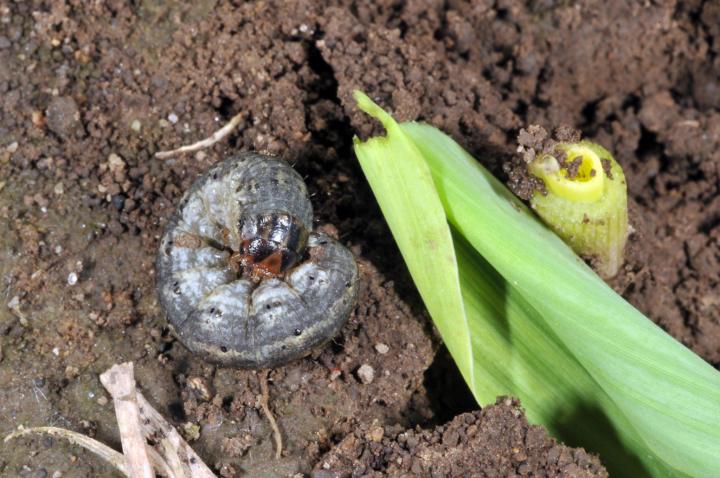
Different species range in color—grey, pink, green, and black—and can be as long as 2 inches. They can be solid, spotted, or striped. They tend be curled up when they are not on the move. Cutworms are stealthy and tend to feed only at night, hiding during daylight hours.
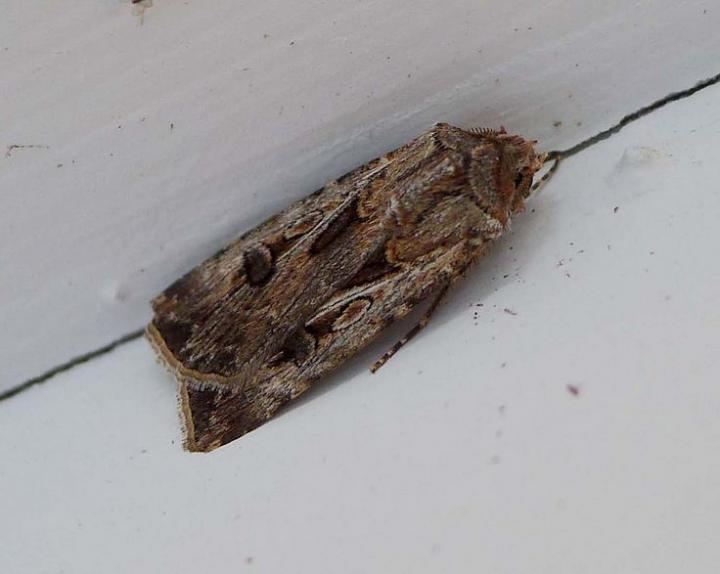
Black cutworms, Agrotis ipsilon, are one of the most common cutworms. They have small dark spots on their bodies and mature into the dark sword-grass moth.
Variegated cutworms, Peridroma saucia, are another common species. They are mottled brown and have a faint white stripe down their backs.
Adult cutworms are moths of dark wing colors. They are usually brown or gray and get to be about 1½ inches long with a 1½-inch wing length. Keep an eye out for the adults, because the females will lay eggs in dry soil after they mate.
Identifying Cutworm Damage
Cutworms chew through plant stems at the base. They primarily feed on roots and foliage of young plants and will even cut off the plant from underneath the soil. In most cases, entire plants will be destroyed; they do a lot of damage in no time at all. Even if only the bottom of the plant is destroyed, the top will often shrivel and die.
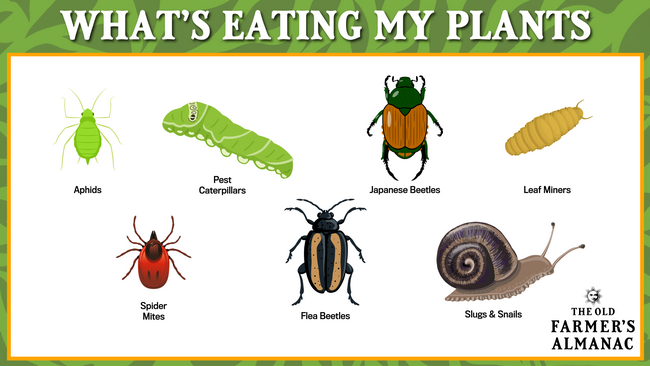
In the summer, cutworms sometimes crawl to the tops of plants and do damage there. Be careful not to mistake this damage for slug or cabbage worm damage.
Still unsure? Try our Plant Problem ID tool to quickly diagnose pests and diseases.

More Like This


Citrus cutworms are the most likely culprit. Does the damage look fresh or does it look like the fruit has had time to develop a scar? Citrus cutworms feed on the rind of developing fruit, which leaves scars when the fruit eventually matures. They are also known to eat only some of each fruit before moving on to the next, which is why you see damaged fruits throughout your tree. The good news is that their damage should not have affected the quality of the inside of the fruit, so you can still use them. Cut off the affected areas, if you like.
Citrus cutworms do their damage from late spring to early summer. In spring, you can apply Bacillus thuringiensis (Bt) to your tree to help keep them at bay. Bt is non-toxic to humans and must be ingested by insects to be effective, meaning pollinators like bees and butterflies are not harmed.
Bt will have no effect on cutworm eggs—only the larvae themselves—as it must be ingested. You could try spraying the eggs with a mixture of equal parts rubbing alcohol and water, which will dry them out. Test this on a single area of the plant before applying it to the whole thing, just to make sure there are no adverse effects. Other potential solutions include insecticidal soaps, neem oil, and compounds containing pyrethrins—all of which should be available at your local hardware store or garden center. Most insecticides target pests after they have already hatched, so you may be better off waiting until the eggs hatch, at which point Bt will be effective.
Well, at least you're laughing, Sheryl. There are a variety of chemical treatments on the market—too many to mention and not a category from which we can make recommendations with experience. Visit your local garden/lawn supply stores. Some sources suggest that tilling your garden before planting helps to expose and kill overwintering larvae, as well as remove plant residue which helps to discourage egg laying. Make a plan to till your garden in the fall, too, for the same effects. You might also inquire at your local cooperative extension service. Folks there have some creative ideas. Click on your state to find the one nearest you: http://www.almanac.com/search/site/cooperative%20extension
We hope this helps!
We've heard of baking soil but not soaking it with boiling water. You may be on to something, as the cutworms lay eggs in the soil. We can not comment on the idea because we have never done it, but we can advise removing weeds and plant residue, Til the garden before planting to help expose and kill overwintering larvae (if your beds are covered, perhaps the lack of exposure to cold enables the cutworms/larvae to thrive?), and avoid green manure; instead use compost. To that point, have you considered replacing your soil?? If you still think there are larvae in the soil, collar the plants with aluminum foil. Cutworms have many natural enemies but none can really eliminate them. We hope this helps.
- « Previous
- 1
- 2
- …
- 10
- Next »

Comments