The Full Worm Moon reaches its peak on the morning of Tuesday, March 3, 2026, at 6:38 A.M. ET. This year’s March Moon is especially notable because it coincides with a total lunar eclipse. The eclipse reaches its greatest point at 6:33 A.M. ET—just minutes earlier—and during totality, the Moon can take on a coppery red or orange glow.
You don’t need any special equipment to enjoy this celestial pairing. Simply step outside and watch as the Full Moon changes color over several hours. For a detailed explanation of what’s happening in the sky, see our guide to what happens during a total lunar eclipse.
A Rare Bonus: A Total Lunar Eclipse During March’s Full Moon
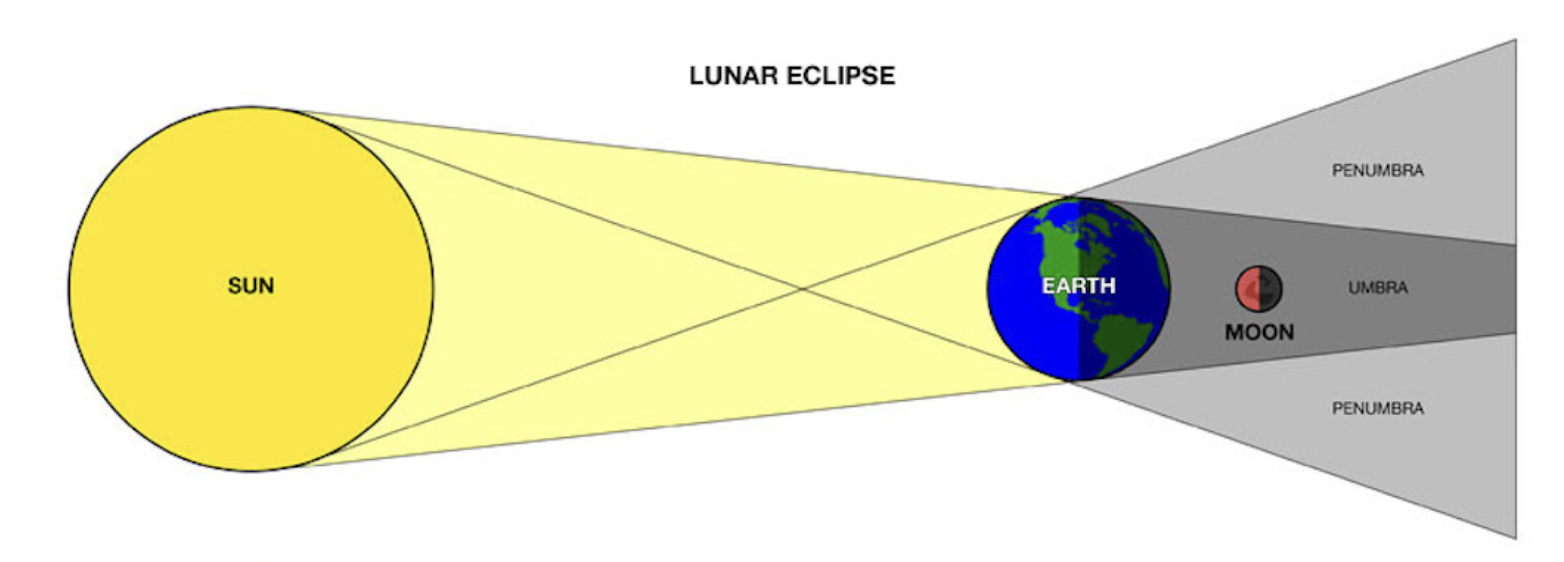
During a total lunar eclipse, Earth’s shadow gradually moves across the Full Moon, causing it to darken and take on a warm, coppery glow—often called a Blood Moon. This color change happens slowly and can be safely watched with the naked eye.
Viewing Notes for March’s Full Moon Eclipse
This lunar eclipse will be visible across much of North America, though what viewers see will vary by location. The Moon enters the penumbra at 3:44 A.M. EST (12:44 A.M. PST) and the umbra at 4:50 A.M. EST (1:50 A.M. PST).
Totality—when the Moon is fully within Earth’s shadow—lasts from 6:04 A.M. to 7:02 A.M. EST, with the greatest eclipse occurring at 6:33 A.M. EST. See our time zone converter.
The Moon leaves the umbra at 8:17 A.M. EST (5:17 A.M. PST) and the penumbra at 9:22 A.M. EST (6:22 A.M. PST). In eastern regions, totality occurs close to sunrise, while observers farther west will see the eclipse higher in the pre-dawn sky.
When to See the Full Worm Moon in March 2026
The Full Worm Moon reaches its peak on the morning of Tuesday, March 3, 2026, at 6:38 A.M. ET. This year’s March Full Moon is especially notable because it coincides with a total lunar eclipse. The eclipse reaches its greatest point at 6:33 A.M. ET, just minutes before the Full Moon peak, and during totality, the Moon can take on a coppery red or orange glow.
If clouds interfere, try early Tuesday morning again before sunrise, keeping in mind that totality occurs near sunrise in eastern locations.
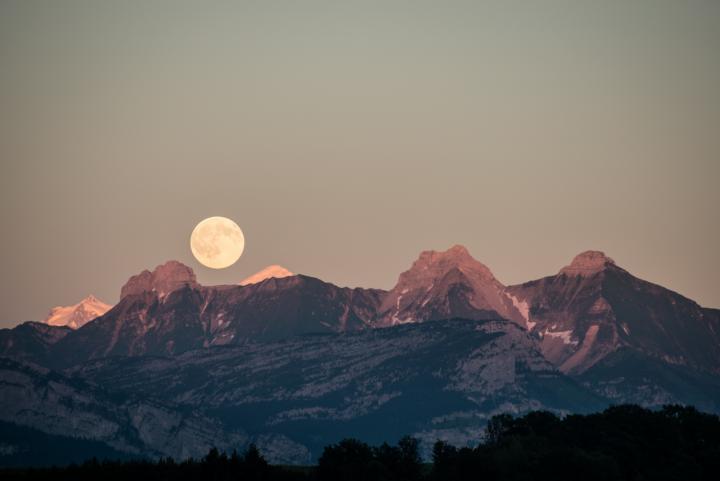
If conditions are just right and there’s a bit of mist or rain in the air, you may even spot a rare phenomenon called a moonbow—a rainbow created by moonlight instead of sunlight. Moonbows are most likely when the Full Moon is low in the sky. Learn more about moonbows.
This March Moon may also appear especially large near the horizon due to the Moon illusion, which makes the Moon seem bigger when it’s close to buildings, trees, or hills.

Why Is It Called the Worm Moon?
The Full Moon names used by The Old Farmer’s Almanac come from a mix of Native American, Colonial American, and European sources. Traditionally, each name applied to the entire lunar month in which the Full Moon occurred—not just the night it was full.
March’s Full Moon has long marked a turning point in the seasonal calendar, when winter begins to loosen its grip and signs of spring slowly return.
The Surprising Truth Behind the Worm Moon Name
March’s Full Moon is known as the Worm Moon. For many years, it was believed this name referred to earthworms appearing as the soil warms in early spring—drawing birds such as robins and signaling the changing season.
However, historical research suggests another explanation. In the 1760s, Captain Jonathan Carver recorded that the name referred to beetle larvae—another type of “worm”—which emerge from thawing tree bark and winter hiding places at this time of year.
Either way, the name reflects the same idea: the land is beginning to wake up.
A Seasonal Signal for Gardeners
For generations, this Full Moon served as a seasonal marker for people who worked the land. The Worm Moon reflects a time when winter begins to loosen its hold—when daylight is increasing, snow and ice start to retreat, and the natural world shows its first subtle signs of change.
Rather than signaling planting time, this Moon traditionally marked a period of observation and preparation. It was a cue to watch the landscape, take stock after winter, and begin planning for the growing season ahead—even though the ground itself was often still frozen.
As spring approaches, many gardeners use this time to think ahead to the growing season. Begin with our Vegetable Gardening for Beginners Guide, check your local dates in the Almanac Planting Calendar, or explore how the Moon’s phases are used in traditional practices in our lunar gardening guide.
The Sugar Moon and Early Spring Traditions
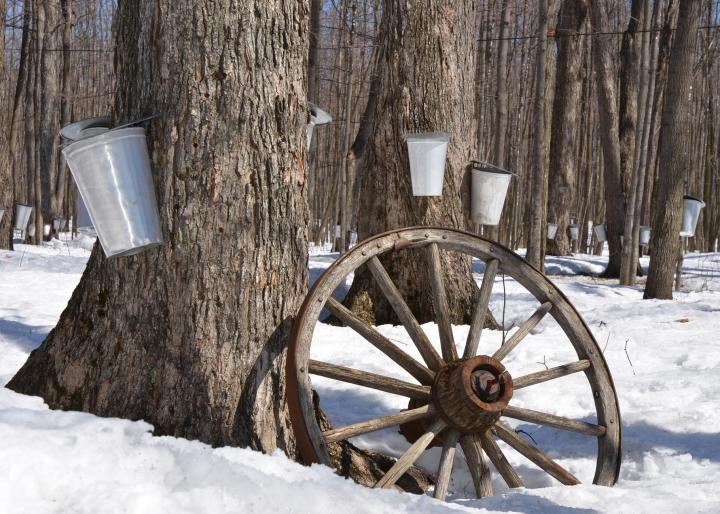
Another traditional name for March’s Full Moon is the Sugar Moon (Ojibwe). In many regions, this is the time when sugar maples are tapped, and sap buckets begin to fill—an early sign that spring is on its way, even if snow still covers the ground. Learn how maple sap is turned into syrup.
Alternative Names for the March Full Moon
Many traditional names for the March Moon reflect the transition from winter to spring. Some are tied to animal behavior, while others describe seasonal changes:
- Wind Strong Moon (Pueblo): referring to blustery late-winter winds
- Sore Eyes Moon (Dakota, Lakota, Assiniboine): describing sunlight reflecting off melting snow
- Goose Moon (Algonquin, Cree)
- Crow Comes Back Moon (Northern Ojibwe)
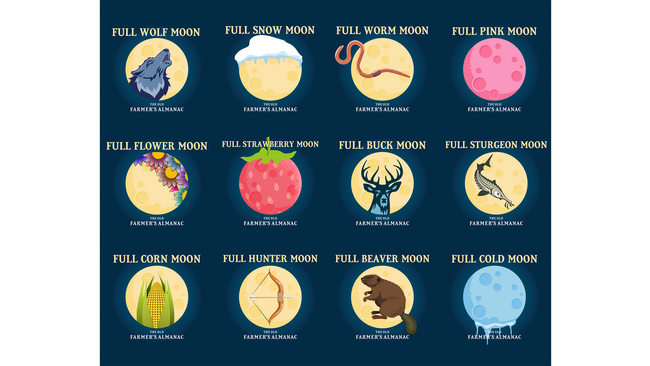
→ See all 12 Full Moon names and meanings
Alternative March Moon Names
There are quite a few names for the March Moon that speak to the transition from winter to spring. Some refer to the appearance (or reappearance) of certain animals, such as the Eagle Moon, Goose Moon (Algonquin, Cree), or Crow Comes Back Moon (Northern Ojibwe), while others refer to signs of the season:
- The Sugar Moon (Ojibwe) marks the time of year when the sap of sugar maples starts to flow.
- The Wind Strong Moon (Pueblo) refers to the strong, windy days that come at this time of year.
- The Sore Eyes Moon (Dakota, Lakota, Assiniboine) highlights the blinding rays of sunlight that reflect off the melting snow of late winter.
→ See all 12 months of Full Moon names and meanings.
Moon Phases for March 2026
See the Full Moon Calendar for local times.
.png) | Full Moon: March 3, 6:38 A.M. ET |
.png) | Last Quarter: March 11, 5:38 A.M. ET |
.png) | New Moon: March 18, 9:23 P.M. ET |
.png) | First Quarter: March 25, 3:18 P.M. ET |
Best Days in March 2026
Based on the Moon’s phase and position, here are the best days for selected activities:
- For Planting:
Aboveground crops: 25–26
Belowground crops: 7–8 - For Setting Eggs: 4–5
- For Fishing: 1–3, 18–31
→ See Best Days for more activities
Explore more Full Moon names, learn what’s happening in the sky each month, and share your thoughts about March’s Moon below.

More Like This
Comments

It's thought that the "worms" originally referred to by the "Worm Moon" name were actually grubs and larvae native to eastern North America. After European colonists arrived and came up with their own interpretations of traditional Native American Moon names, earthworms became the subject of this name's popular usage instead.
Hi Fiona, That's a very interesting question! I think it's a first for us.The Old Farmer's Almanac is a North American publication founded in 1792 when George Washington was president, so our Moon names come from a history of Colonialism and Europe heritage as well as the Native American influence.
So, it may be interesting to look at your early culture and especially consider the native peoples. Also, many of the Moon names are based on what's happening in nature so you would want to look at some of the natural biological cycles in your region. I'm sure you have different plants and animals and weather!
Then again, you're welcome to borrow the same names but "reverse" them. For example, if the Harvest Moon is nearest the autumnal equinox in the Northern Hemisphere, then you could call your March Moon (nearest the vernal equinox) the Harvest Moon.
Keep in mind that many Moon names do not apply to all of the U.S. regions either since we immigrated from Britain and Europe and also first settled in the Northeast. For example, we call the June Moon the "Strawberry Moon" because early Americans harvested in June; however, people in the Southern U.S. will have already harvested in February. It's just a nod to our heritage. And it's a fun way to think about the lunar calendar!
- « Previous
- 1
- 2
- …
- 10
- Next »

You can find our "Best Days" timetable under the Calendar. Direct link is here: https://www.almanac.com/bestdays/timetable