Columbus Day falls on Monday, October 12, 2026. The U.S. federal holiday commemorates Christopher Columbus’s arrival in the Americas in 1492. Some communities celebrate Italian-American heritage, while others observe Indigenous Peoples’ Day instead of or alongside Columbus Day.
What Is Columbus Day?
Columbus Day is a federal U.S. holiday commemorating the voyage and landing of Italian explorer Christopher Columbus in the “New World” on October 12, 1492.
The anniversary of his landing in what would eventually be known as the Americas was first formally celebrated 300 years later, in 1792, by the Columbian Order (Society of St. Tammany) in New York City.
When Is Columbus Day in 2026?
Columbus Day is observed on the second Monday in October each year. This means that the date changes from year to year.
In 2026, Columbus Day will be observed on Monday, October 12.
Columbus Day Dates| Year | Date |
|---|
| 2026 | Monday, October 12 |
|---|
| 2027 | Monday, October 11 |
|---|
| 2028 | Monday, October 9 |
|---|
| 2029 | Monday, October 8 |
|---|
History of Columbus Day
On October 12, 1492, Christopher Columbus, an Italian explorer sailing for Spain, reached an island in what is now the Bahamas while seeking a westward trade route to Asia. The Indigenous Lucayan people called the island Guanahani; Columbus renamed it San Salvador. The exact modern location of the landing remains debated.
Contrary to a familiar myth, Columbus did not set out to prove that Earth was round. European scholars already understood its shape. The disagreement concerned the distance to Asia, which Columbus underestimated.
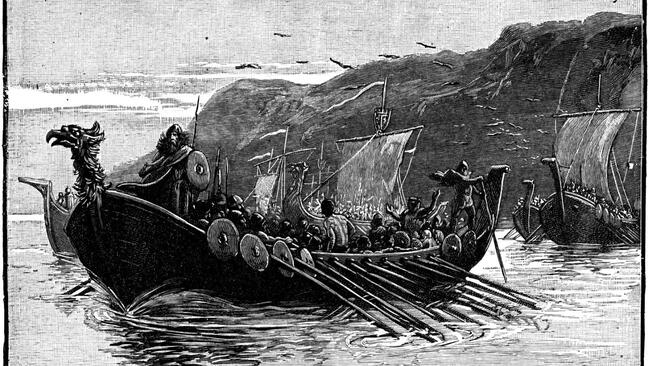
Indigenous peoples had inhabited the Americas for thousands of years, and Norse explorers had reached North America centuries before Columbus. His voyages nevertheless helped set in motion sustained European colonization of the Americas.
The first recorded U.S. celebration of Columbus Day took place in New York City in 1792, marking the voyage’s 300th anniversary. National recognition followed in 1934. A 1968 law added Columbus Day to the federal holiday calendar on the second Monday in October, with the change taking effect in 1971.
For some Italian-American communities, Columbus Day also became an occasion to celebrate their heritage and contributions to the United States.
Why Columbus Day Is Controversial
Columbus Day is controversial because honoring the explorer can overlook the harm inflicted on Indigenous peoples by Columbus and the colonization that followed. Columbus participated in the enslavement of Indigenous people, while European colonization brought devastating disease, warfare, forced displacement, and loss of ancestral lands.
Critics also challenge the idea that Columbus “discovered” the Americas, where diverse Indigenous societies already lived. They argue that commemorations should include Indigenous perspectives and acknowledge the continuing effects of colonization.
Some communities now observe Indigenous Peoples’ Day instead of or alongside Columbus Day. This observance honors Indigenous histories, cultures, resilience, and ongoing contributions—including those of living Taíno communities whose ancestors encountered Columbus in the Caribbean.
Indigenous Peoples’ Day: Honoring Native Cultures
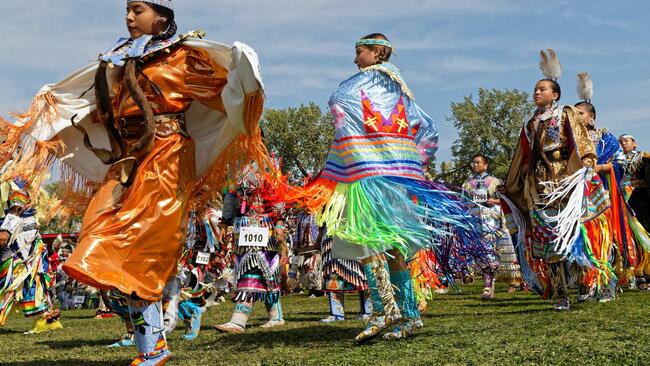
Some locations in the United States honor Native American culture on the second Monday in October with a holiday called Indigenous Peoples’ Day. Since the late 1980s, this day has been celebrated instead of or alongside Columbus Day.
Indigenous Peoples’ Day honors Indigenous histories, cultures, resilience, and ongoing contributions. Some communities observe it instead of Columbus Day, while others recognize both observances.
Coincidentally, Columbus Day weekend is often when the fall foliage peaks in some regions of North America. Learn why fall leaves change color!




Comments