
Easter Sunday falls on March 28 in 2027. Easter is a holiday set by the Moon and the arrival of spring, which is why its date hops around the calendar from year to year. But why is Easter so early in 2027?
The holiday is celebrated on a Sunday between March 22 and April 25, making March 28 one of its earliest possible dates. See when Easter falls this year, next year, and beyond in the chart below, then discover how the date is determined.
When Is Easter in 2027?
In 2027, Easter Sunday is March 28 for most Christians in the U.S. and Canada. Orthodox Easter, observed by the Eastern Orthodox Church, falls later, on May 2.
Easter Dates | ||
|---|---|---|
| Year | Easter Sunday | Orthodox Easter |
| 2026 | April 5 | April 12 |
| 2027 | March 28 | May 2 |
| 2028 | April 16 | April 16 |
| 2029 | April 1 | April 8 |
| 2030 | April 21 | April 28 |
Did you know? Most Western churches calculate Easter’s date using the Gregorian calendar (the kind hanging on your kitchen wall). The Eastern Orthodox Church uses the older Julian calendar.
Why Does Easter’s Date Change Every Year?
Easter is known as a “movable feast,” which is a fancy way of saying that the date it falls on the calendar changes from year to year. The date is tied to both the spring equinox (the first day of spring) and the Moon.
Curious why Easter is so early in 2027? Jump to the explanation below—or keep reading to learn how Easter’s date is determined.
How Is the Date of Easter Determined?
Here’s the basic rule: Easter falls on the first Sunday after the first Full Moon on or after March 21.
While the actual start of spring (spring equinox) can shift between March 19, 20, and 21, the Church always uses March 21 as the start of spring for calculating Easter. This keeps the calculation consistent year after year.
But the Church doesn’t use the exact date of the Full Moon we see in the sky. Instead, it uses a calendar based on the Moon’s repeating 19-year cycle. The Full Moon date the Church uses is called the Paschal Full Moon (say PASS-kul). Paschal means “relating to Easter” and comes from Pascha, a traditional name for the holiday.
Did you know? The Church’s Paschal Full Moon and the actual Full Moon in the sky fall on the same date in 2027: March 22. See upcoming Full Moon dates using our Moon Phase Calendar.
For more on the connection between the Moon and Easter, see Easter and the Full Moon: Understanding the Paschal Moon Rule.

Why Is Easter So Early in 2027?
Easter is unusually early in 2027 because the Full Moon that sets its date arrives almost as soon as spring begins!
Remember the basic rule: The Church uses March 21 as the start of spring for calculating Easter, and Easter falls on the Sunday after the next Full Moon. In 2027, that Easter Full Moon falls on March 22—just one day later!
Because the Full Moon arrives so early, Easter lands on the very next Sunday: March 28, 2027.
Is Easter Always in March or April?
Yes! Easter Sunday always falls between March 22 and April 25. Depending on where you live, Easter may arrive with the first spring bulbs—or when flowering trees and shrubs are already putting on a show.
Orthodox Easter follows a different calendar, so the holiday can fall in May. That’s the case in 2027, when Orthodox Easter is celebrated on May 2.
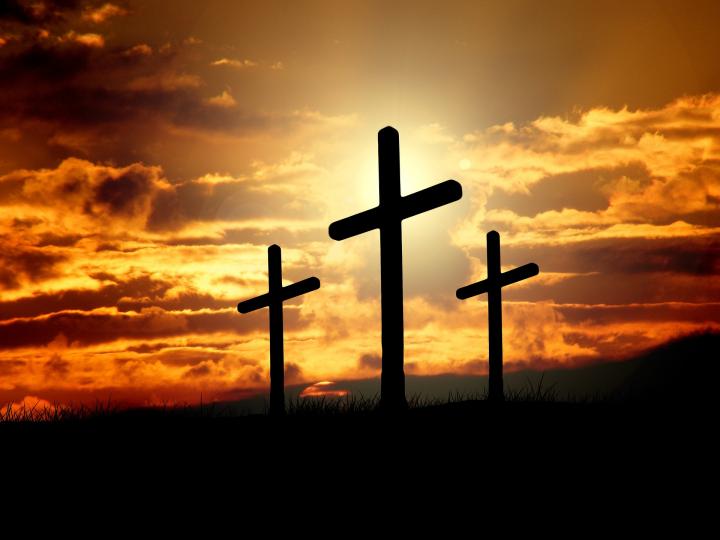
When Are Ash Wednesday, Lent, Palm Sunday, and Good Friday?
In the Western Christian calendar, the weeks leading up to Easter bring several important observances. Here’s when they fall in 2027 and what each one means.
| Observance | 2027 Date | What It Marks |
|---|---|---|
| Ash Wednesday | February 10 | The start of Lent and a day of fasting and reflection. |
| Lent | Begins February 10 | The traditional 40-day season of preparation before Easter. |
| Palm Sunday | March 21 | The Sunday before Easter and the start of Holy Week. |
| Good Friday | March 26 | The Friday before Easter, commemorating the crucifixion of Jesus Christ. |
And now you’ll know just when to dust off your hot cross buns recipe—a Good Friday tradition!
Frequently Asked Questions
-
When is Easter next year?
Easter Sunday falls on March 28 in 2027. In 2028, Easter will be celebrated on April 16.
-
Is Easter always in April?
No! Easter Sunday can fall in March or April, on any Sunday between March 22 and April 25. In 2027, Easter arrives early, on March 28.
-
Why does Easter change every year?
Unlike holidays with fixed dates, Easter follows the Moon and the arrival of spring. Its date is determined by the first Sunday after the Church’s Paschal Full Moon on or after March 21.
Sources
- U.S. Naval Observatory — The Date of Easter
- U.S. Census Bureau — Easter Dates from 1600 to 2099
- Ohio Journal of School Mathematics — The Mathematics of Easter


Easter Recipes
More Like This






- « Previous
- 1
- 2
- …
- 10
- Next »

Comments