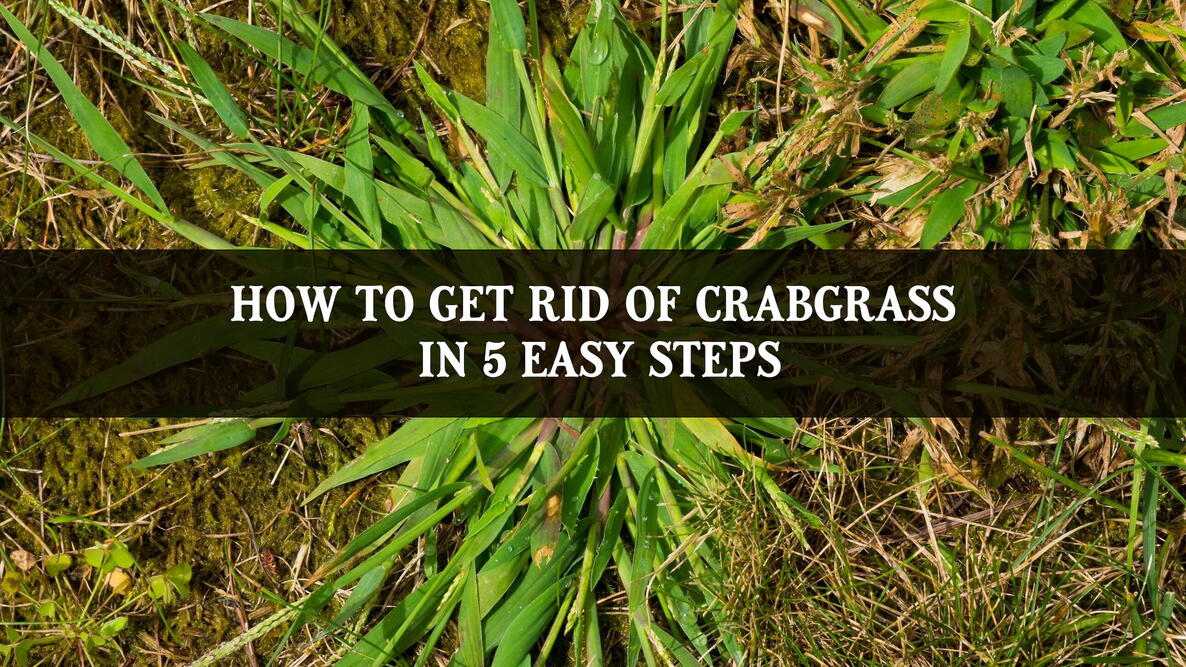
Crabgrass taking over your lawn? It may seem relentless—but once you understand how it grows, it’s actually one of the easier weeds to manage. The key is timing, along with a few simple practices that make your lawn less inviting in the first place.
Quick Tips to Control Crabgrass
- Act early: Young plants are much easier to remove
- Watch soil temps: Crabgrass starts germinating around 55°F
- Don’t let it seed: Prevent thousands of new weeds next year
- Build thick turf: Healthy lawns crowd out crabgrass naturally
1. What Is Crabgrass?
Crabgrass (Digitaria spp.) is a low-growing, summer annual weed that spreads by seed and by rooting along its stems. It germinates in spring when soil temperatures reach about 55°F for several days, grows quickly through summer, and produces thousands of seeds by fall.
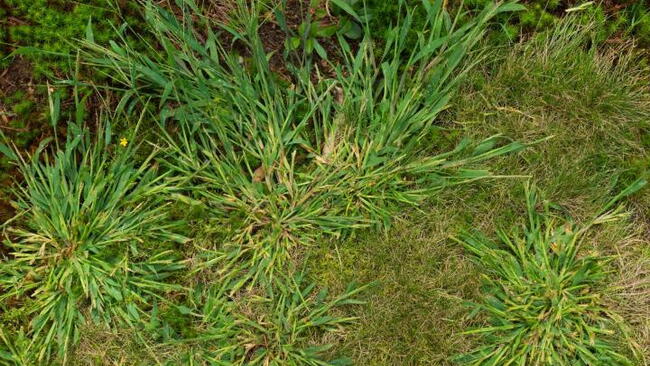
It tends to show up in thin, stressed lawns—especially along edges, in bare spots, and in compacted soil. In that sense, crabgrass is often a sign that your lawn needs attention.
What Does Crabgrass Look Like?
When young, crabgrass resembles a small corn plant with wide blades that spread outward. As it matures, it forms a low, spreading clump with stems radiating from a central root—giving it that characteristic “crab-like” growth.
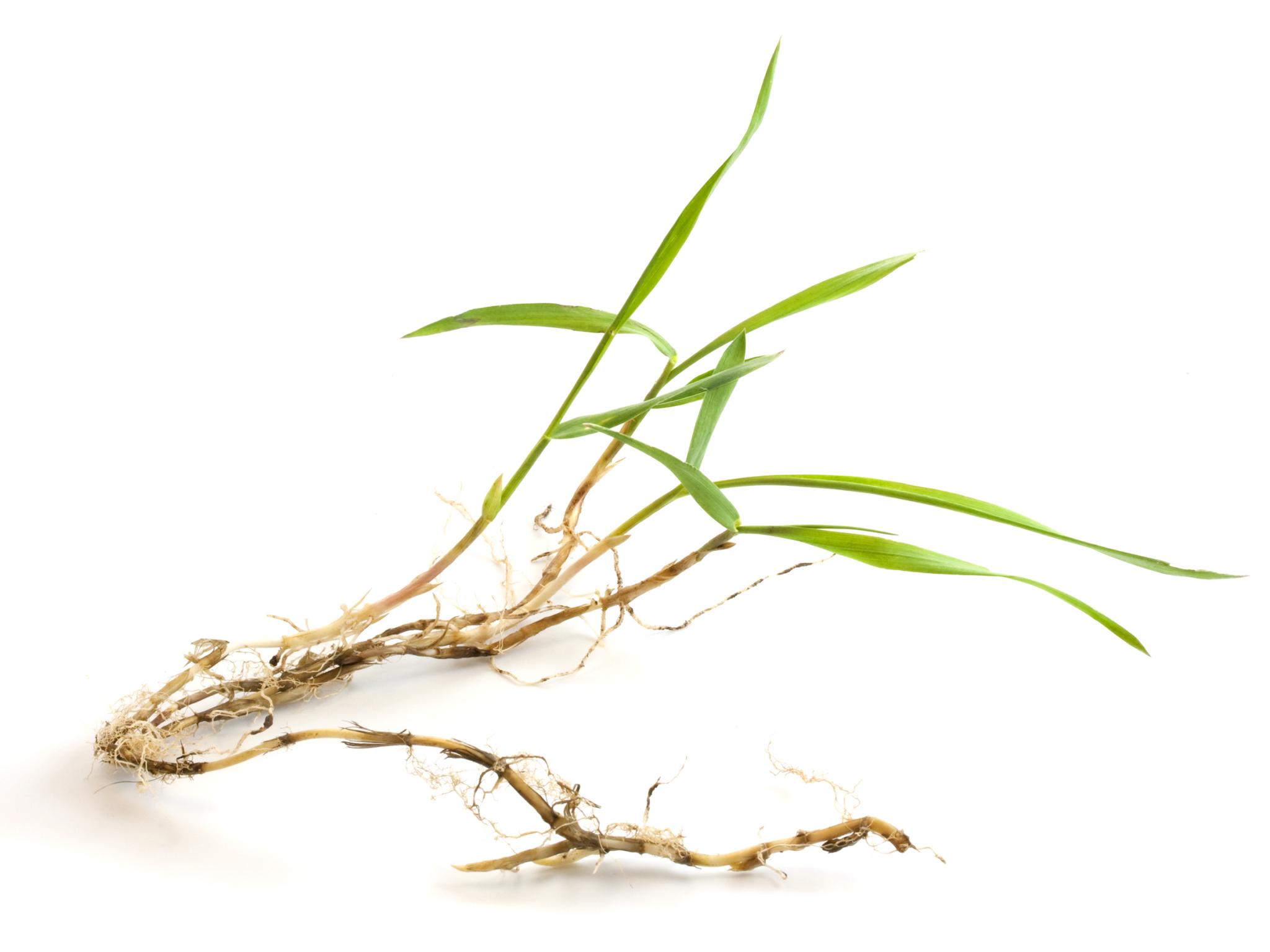
Mature plants develop multiple stems and can spread outward along the soil surface, rooting at nodes as they grow.

By late summer, crabgrass produces seed heads that release thousands of seeds—allowing it to return year after year if not managed.

2. Remove Young Plants Early
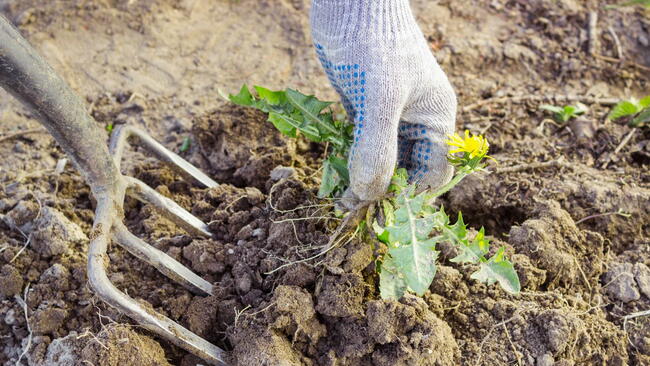
If you catch crabgrass early, it’s relatively easy to remove. Young plants have shallow roots and can often be pulled by hand—especially after rain or watering when the soil is soft.
Removing the entire crown (the center growing point) is key. If left behind, the plant can regrow.
As crabgrass matures, it becomes tougher to remove completely. Avoid aggressive tilling, which can bring more weed seeds to the surface.

3. Understand Timing (Prevention vs. Control)
Managing crabgrass comes down to timing. You can either prevent it before it germinates or control it after it appears.
Before Crabgrass Emerges
Preventing crabgrass starts in early spring, before seeds germinate. This is typically when soil temperatures approach 55°F for several days in a row.
Applying a pre-emergent product at the right time can help stop seeds from sprouting. Timing matters—too early or too late reduces effectiveness.
After Crabgrass Appears
Once crabgrass is visible, early action is important. Small, actively growing plants are much easier to manage than mature ones.
- Check your lawn regularly in spring and early summer
- Address new growth quickly before it spreads
- Focus on small patches before they become larger infestations
Whether using spot treatments or other methods, acting early will give you the best results.
4. Stop Seed Production
One of the most important steps is preventing crabgrass from going to seed. Each plant can produce thousands of seeds that remain in the soil for years.
- Mow regularly to reduce seed head formation
- Remove visible plants before they mature
- Address problem areas early in the season
Even small improvements here can significantly reduce crabgrass over time.
5. Build a Healthier Lawn
The best long-term defense against crabgrass is a dense, healthy lawn. Thick turf leaves little room for weed seeds to take hold.
- Choose the right grass for your region
- Mow high to shade the soil and reduce germination
- Water deeply and less often to encourage strong roots
- Fertilize appropriately to support steady growth
Over time, improving lawn health makes it much harder for crabgrass to establish in the first place.
The Bottom Line
Crabgrass can be frustrating—but it’s also predictable. By focusing on timing, removing young plants early, and strengthening your lawn, you can break the cycle and reduce it year after year.



Comments