If you’re starting a new garden, one of the first challenges is removing grass and weeds. Whether you’re converting part of your lawn into a vegetable garden or creating a new flower bed, these proven methods—from sheet mulching to digging out sod—will help you prepare the soil for planting.
The best ways to remove grass for a garden are:
- Sheet mulch with cardboard.
- Dig out the sod.
- Solarize with plastic.
- Build raised beds over the lawn.
Choose the Best Location for Your Garden
Before you clear your lawn or land for a garden, let’s start with five basics of choosing a good gardening location:
- Most vegetables and flowers need 6 to 8 hours of sunlight a day.
- Avoid land with lots of invasive grasses (such as Johnson grass and invincible Bermuda grass); it will be very difficult to succeed in fully removing everything.
- Choose a level spot. Avoid floodplains or steeply sloped areas, as they can present challenges related to water and access.
- Soil must drain well; if it pools water easily or grass won’t grow there, that’s not a good sign.
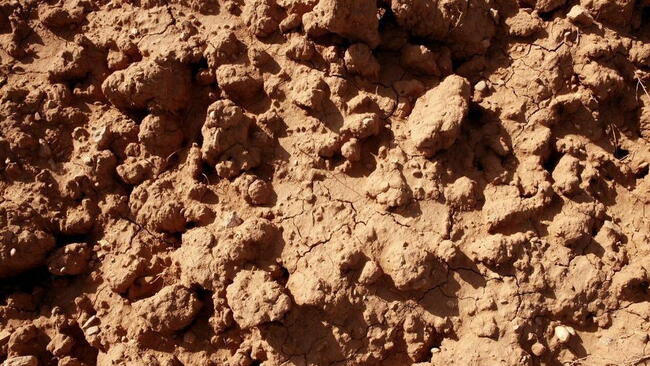
- Heavy clay soil will also be challenging; in this case, we would recommend raised bed gardens.
When Should You Remove Grass?
You can do this project in the spring or in the fall.
Removing Grass in Fall
The best time in the fall to give your soil time to recover and get nourished by organic amendments (compost) over winter into spring.
Removing Grass in Spring
However, if it’s already spring, and you want to start a garden immediately, see our “quick version” further down this page.
You can do it all just prior to planting, too, but you may have more weeds pop up over the season.
4 Ways to Remove Grass for a Garden
1. Smother Grass with Cardboard (Best No-Dig Method)
This is the common method, and biodegradable cardboard is used to smother grass and weeds.
- Define your garden bed. Outline the garden’s shape with a hose, string, or rope. A rectangle is easiest.
- Start by clearing the surface of any debris and any rocks larger than a hen’s egg. Mow down grass or cut back weeds to the ground.
- Cover the plot with layers of cardboard or 8 to 10 sheets of newspaper, overlapping the edges by at least 6 inches. If you’re using newspaper, ensure the sheets have black ink only (no color). The cardboard needs to be unwaxed. Mark out paths between the beds using thick cardboard laid with generous overlaps. This will help to kill off the weeds between growing areas. You can cover the cardboard with bark chips or similar later.
- Thoroughly wet the cardboard to help it break down. The cardboard will serve as a further barrier to weeds, exhausting and eventually killing most of them. Once the growing season gets underway, you’ll find that any weeds that manage to make it through will be much easier to remove.
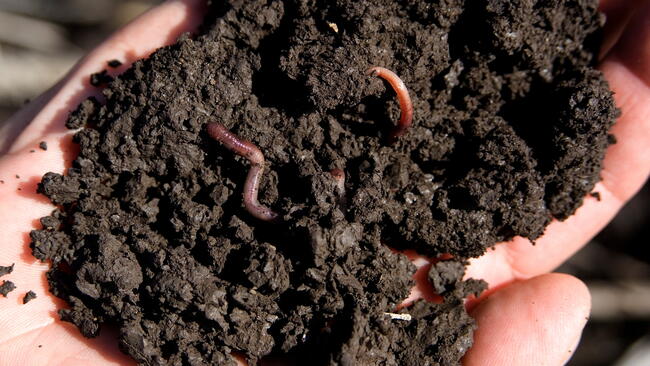
- Now add a thick layer of well-rotted organic matter. Add compost 3 to 4 inches thick over the paper or cardboard to hold it down. Fast-forward a few months, and any grass and weeds below will have rotted down, returning all that wonderful nitrogen back to the soil. Earthworms will work to gradually incorporate the organic matter into the soil below. You’re left with loose, dark, moist soil with no weeds.
If the organic matter in your bed is still lumpy at planting time, start vegetable seedlings off in plug trays or pots to plant out once they’ve grown a sturdy root system. This will also make it easy to space plants out at exactly the right distance, saving you time thinning out rows of seedlings.
See our full video showing you how to create a no-dig garden.
2. Solarize Grass With Plastic
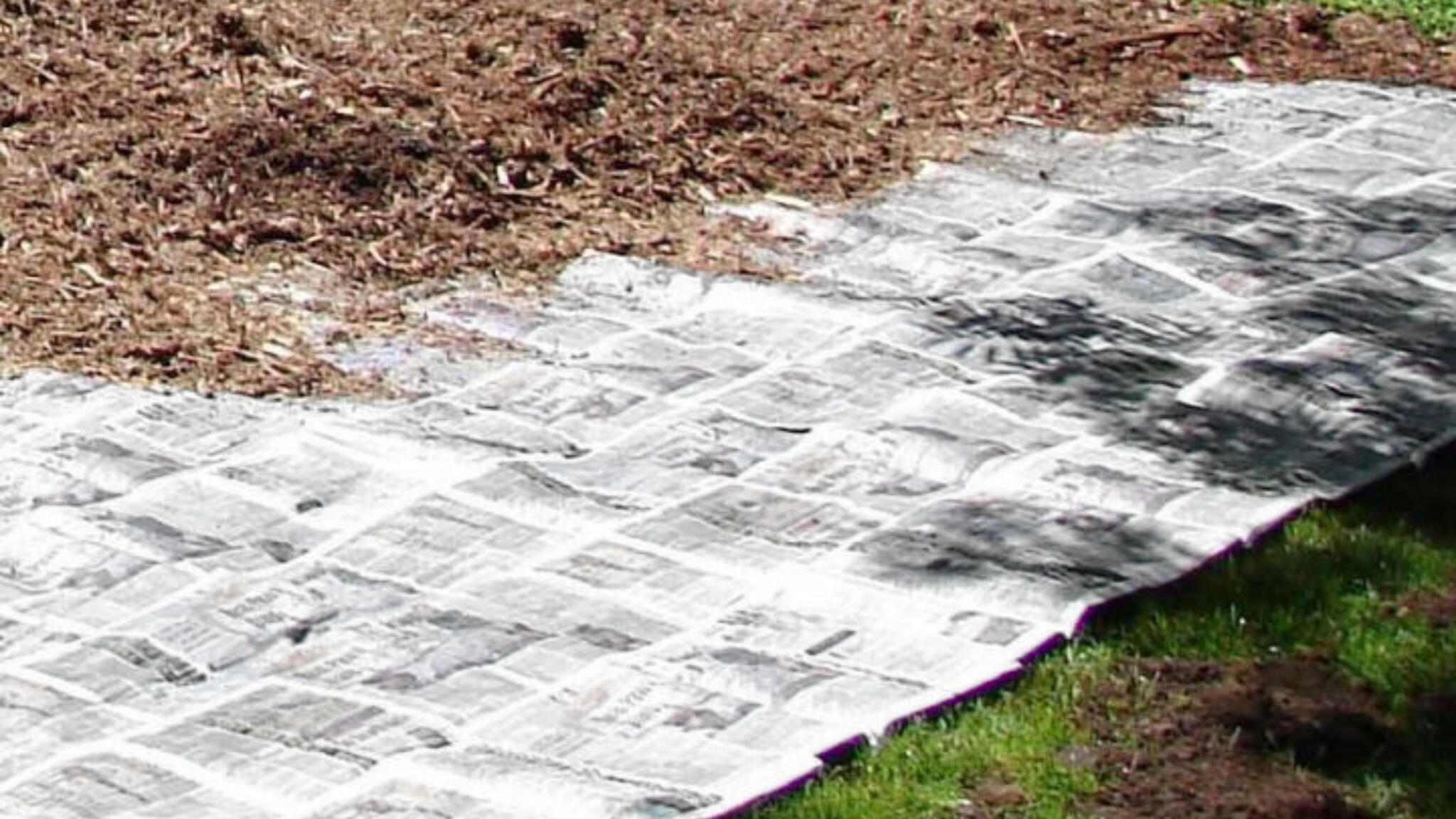
Use the power of the Sun! Cover the area with a clear or black plastic tarp anchored to the ground. For best results, leave the covering in place for several weeks of hot weather. The ground beneath the plastic will heat up to temperatures that will scorch living grass, as well as weeds, seeds, and soil bacteria. Within about 4 weeks, your grass should die and begin to break down. You can then dig the dead grass into the soil, add compost or other soil amendments if you wish, and plant your garden bed.
3. Dig Out Sod by Hand
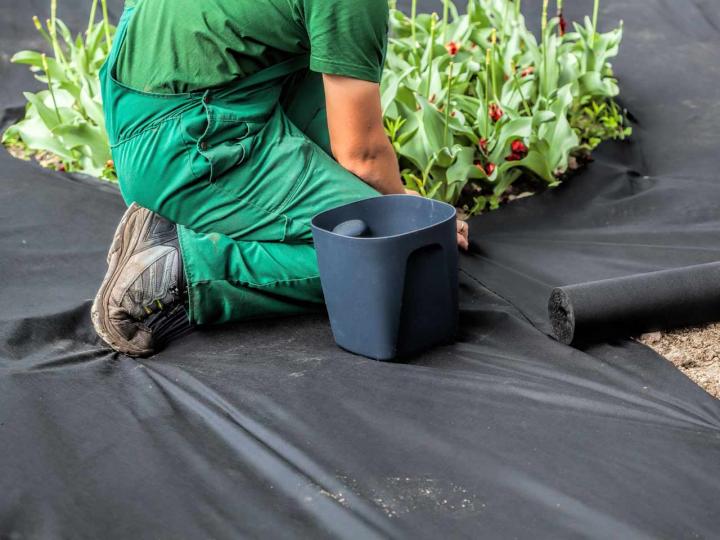
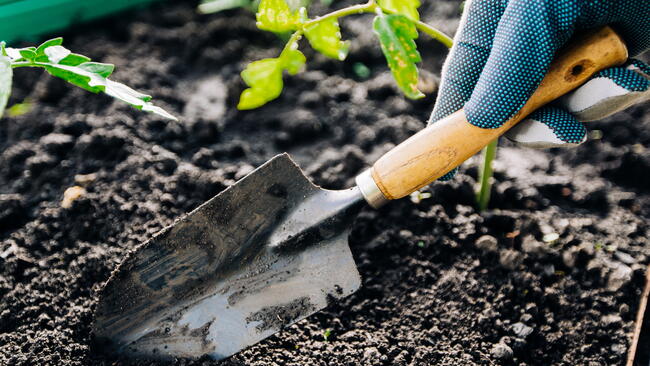
Though this method requires more physical effort, it’s also very effective and quick. Have a sharp spade on hand. Water the lawn a day prior to grass removal. Slice under the sod with the spade and cut it into 1-foot-square sections or manageable pieces. Remove each section by sliding the spade beneath the segment and levering it up and out of the ground. Discard grass, consider adding the pieces to your compost, or use them to patch bare spots elsewhere. Remove any remaining weeds or chop them with a hoe or mattock and rake them up, or use a commercial weed barrier.
Work compost into the soil when you first start a garden. This will improve soil fertility and drainage. Apply a 1- to 2-inch layer of organic material over the garden. Then, level out the soil with a hoe or rake before planting. Do not step on your soil, or it will become compacted.
4. “Back to Eden” Technique
Organic gardener Paul Gautschi popularized the “Back to Eden” method. He uses wood chips to mimic Mother Nature’s infinite ability to recycle nutrients.
- Build a bed with thick layers of newspaper over cleared ground. Wet it down.
- Top with about 4 inches of compost, then add a layer of wood chips about 2 inches deep, taking care not to mix the two layers.
- Then, push aside the wood chips to plant into the compost beneath.
Of course, you could use other materials, such as leaf mold or hay, in place of wood chips. The secret of this top layer is to slow down evaporation and constantly feed the soil below so that no additional fertilizers are ever required.
| Season | Best Method | Best For |
|---|---|---|
| Fall | Sheet mulching | Building soil |
| Spring | Digging or raised beds | Immediate planting |
A Word on Soil Testing
Before starting a new plot, one important step is to test your soil. Not only do you want to ensure a lack of chemicals in the ground, but you also need to know if your soil is deficient in essential nutrients or if your soil’s pH (acidity or alkalinity) isn’t in the right range for growing. Otherwise, all of this work could lead to disappointment.
We recommend contacting your state’s local cooperative extension for a soil test (usually free or very low cost). Test results will tell you which amendments you must add to your soil to grow healthy vegetables and flowers. For example, soil pH is adjusted by adding ground limestone or sulfur. See how to take a soil test.
Do you have any tips or tricks for removing grass to make a garden bed? What is your favorite method? Tell us in the comments!

More Like This


Comments