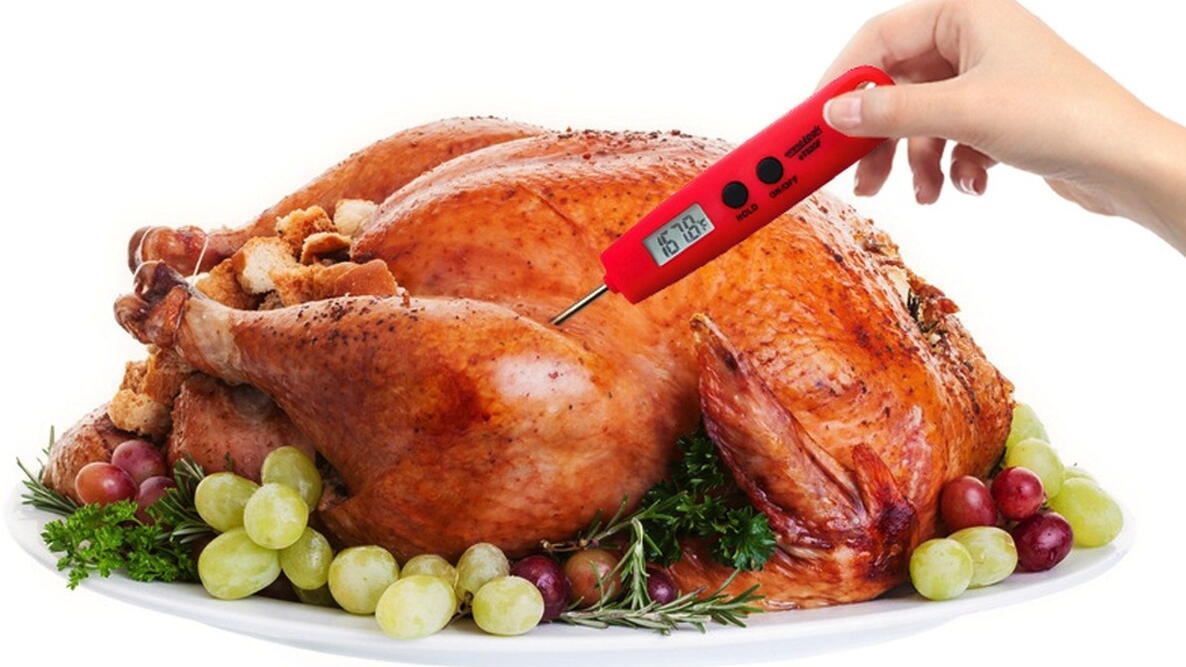
Take the guesswork out of cooking! Here are tips for using a meat thermometer to ensure that the safe minimum internal temperature of meat is reached. That way, you know when it’s done, at peak flavor, and also safe for eating.
Are You Cooking Meat Safely?
Meat and poultry are cooked and juicy at certain temperatures but become dry and tough if cooked much longer. Traditionally, judging when a bird is done roasting has meant visually checking the interior color of the meat while it is cooking—the redder the color, the rarer the meat. But this involves guesswork, which is neither accurate nor safe!
Instead, it’s recommended that you use a meat thermometer to guage when your pork roast, chicken breast, or other cut of meat is truly ready to be served. According to the USDA, different meats must reach different temperatures to be considered safe. (Consult the chart below for minimum internal temperatures.)
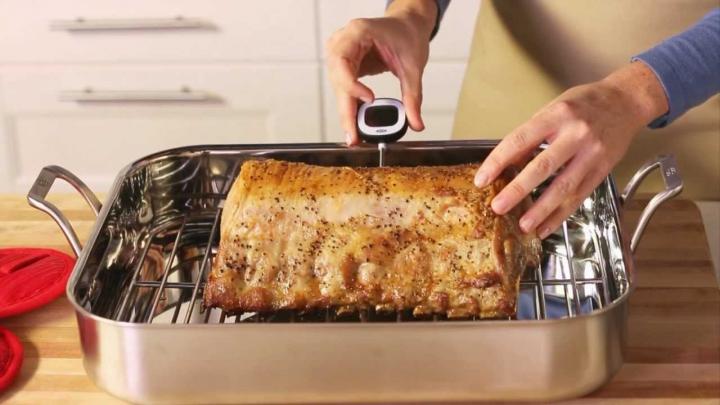
How to Use a Meat Thermometer
To be certain, we recommend using an instant-read thermometer. Round-dial and digital instant-read thermometers are available from kitchen supply stores and hardware stores and cost from $12 to $20.
Instant-read thermometers give readings quickly, but they are not oven-safe and must not be left in the meat while it is cooking. Use the thermometer toward the end of the minimum cooking time and allow it to remain in the meat for only 15 seconds, at a depth of 2 inches or to the indicator mark on the thermometer’s stem.
Follow these guidelines for accurate thermometer readings:
- For roasts, steaks, and thick chops, insert the thermometer into the center at the thickest part, away from bone, fat, and gristle.
- For whole poultry (such as turkey or chicken), insert the thermometer into the inner thigh area near the breast but not touching bone.
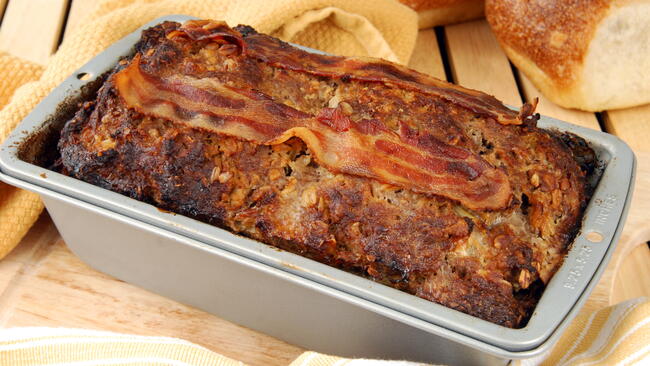
- For ground meat (such as meat loaf), insert the thermometer into the thickest area.
- For thin items such as chops and hamburger patties, insert the thermometer sideways.
Minimum Internal Temperature Chart
| SAFE MINIMUM INTERNAL TEMPERATURES FOR BEEF, POULTRY, AND OTHER FOODS | |
|---|---|
| PRODUCT | MINIMUM FAHRENHEIT |
| Beef | |
| Ground | 160°F |
| Roasts, steaks, and chops | 145°F; allow to rest for at least 3 minutes |
| Casseroles | 165°F |
| Chicken | |
| Ground | 165°F |
| Whole | 165°F |
| Breasts, roasts | 165°F |
| Parts (legs, thighs, wings) | 165°F |
| Duck (whole or pieces) | 165°F |
| Eggs and egg dishes | |
| Eggs | Cook until yolk and white are firm |
| Egg dishes | 160°F |
| Fish and shellfish | |
| Fin fish | 145°F or cook until flesh is opaque and separates easily with a fork |
| Shrimp, lobster, and crabs | Cook until flesh is pearly and opaque |
| Clams, oysters, and mussels | Cook until shells open during cooking |
| Scallops | Cook until flesh is milky white or opaque and firm |
| Goose (whole or pieces) | 165°F |
| Gravies, sauces, and soups | Bring to a rolling boil when reheating |
| Ham | |
| Fresh or smoked (uncooked) | 145°F; allow to rest for at least 3 minutes |
| Precooked (fully cooked, to reheat) | 140°F |
| Lamb | |
| Ground | 160°F |
| Roasts, steaks, chops | 145°F; allow to rest for at least 3 minutes |
| Leftovers | 165°F |
| Pork | |
| Ground | 160°F |
| Roasts, steaks, chops | 145°F; allow to rest for at least 3 minutes |
| Stuffing for poultry (cooked alone or in bird) | 165°F |
| Turkey | |
| Ground | 165°F |
| Whole | 165°F |
| Breasts, roasts | 165°F |
| Parts (legs, thighs, wings) | 165°F |
| Veal | |
| Ground | 160°F |
| Roasts, steaks, chops | 145°F; allow to rest for at least 3 minutes |
Do you use a meat thermometer? Share your safety tips in the comments below!


Comments