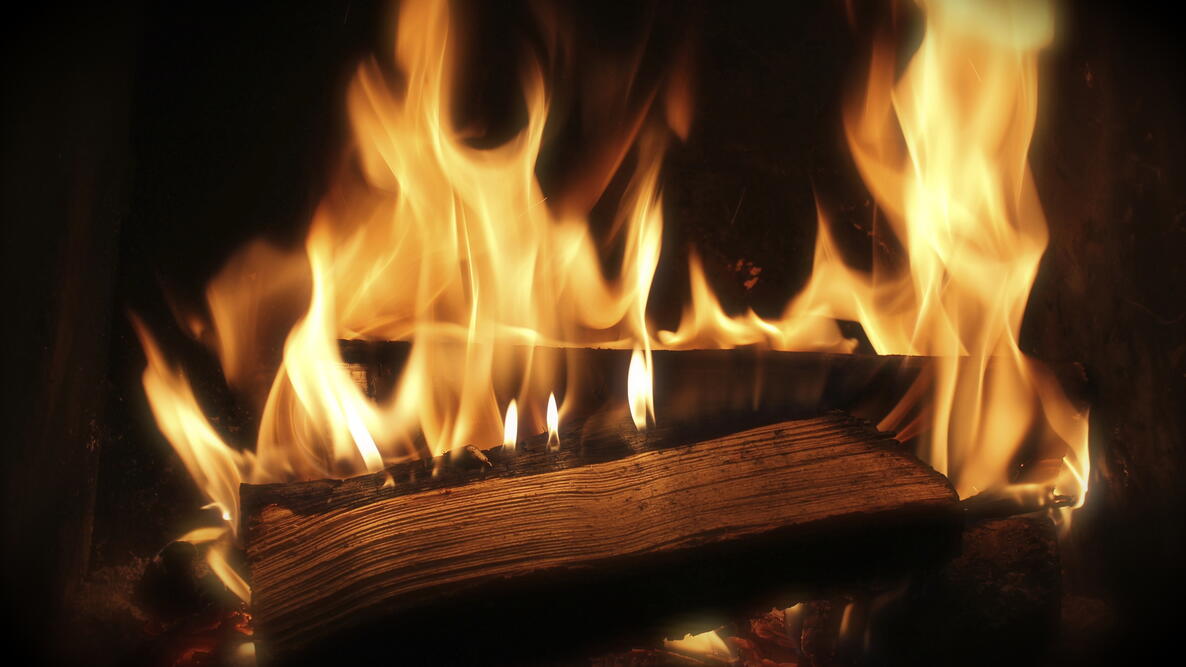
If you burn firewood, you have wood ashes. Don’t throw them out! There are many surprising ways to use ashes around the home and garden. Here are five practical ideas.
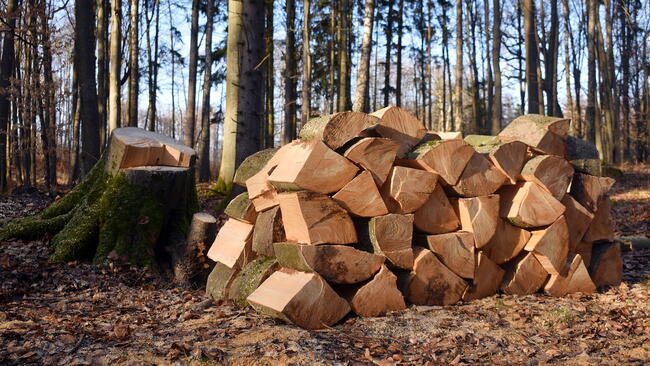
Each cord of firewood you burn will leave you with about 20 pounds of ashes or more, depending on your fuel source, heating appliance, and wood-burning skill.
Instead of putting them out with the trash, use your ashes in and around your home and garden!
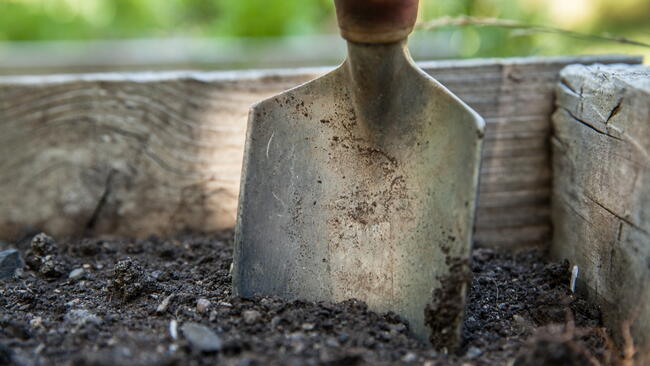
1. Amending Lawn and Garden Soil
Wood ash is a readily available source of potassium, calcium, and magnesium, which are essential for plant health. It’s a common way to increase your soil pH.
However, it is very important to know when to use wood ash and when NOT to use wood ash.
The answer to that question comes down to: What is your soil pH? Get a free soil test. (See how to take a soil test.) Soils in the pH range of 6.0 to 7.0 is optimal for most lawns and garden plants. Note: Select plants prefer a soil with a lower pH (acidic) and certain plants grow better in soil with a higher pH (alkaline).
When to Add Wood Ash
Add if your soil pH is too low (falling below 6.5). This reduces magnesium and calcium availability. For example, tomato blossom end rot is caused by a lack of calcium in the soil.
When Not to Add Wood Ash
Do not add wood ash if your soil is already alkaline, with a pH greater than 7.0. In alkaline soil, wood ash will hurt your plants and even kill them. Many plants can not take up nutrients if the soil pH gets too high. Trees will have yellow leaves (chlorosis), and some vegetables and fruit trees will also suffer. Elemental sulfur is used to lower soil pH.
If your soil is already in the optimal range (6.0 to 7.0), you do not want to mess with the pH.
Don’t apply ashes around acid-loving plants such as blueberries, rhododendrons, azaleas, and holly since wood ash will raise the pH and make the soil less desirable to those plants.
How to Use Wood Ash in the Garden
Wood ash is similar to lime (ground limestone or calcium carbonate), which also increases soil pH. However, unlike limestone, which can take 6 months or more to change soil pH, wood ash is water-soluble and changes the soil pH rapidly. Apply roughly twice as much ash by weight as the recommendation for limestone.
Soils already in the optimal pH range of 6.0 to 7.0 can handle 20 pounds, or one 5-gallon pail, of hardwood ashes per 1,000 square feet annually without raising the pH unduly. Do not apply more than 20 pounds, as high rates of wood ashes may cause short-term salt injury. Be careful when adding wood ash to your garden.
Wear eye protection, gloves, and a dust mask, and broadcast the ashes evenly on a dry, windless day. Mix them into the soil thoroughly before planting. Hose off any ashes that settle on actively growing plants to prevent burning the foliage.
More Ways to Use Wood Ash
Our ancestors learned to make lye, a caustic cleaning agent, at least 5,000 years ago by running water through wood ash, eventually learning to combine it with animal fats and water to make soap. Early Americans used ashes or homemade lye water for scrubbing wood floors, laundering clothes and bed linens, and soaking fresh-killed hogs to help remove the hair. For centuries, potters and ceramicists have used wood ashes to create beautiful glazes. Take a look.
Here are a few more suggestions for modern use:
2. Repel Slugs
Wood ashes sprinkled lightly around susceptible plants irritate slugs’ moist bodies and repel them. The repellent effect disappears after rain or irrigation dissolves the ashes. See other ways to deter slugs.
3. Melt Ice and Provide Winter Traction
When spread on walks and driveways, wood ashes will melt ice and provide traction. They don’t work quite as well as salt, and they can be messy if you don’t take steps to prevent the ashes from getting tracked into the house. But they’re free, and they won’t damage animal paws or paved surfaces.
4. Reduce or Remove Oil Stains
As a desiccant, wood ashes are very good at pulling liquids from other materials, including hard-to-clean surfaces such as asphalt, stone, and cement. Sprinkle wood ashes on the stain, and they will absorb any surface liquids. For tougher stains, sprinkle on wood ashes and then use an old rag to scrub the stain.
5. Clean Glass and Metal
It may be hard to believe, but hardwood ashes make fast work of grease, grime, and tarnish on glass, silverware, ovenware, grills, and glass stovetops, as well as gummy residues left by stickers and labels.
Dip a damp cloth in wood ashes or make a thick paste of ashes and a little water, scrub lightly with a cotton cloth, and rinse away with plain water and another cloth. Wear gloves for these scrubbing tasks to avoid caustic burns.
Be Safe!
As with all aspects of wood heating, use vigilance and common sense in handling and managing the ashes. Store them in a covered metal container set on dirt or concrete a few feet in all directions from any combustible surface.
Even though the ashes may appear cold, buried embers may remain live for days, even weeks.
Do you know any other uses for wood ashes? Let us know in the comments!
Margaret Boyles is a longtime contributor to The Old Farmer’s Almanac. She wrote for UNH Cooperative Extension, managed NH Outside, and contributes to various media covering environmental and human health issues.
In Asia wood ash is used for cleaning.It shines copper, brass and tin pots, pans and dishes. Dab some ash in a handful of straw or piece of rag and scrub the dirty containers.
We use the fine ash powder in the finger tips so it would make the threads roll smoothly and not be sticky when hand spinning threads from cotton balls.
Reply to comment
<span>Jerry Wynne</span>Wed, 10/22/2014 - 08:08
Ongoing argument about fireplaces in our historical past. When I talk to re-creators at historical sites they all say the same thing. Fireplaces wre NOT used primarily as a heat source. Most fireplaces were used for cooking and the heat they gave off was a bonus but wood was way more important to cooking than heating. Was this true of the average home as well. Tks in advance JErry
Reply to comment
<a title="View user profile." href="/author/margaret-boyles">Margaret Boyles</a>Thu, 10/23/2014 - 07:41
The traditional fireplace is a notorious heat sink, Jerry, sending more heat up the chimney that it radiates out into the room.
It can also spew smoke and spit sparks into the living space.
Living in a state that's 85 percent forested, I'm a huge fan of wood heat. I live in a house heated exclusively by wood. In the winter, we cook with wood (kitchen cookstove) and dry our clothes on racks set up by the woodstoves. In spring, we spread the ashes in the gardens to raise the pH of our soil.
For the sake of efficiency, safety, and versatility, I much prefer an EPA-certified stove that's sized, located, and installed by a professional. Mos of them are sleek and attractive, and many have glass doors that allow fire-viewing.
Reply to comment
<span>Sharon Brown</span>Sat, 06/04/2022 - 11:51
Our house is heated with propane, which was eating us out of house and home. Two years ago we installed a wood stove in our living room and have only turned on the propane furnace twice - once each fall to verify that it’s still in good working order. We now heat our 1600 sq. ft. house entirely with the wood stove. Great investment.
We will try using the ash to clean the glass in the door. Thanks for the tip!
Reply to comment
<span>Alisa</span>Fri, 08/02/2013 - 16:17
Can charcoal ash from my BBQ be used in the same way?
Reply to comment
<a title="View user profile." href="/author/margaret-boyles">Margaret Boyles</a>Tue, 08/06/2013 - 18:39
Experts recommend using only hardwood ashes from wood-fired heating or cooking appliances in horticiultural setting.
I wouldn't risk using your charcoal ashes in and around lawns or gardens, Alisa. Don't use them to make soap, either. You don't really know what chemical additives or other materials might have gone into the production of your BBQ briquettes.
ash solution is a good conductor of electricity it can also store electric charges and be used in batteries
Reply to comment
<a title="View user profile." href="/author/margaret-boyles">Margaret Boyles</a>Thu, 09/19/2013 - 09:52
Interesting! New information for me.
I found this short YouTube link describing the process of making a small battery with wood ashes and charcoal: bit.ly/16bD7A8http://
Here's a longer video, which describes making homemade batteries using lye (from ashes) as the alkaline electrolyte: bit.ly/16bD7A8
Reply to comment
<span>D Whitlock</span>Sun, 01/29/2012 - 23:38
Good to know, Margaret! I am using my fireplace more now to save on heating oil cost. I will definitely try some of these!
The description of your life sounds really interesting!
Reply to comment
<span>My94Fb</span>Wed, 01/25/2012 - 19:48
Margaret,
Wonderful article. My grandmother recently shared stories with me about her family using their wood ashes for many of the same things you describe. I have been adding mine to our garden this year (after I did a soil test) and plan to have a little fun trying to make some soap while it's still too cold to go outside & play. Thanks again!
Reply to comment
📣The Gardening Club Just Got Better! 3 Deliveries, 10% Store Discount, and more!



Comments