Primary Image

More Like This




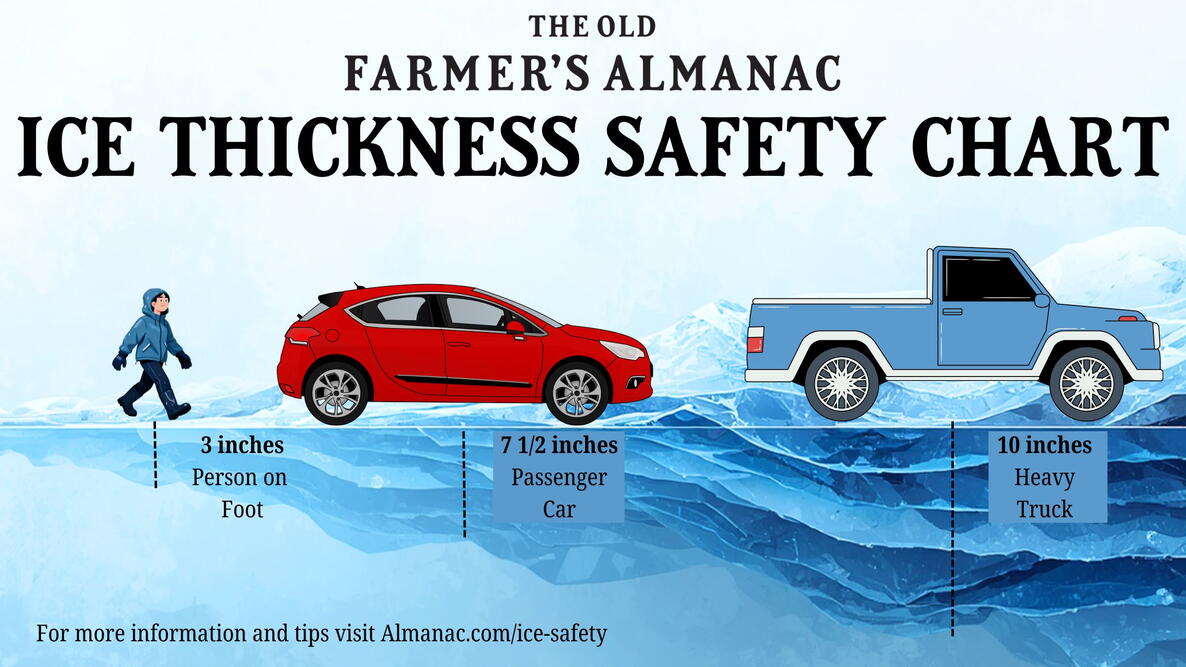
I realize that my fears are probably completely ridiculous, but I live right on the banks of a river and my city curates walking, skating, and cross-country ski trails on it. I assume that they're measuring, and I frequently see lightweight vehicles driving down the skating trail (which is in the center and almost certainly where the ice would be thinnest) to clear off the snow, so I know that the ice is thick enough to support the weight of that vehicle. Even so, sometimes when I'm walking or skating, the ice will make cracking sounds that I find extremely alarming. It's been VERY cold here lately (like, -30 Celsius and lower), so I also know intellectually that it's almost certainly too cold for the ice to be in any danger of melting, yet the cracking sounds scare me. Is there anything you could tell me to reassure me that this is normal or something? The river itself is shallow, especially in winter (maybe 20' at the deepest, more like 8' at the shallowest), and there are places where you can see that the ice is at least a foot thick. All the same, I nearly have a heart attack every time I walk over a spot and it starts making those cracking sounds. Reassure me??
At those Temps for a couple weeks you are as safe as ice gets the cracking sounds are likely the pressure of new ice forming or barely shifting from you walking on. Often sound like an electrical type sound of dune dune dune. Happens all the time when I am fishing on ice. But still is spooky no matter how many times I hear it.
Those are just pressure cracks that you hear basically it is making the ice stronger. You are sick but be very careful with ice on a river, as there is always moving water underneath and may not always need to see this even with extreme cold temperatures.
River ice is more dangerous than flat water ice. In addition to the risks mentioned in other replies (especially flow), river water can and commonly does change levels after freezing. When cold weather continues for a long time, streamflow diminishes, the water level falls, and a shelf of ice can be left hanging in mid-air.
Water level in a river may also be controlled by upstream or downstream dam effects that you are probably not be aware of. When I read about people falling through ice, it is usually on a river. I have fallen through ice once, while snowshoeing over a flowage in a marsh. It was only waist deep, but the bottom was very slippery, and the current threatened to pull me under the ice. Also, my snowshoes got entangled in vegetation. Personally, I only go on river ice if I can walk along recent tire tracks! BTW, if you ever do hear lots of cracking as you step forward and feel it give, immediately lay down flat on the ice and creep back in the direction you came from!
If you see plow trucks on it clearing the ice then absolutely nothing to worry about
Ive been through ice twice there will not be a third time.
I basically do not go on it.
Ive been on ice once in last 50 years there was a helicopter landing on it and other people on it. I did mot venture too far.
If it makes you nervous that bad, best to just stay off
You can walk and even fish on 2" of ice. Ice fishermen will even carry long iron bars to test ice thickness early in the winter. 8 or 10 or 12" of ice is not just going to 'crack open'. Yes the sounds are scary. But - the riskiest times are early ice, late ice, ice near moving water/current, and bad condition ice. Think of an ice cube - that type of ice is called blue ice and is very very strong. You will not fall through 2 inches of blue ice. But there is also white/crumbly ice...crusty ice...this isn't very strong stuff at all. When in doubt take an ice chisel/spud bar out to check the ice in front of you!!

Ice cracks when it expands or when it contracts. As long as the ice your on is thick enough near shore, you should be fine. But follow your instincts! Nothing is worth falling through the ice.
I plan on ice skating on a derby lake, lake Cornelia in Iowa, this winter. I'm worried about ice thickness. how can I tell if ice is at least 4 inches?
Hi, Beltran: The best thing to do would be to chip away or drill a test hole in a shallow place near the shore, bearing in mind that ice can still be thinner farther out, where there might be springs, currents, or pressure cracks. Have fun and thanks for asking! And be safe out there!
nearby, not derby lol
- « Previous
- 1
- 2
- …
- 10
- Next »
📣The Gardening Club Just Got Better! 3 Deliveries, 10% Store Discount, and more!

Comments