For daily wit & wisdom, get the Almanac newsletter.
Gardening Advice
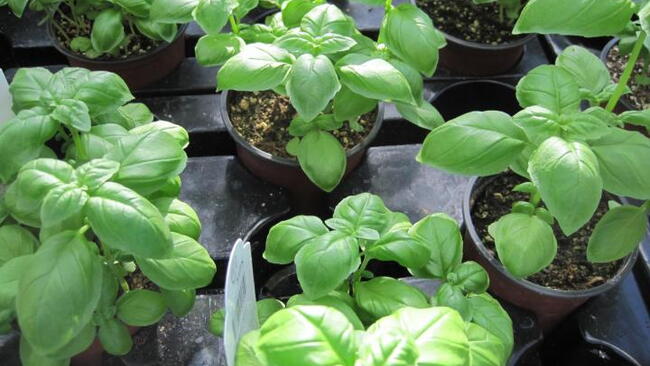
Every year, we plant about a dozen varieties of basil, but I’m told there are over 150 species to choose from! So many basils, so little thyme! Here are some types of basil that I’m crazy about.Types of Basil to Grow Genovese Basil‘Genovese’ is my all-time favorite because it makes an awesome pesto and has lots of real Italian basil flavor.
Genovese Basil (Ocimum…
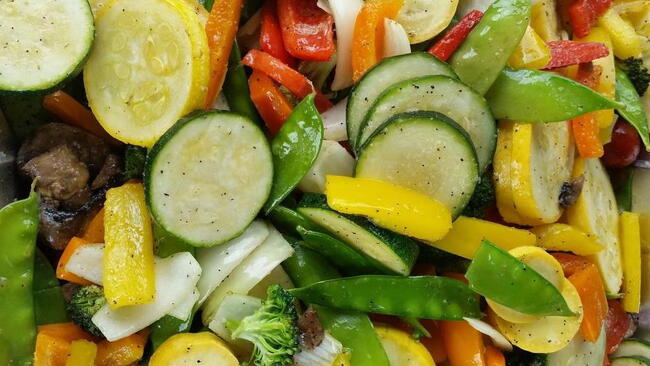
Is it healthier to eat vegetables raw or cooked? The answer depends on the vegetable. Some vegetables retain more nutrients when eaten raw, while cooking can make other nutrients easier for your body to absorb.Cooking can soften fiber and make some vegetables easier to digest, but heat and water can also reduce certain vitamins. On the other hand, cooking can increase the availability of…
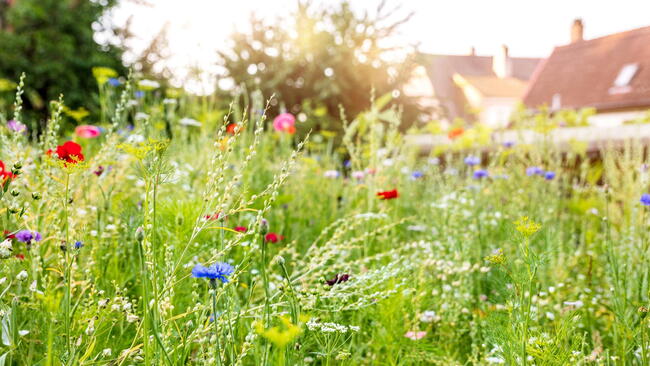
As more people add pollinator-friendly plants, they might hear criticism about the look of their “messy” yards. Here’s how to handle crabby neighbors, HOAs, and town officials while adhering to ordinances and laws.You might get a visit from the “plant police.” The fault-finders often don’t realize that those “weeds” are actually native plants that require less water and pampering than…
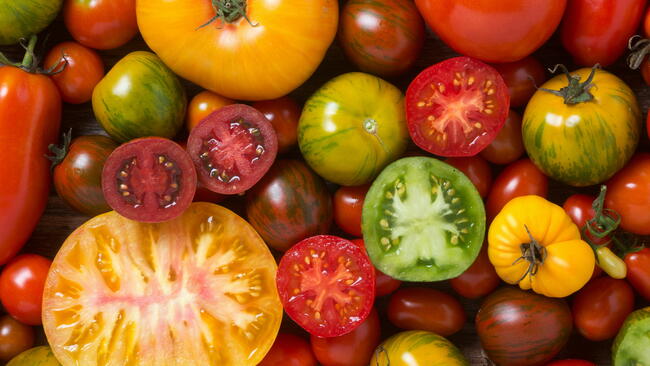
It’s that magical time of year when your tomato plants look like they’ve exploded in color—red, green, yellow, and orange. Instead of letting a few “wrinkly” or cracked tomatoes go to waste, learn how to rescue, ripen, and roast your way to a garden-to-table feast.Rescuing Imperfect TomatoesTomatoes do not need to be those perfect, round (and often tasteless) specimens you find in the…
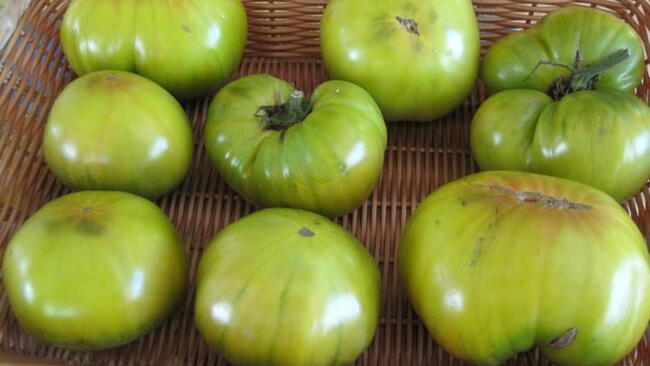
Not all green tomatoes are “unripe.” While most of us wait for our tomatoes to blush red, some varieties like ‘Aunt Ruby’s German Green’ and ‘Green Zebra’ stay green, bringing bold flavor and color to your kitchen. Think of them as the sneaky rebels of the tomato world—ripe, ready, and begging to be sliced for sandwiches, salads, or fried delights.If you’ve had an unripe red tomato, it’s…
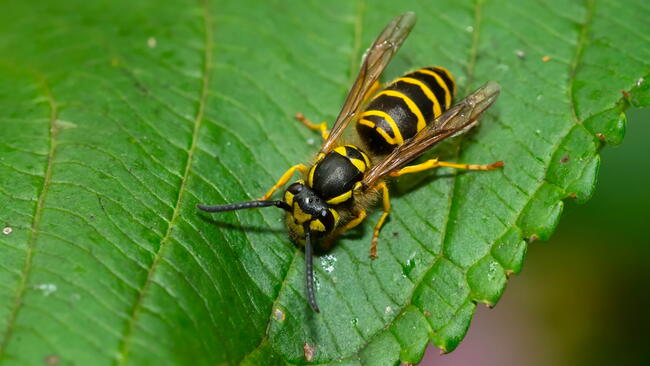
By late summer, many gardeners notice yellow jackets, solitary ground wasps, and fire ants becoming much more aggressive. As flowers fade and insect colonies reach their peak, these stinging pests become more defensive and more likely to cross paths with people. Here’s why stinging insects are so active from August through October—and how to stay safe while working in your yard and garden…
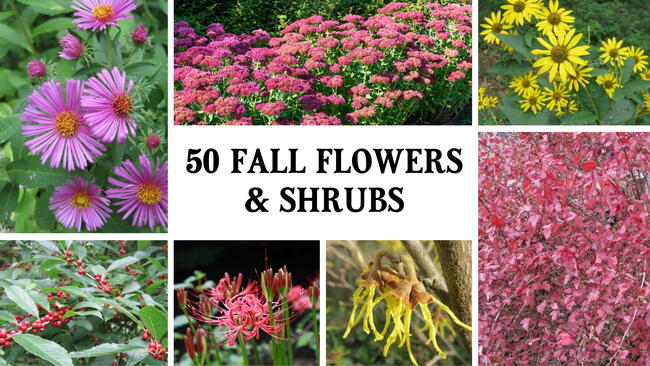
Who says summer has to take all the glory? Just when you think your garden’s show is over, fall blooms crash the party with fiery reds, golds, and purples that steal the spotlight. From surprise lilies popping up like magic to shrubs flaunting their fall fashion, here’s your ultimate guide to 50 plants that keep the color coming well into the crisp days of September and October.Foxglove that…

There isn’t a single miracle cure for garden pests—but there are plenty of effective ways to keep insect damage under control naturally. The best organic pest control starts with healthy plants, beneficial insects, and simple prevention. When pests do appear, homemade insecticide sprays and natural repellents can help reduce populations without relying on harsh chemical pesticides. Here are…
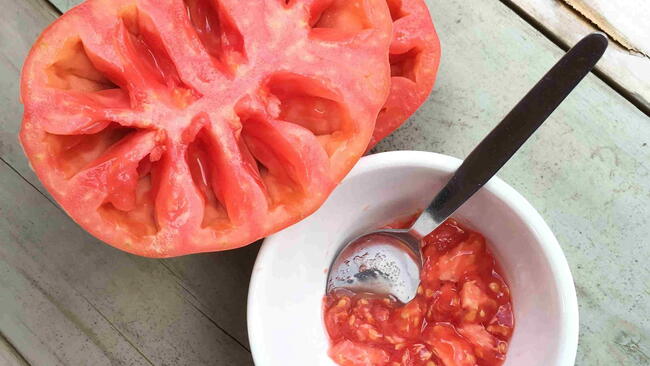
Love that one special tomato you grow every summer? Saving its seeds ensures you’ll always have it, even if it disappears from catalogs. With many older varieties fading out, seed saving is a smart, sustainable way to keep your favorites growing for generations—just like gardeners have done for centuries. Keep reading to learn how to save tomato seeds.How do you save tomato seeds?To…
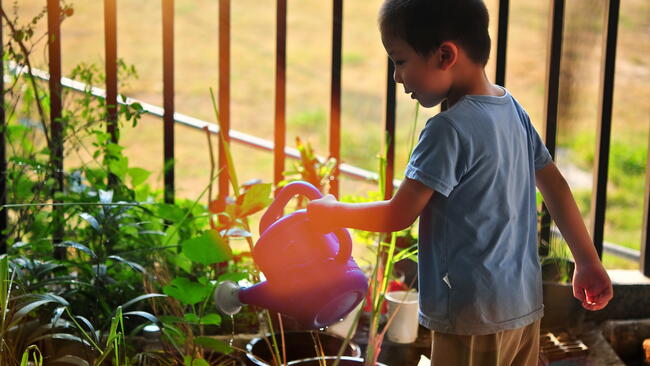
Summer garden care is all about keeping plants healthy, productive, and ready for fall. From watering and weeding to harvesting and planting new crops, a little midsummer maintenance can help your vegetable garden thrive through the hottest months.Your Midsummer Vegetable Garden ChecklistKeep Weeds Under ControlWeeding and thinning should be at the top of your to-do list.…
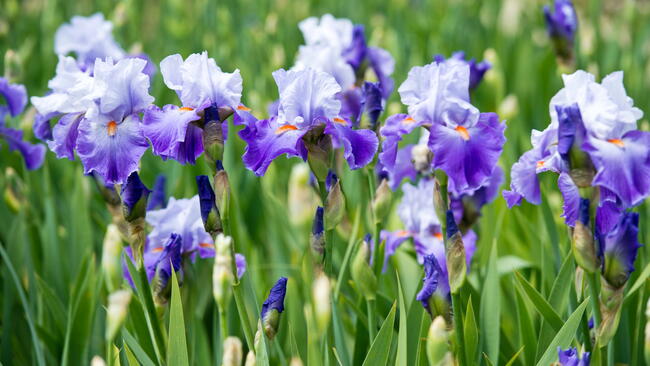
The blooming of the bearded irises is something I eagerly await each spring. This year, I made a mental note to divide and move the irises in late summer or early fall, after blooming. Here’s how to divide irises—with step-by-step pictures.Why You Should Divide IrisesEven though my irises were planted years ago and are terribly overgrown, the blossoms were still gorgeous this…
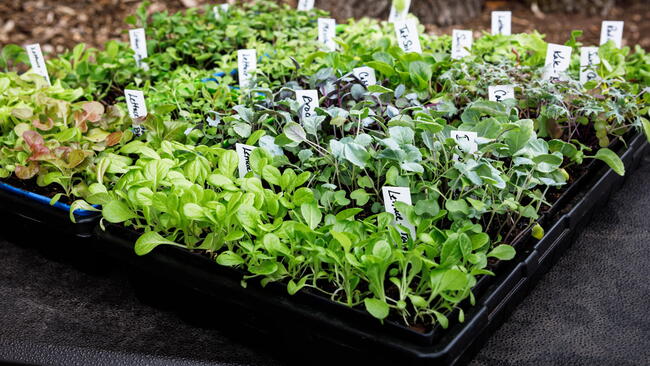
Think fall is the end of the gardening season? Think again. Late summer is the perfect time to plant cool-weather crop plants like spinaches, lettuces, and radishes—many of which taste even better after a touch of frost. Our guide reveals the best vegetables to plant now for a second harvest that’s crisp, colorful, and delicious.🌿 Planting for fall? Our Almanac Garden Club includes seasonal…
