For daily wit & wisdom, get the Almanac newsletter.
Gardening Advice
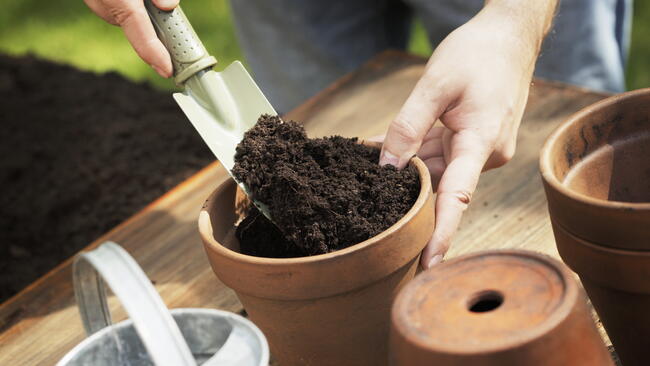
There is a lot of buzz out there about sterilizing the soil you use for starting your seedlings and potting them up, especially if you are reusing old soil. See how to sterilize soil in the oven, microwave, or pressure cooker. But let’s also ask ourselves, is this really necessary?Soil can harbor diseases, insect pests, and also weed seeds. If you purchase new potting soil, it’s considered…
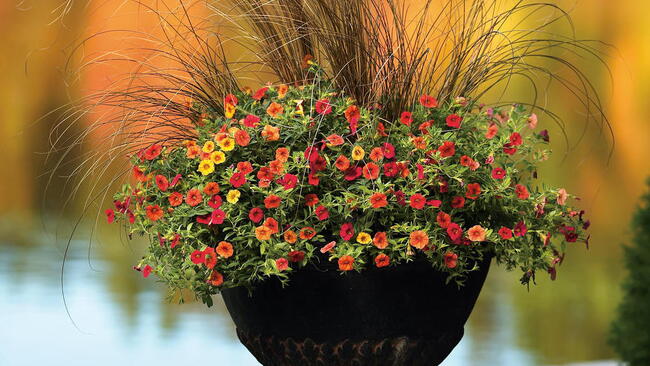
Summer’s over! Time to breathe some new life into your landscape with fresh fall containers. Remove those tired summer annuals that have finally given up the ghost and replace them with something new and cold-hardy. Here’s a list of cool-weather plants for those fall containers.Many of the plants that gardeners in colder areas grow as annuals are actually tender perennials hardy in zones 8…
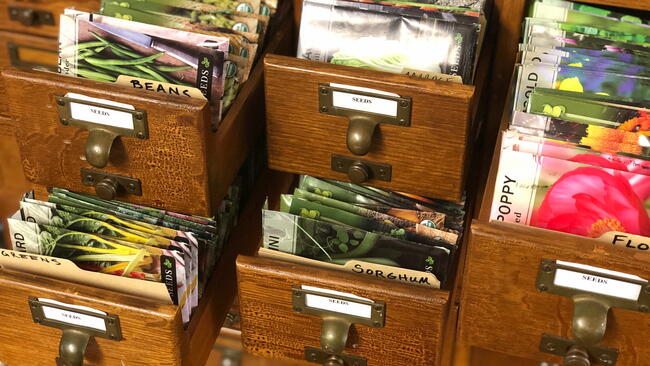
Libraries are not just for lending books. A rapidly growing trend is for libraries to offer seeds to their gardening patrons! You may be surprised to learn that there are a multitude of things available at your local branch beyond books. Depending on the need in your community you can borrow tools, appliances, medical devices including walkers, crutches, and blood pressure cuffs,…
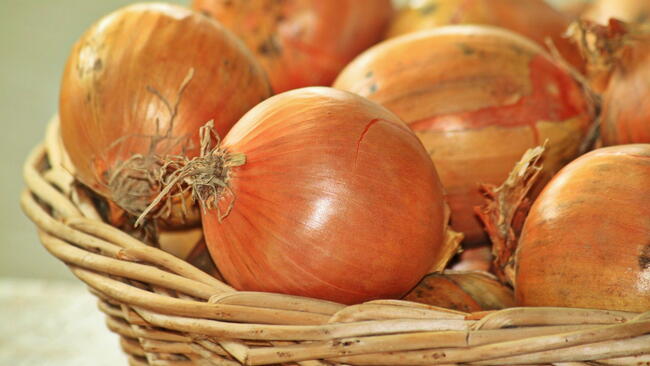
Now that you have grown and harvested beautiful fresh vegetables from your garden, how will you store them? Not everyone has access to a root cellar. Here are other ways to store your harvest to keep your homegrown fruits and vegetables ready to eat through the winter months!In our great-grandmother’s day, most houses had a root cellar or a cold storage room somewhere in the house.…
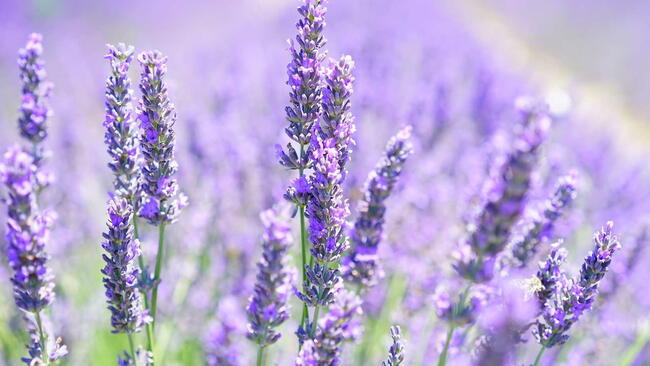
Lavender is happiest outdoors, but you can keep tender varieties in pots and bring them inside for winter. Winter care depends on the kind of lavender you grow, your climate, and how well the soil drains. Here are some lovely varieties and advice for helping lavender make it through the colder months.Is Lavender a Perennial or an Annual?Lavender is a perennial, sun-loving plant native…
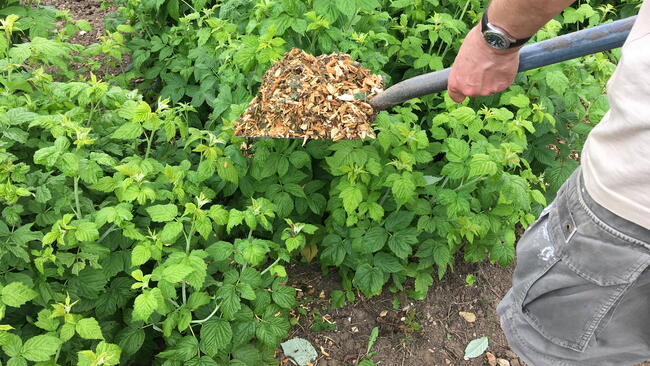
Time to mulch! Most of us know the amazing benefits of mulch in the garden. But when should you mulch? How much should you mulch? Can you mulch too much? What type of mulch is best? See our guide on how to mulch your garden beds and plants.Mulch has been called the gardener’s friend—and for good reason. In the spring, mulch retains moisture, suppresses weeds, and prevents…
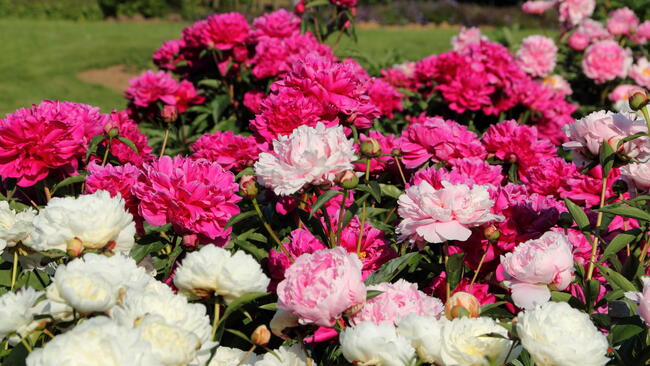
One of the most magnificent garden mainstays is the common herbaceous peony (Paeonia lactiflora). See reasons why peonies should be in your garden, plus 10 tips on planting and caring for these beauties. (Don’t forget to support their heads!)6 Reasons Why Peonies Should Be in Your GardenPeony plants are so long-lived that it is commonly said that peonies will outlive the gardeners who…
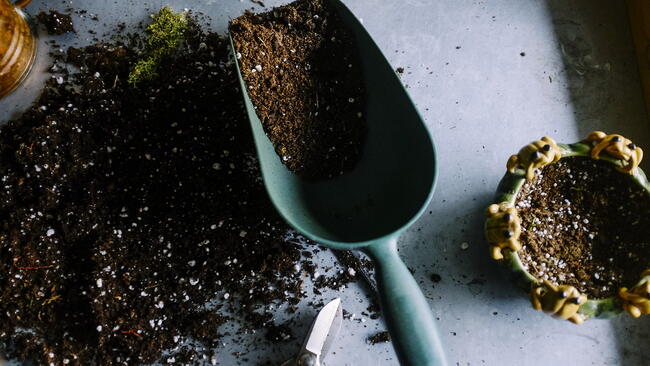
Learn how to make your own soilless potting mix at home! Commercial bagged soils are pricey, and if you use a lot, can add up to significant costs. They also vary greatly in quality and, in some cases, their fertilizer strength can be toxic to plants and cause burns to plant roots. It’s satisfying to make your own mix to give your plants a healthy start—and it leads to fewer headaches. Here’s our…
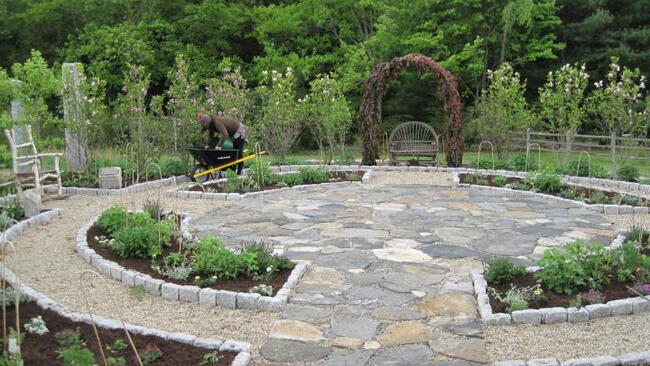
Most of us know that gardening benefits our bodies and makes us happy. Even so, it’s very cool to see how research backs up why gardening improves both your mental health and your immune system! If you’re resolved to live a healthier lifestyle, eat better, and exercise more, gardening can give you all of these. Many studies have shown that gardening improves people’s health and…
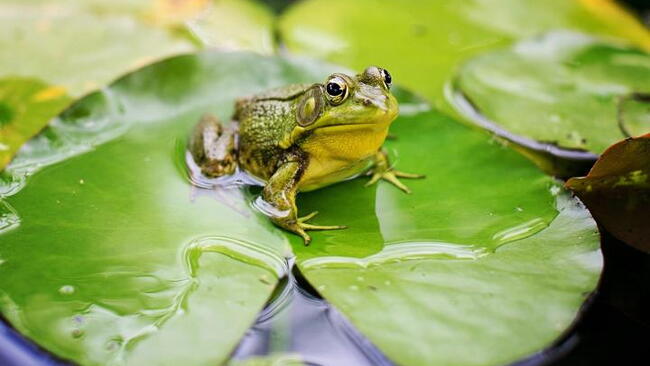
When we talk about beneficials for the garden, don’t forget about frogs and toads. Both are total carnivores, eating grasshoppers, beetles, cutworms, flies, slugs, and all kinds of insects. They will not eat your plants! See how to attract these “good guys” to the garden.All toads are frogs but not all frogs are toads. There are 3 types of frogs:Toads are frogs with dry thick skin…
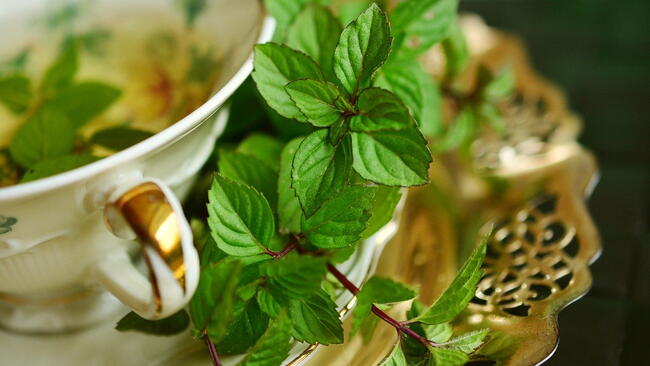
We always seem to have extra herbs on hand. Here’s an idea: Dry some of those leaves and use them for tea! We’ll show you how to dry herbs and make a full-bodied cup of tea.Grow Your Own Herbs for TeaI really enjoy growing herbs, especially what I call “calming herbs,” which help with stress and anxiety. So, it makes perfect sense to use these calming herbs in teas. Chamomile,…
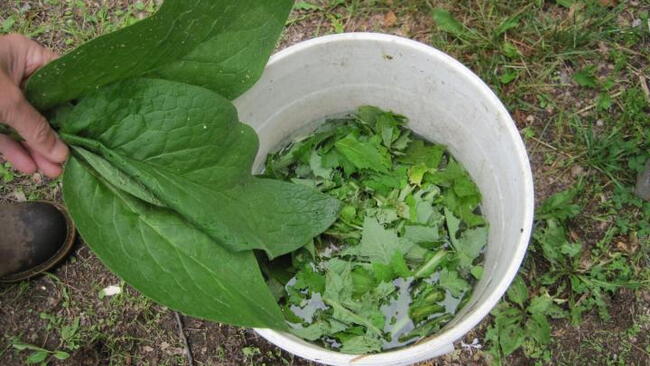
Feed your plants—with other plants! It may sound strange, but you can use your own weeds and grass to make homemade fertilizer tea that’s 100% organic. It’s a great boost for your plants in midsummer when soil fertility is running low. Here’s how to make fertilizer tea at home.Yes, garden plants appreciate a spot of tea now and then, too—just like I do—as a pick-me-up. No expensive Earl…
