For daily wit & wisdom, get the Almanac newsletter.
Gardening Advice
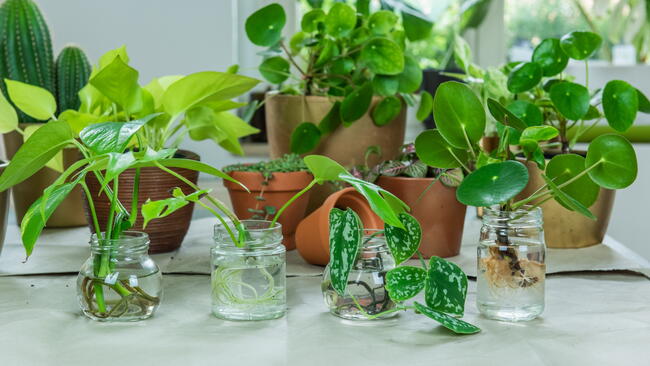
Late summer and fall is the ideal time to take cuttings of many plants! Many of our favorite tender plants (such as coleus and geraniums) may not survive winter. It’s fun and quite satisfying to multiply your favorite plants—for free! Learn how.One of my favorite aspects of gardening is plant propagation. Whether it’s from seed or from a cutting, I love seeing a new plant emerge and…
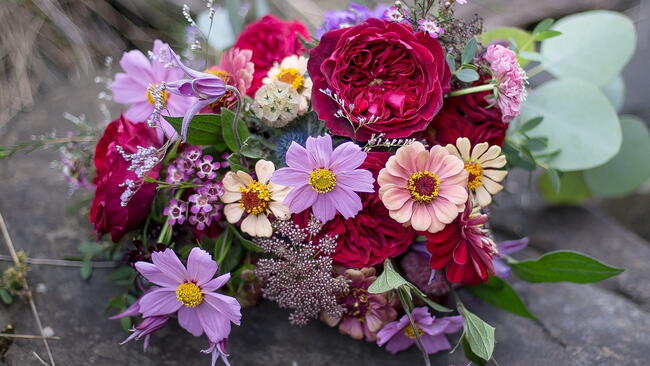
Here’s a foolproof approach to making a flower bouquet, whether you grow your own flowers or are selecting flowers at a local market. Also, see which flowers are best for long-lasting bouquets.In making a hand-tied bouquet, select flowers that have good stem strength, color, and vase life.Avoid boring bouquets! Try to pick a variety of flower forms, shapes, sizes, textures, and…
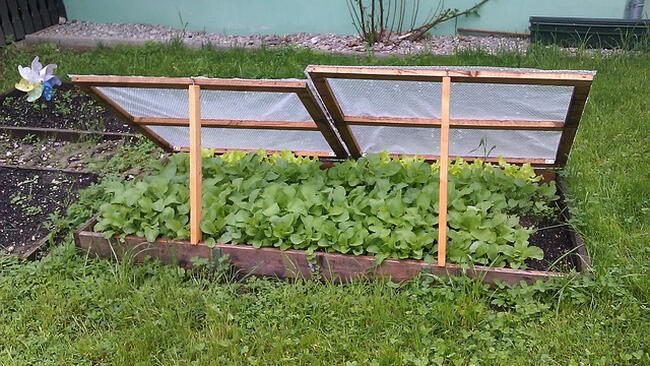
Imagine how many more vegetables you could grow if you just had a few more weeks of warm weather. That’s what season extenders are for. From plastic tunnels to floating row covers, here are my favorite ways to get a jumpstart on spring planting to lengthen the growing season!
In many areas of the country, the gardening season is in full swing, but spring is so fickle! While I always…
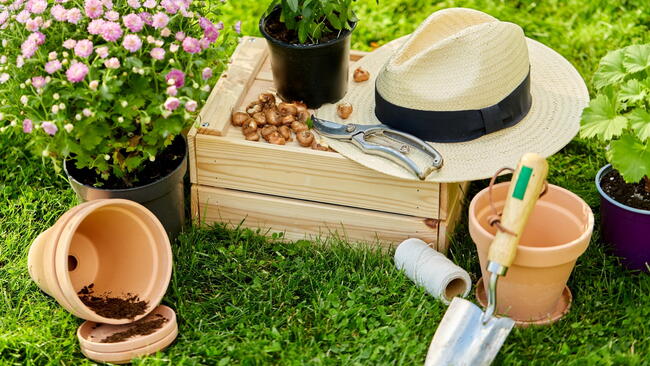
If you like to garden, be careful in extreme heat. Here are seven sensible tips to keep in mind during hot and humid weather. Whether you like it hot or not, it is important to be aware and take care while working outside.Gardening in the HeatI like hot summers, but I know that my opinion is in the minority when I hear my fellow gardeners complaining about the heat and humidity.…
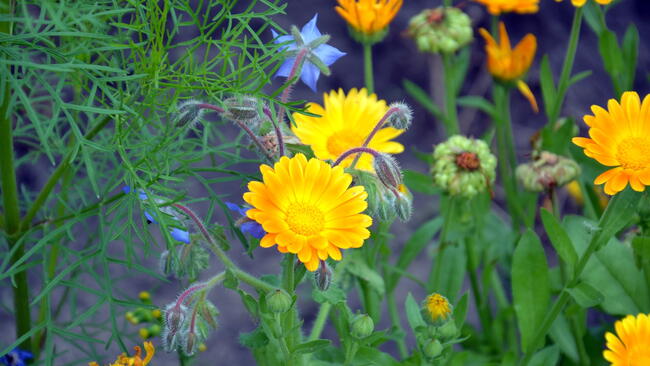
For years of blooms with little work, choose plants that reseed themselves! Here’s a list of 20 annual and perennial flowers that are self-sowing. As you are busy deadheading your flowers, take a closer look at the seed heads you are cutting off. Toward late summer, allow some of the seed heads ripen until they turn brown and split open.Your Self-Seeding GardenThe seed heads of…

Daisy-shaped flowers are the cheerful workhorses of the flower garden. Daisies remind of the sun and have an energizing effect on us. Since the daisy family, Asteraceae, is one of the largest plant families, there are more daisy-shaped flowers to choose from than any other shape! Let’s explore the different kinds of daisies from the classic to the colorful! The name daisy comes from the…
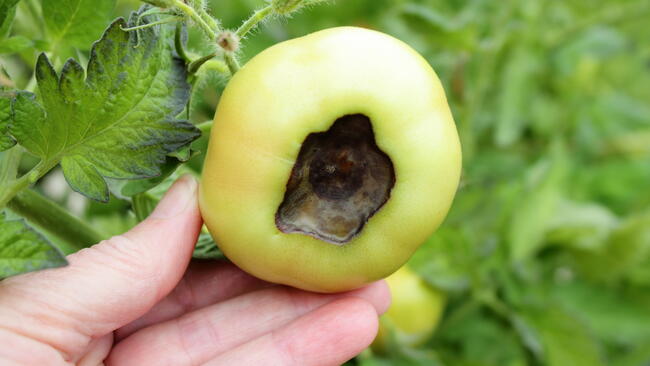
I say “tomayto” and you say “tomahto,” but however you say it, tomato time is here! Along with the luscious fruits that we gardeners await, we have the tomato disorders and diseases that the flesh is heir to—tomato flesh, that is.Blossom-End RotIn my area, we have had enough rainfall this summer so no problems with blossom-end rot this year. This usually begins as a sunken spot on…
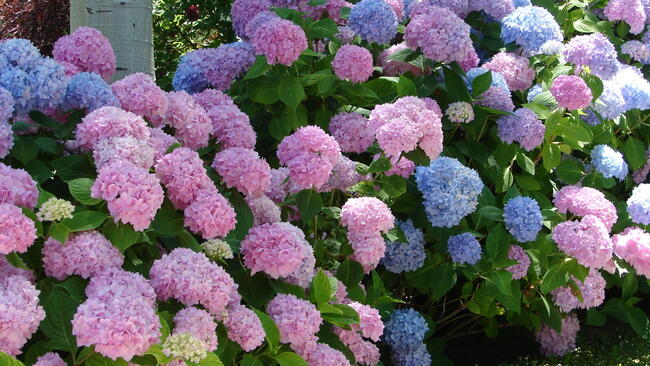
Though they are pretty foolproof plants, the most common problem gardeners have with their hydrangeas is failure to bloom. Need hydrangea help? Here are 5 common reasons for hydrangeas not flowering—and what to do about it!
5 Reasons Hydrangeas Don’t Bloom
Note: If you’re not sure what variety of hydrangea you have, reference our article with photos on hydrangea varieties.
1. Cold…
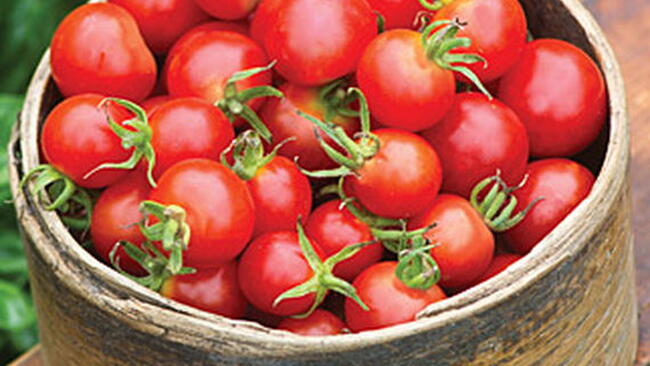
Don’t let a lack of garden space keep you from growing the foods you crave! Look for vegetables and fruit bred for small spaces and containers. Here is a short list of small plants with big yields, including cherry tomatoes, Little Gem lettuce, peppers, eggplant, and more. If you lack enough gardening land in a sunny spot, no worries. There are so many choices for small-space…
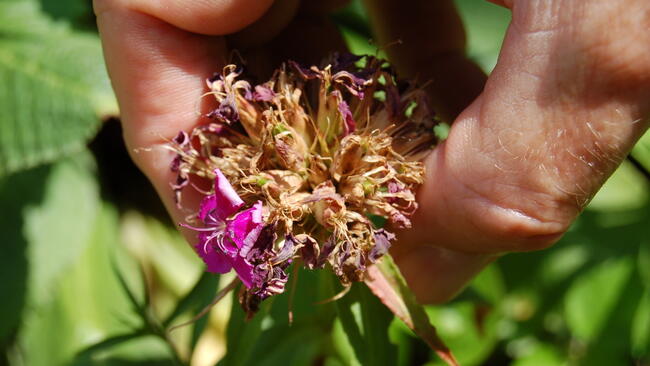
Regular deadheading encourages many plants to flower for longer. Here are four reasons why you should deadhead your flowers—plus tips on how to deadhead flowers. What is Deadheading Flowers?The gardening term “deadhead” describes the simple act of removing “dead heads” of flowers. Removing spent, faded, or dead flowers is one of the best ways to extend the show so they keep re…
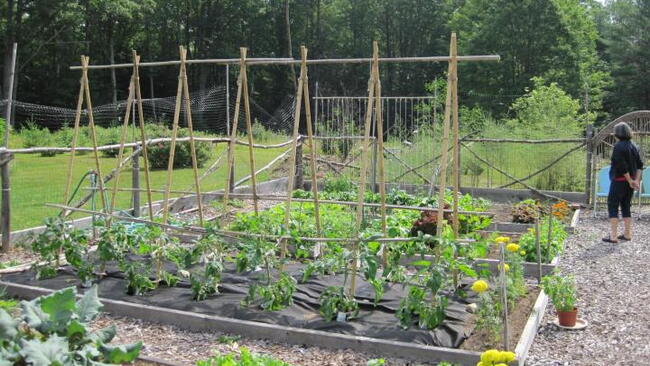
Once vegetables are up and growing, some of them need a little support, especially tomatoes, beans, cucumbers, peas, and peppers. This avoids problems and gives plants more sun exposure. A trellised plant can also provide shade for a crop like lettuce. See different ways to support your plants!We provide plants with support for many reasons: keep the fruit clean, avoid breakage under weight,…
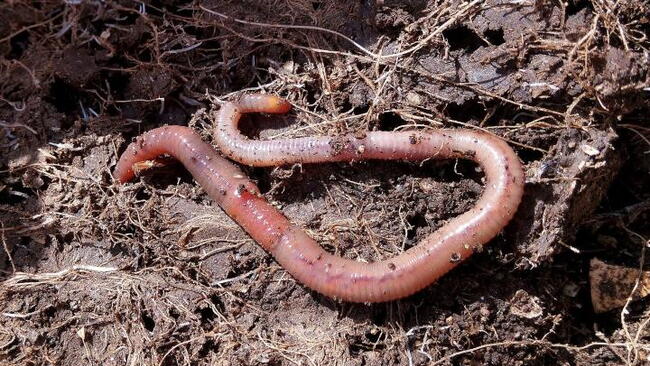
Called “nature’s plows,” earthworms improve garden soil drainage, making it easier for plant roots to penetrate the earth. Earthworm casts also improve soil structure and nutrient availability—which increases garden productivity! Find out how to attract earthworms!
Worms can absorb oxygen through their skin, can eat their own body weight in soil, and—despite having no eyes—navigate by…
