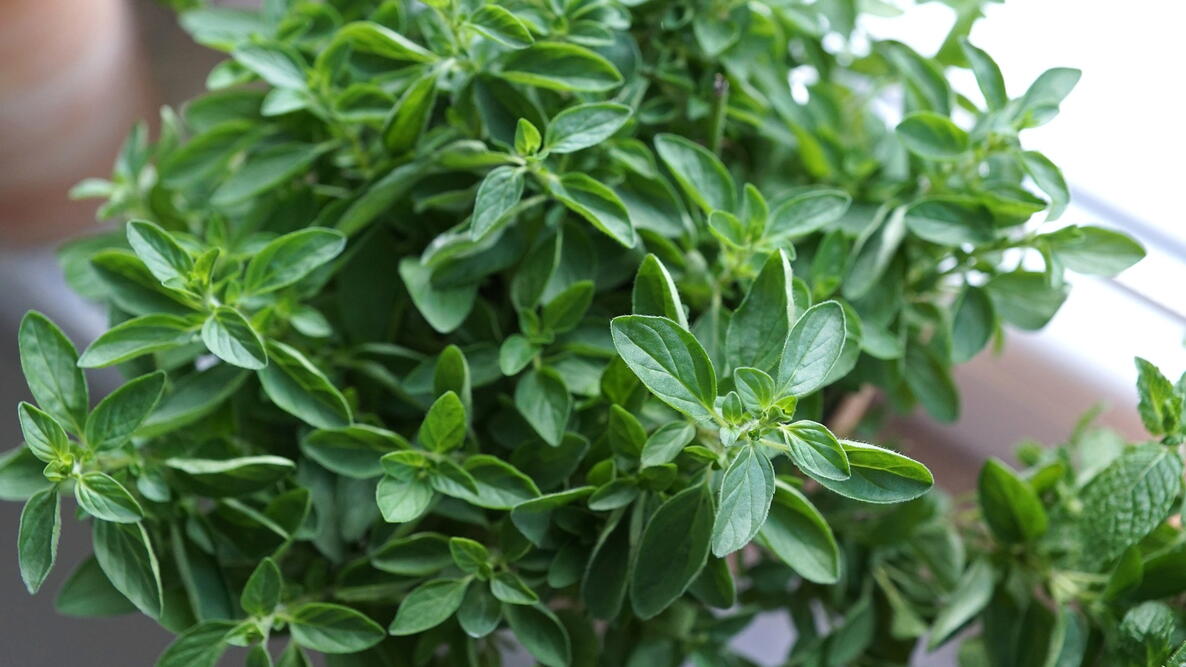
Types
- Greek oregano (Origanum vulgare subsp. hirtum) for cooking
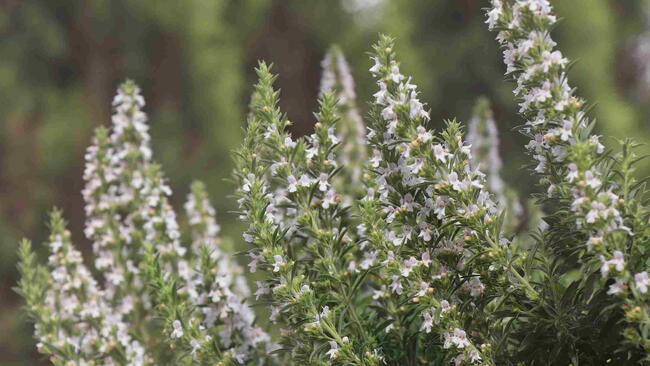
- Common oregano for decoration (its white-lavender flowers look pretty in the garden and are also used in wreaths)


If your plant were moldy, it's more likely to have white or grey spots. Are they really black or brown or dark green? Without seeing them, it's difficult to be certain, but they are probably dry.
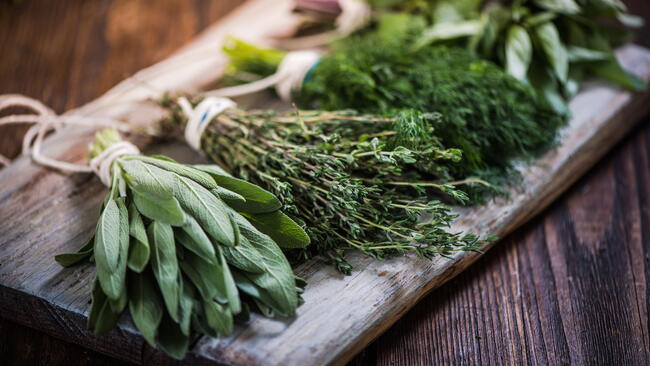
Fit for consumption? This is also difficult to say at a distance, but here's a thought: It is advised to cut green stems in fall and hang them to dry in a cool, dark, well-ventilated place. When the leaves become dry, it is advised to remove them from the stems and store them in containers. Does this sound like your treatment? your leaves?
You might crush a few, and smell them. Assuming they were not damp, display no mold, and crush (not mash as rotted or damp leaves might), they are probably fine.
Leaves on oregano can be used at any stage of growth. In fact, cutting back blooms will stimulate growth.
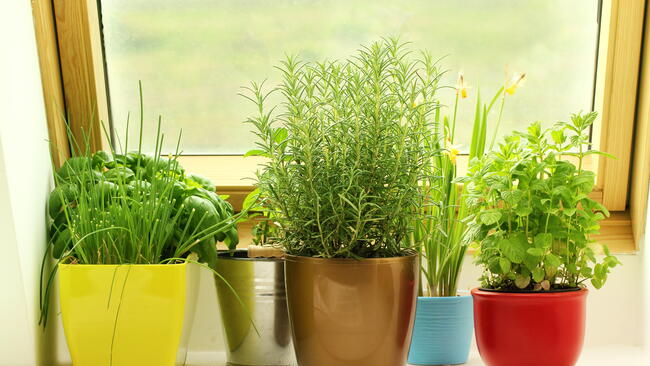
Is this plant oregano (and therefore a perennial)? Was the plant transplanted directly into the ground during summer, or kept in a pot? The plant could be under stress for various reasons--could be transplant shock, from potting up from the outdoors and moving to an indoor location. If so, the plant might recover after a while. Also, some plants go dormant in winter, although gardeners usually can get oregano to produce throughout the colder months on a windowsill. Check for insects that may have come in on your plant, and monitor for disease. If you think the plant is not getting enough light, add grow lights (available from garden centers). Make sure you are not watering too much (allow soil to dry a bit between waterings), and that the pot has good drainage. Also check if it is too close to the glass or in a cold draft. Hope this helps!
You should harvest only the leaves. If you are harvesting the entire plant, let the flowers set your schedule: Harvest just before the buds open. (If you happen to miss that this year, no worries.)
- « Previous
- 1
- 2
- …
- 10
- Next »

Comments