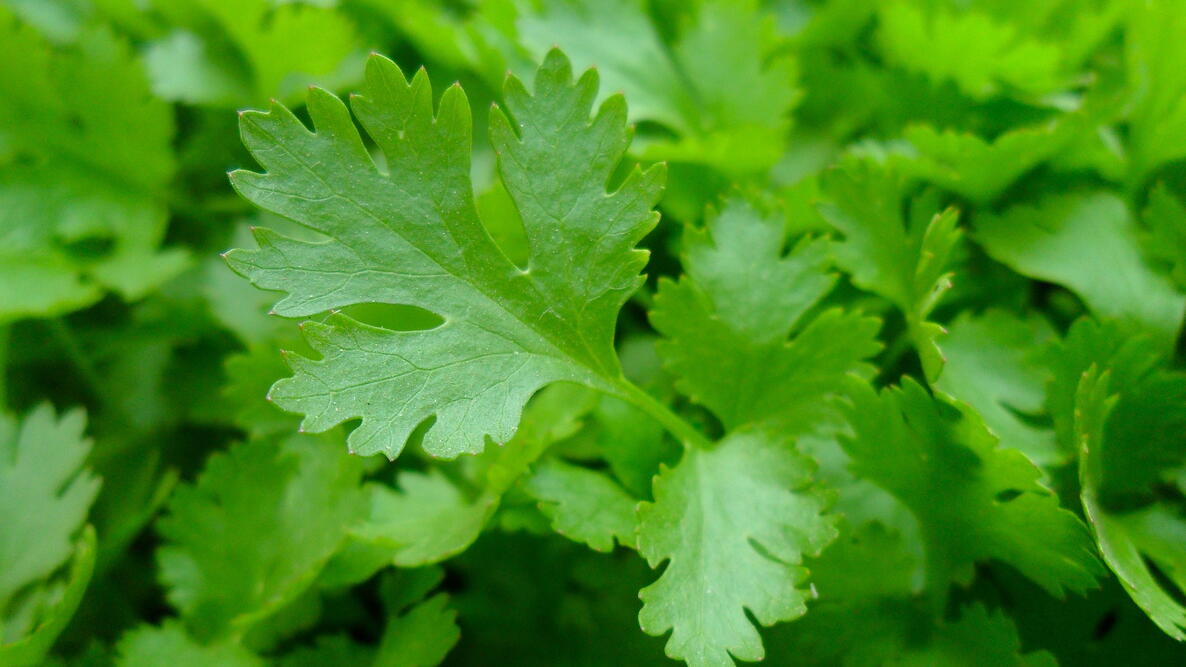
Caption
Learn how to plant, grow, and harvest parsley in your very own garden.
Planting
When to Plant Parsley
Parsley seeds can be started indoors or sown directly in the garden. However, the taproot of parsley plants is delicate, so take extra care if transplanting!
- For a head start, plant seeds in individual pots indoors 6 to 8 weeks before the last spring frost date.
- Sow seeds outdoors 3 to 4 weeks before the last spring frost, as parsley is a slow starter.
- For the best germination, soil should be around 70ºF (21°C), though parsley seeds will germinate in temperatures as low as 50ºF (10ºC). Learn how to warm your soil in the spring.
Where to Plant Parsley
Pick a spot that gets full sun (6+ hours of sunlight) and has well-draining soil that’s rich in organic matter. This herb needs more fertile soil than most herbs. Soil pH should ideally be around 6.0—slightly acidic.
Try to also choose an area that is weed-free; it’ll be easier to see the parsley sprouting.
How to Plant Parsley
- The germination rate of parsley seeds tends to be low, so consider soaking the seeds overnight before sowing to improve your chance of success.
- Sow parsley seeds 1/4 inch deep.
- Sow seeds about 6 to 8 inches apart. For larger plants, sow about 8 to 10 inches apart.
- Be sure to keep the soil moist while the seeds germinate.
- It can take 2 to 4 weeks for seedlings to appear.
- Tip: Plant radish seeds in the gaps between parsley seeds. The radishes will sprout and grow before the parsley appears, and the radishes will mark the row.
- Indoors, you can use a grow light to help seedlings grow. Make sure it remains at least 2 inches above the leaves at all times.

Types
- Flat-leaf varieties: Use in cooking because they have better flavor and are easier to work with than curly-leaf parsley
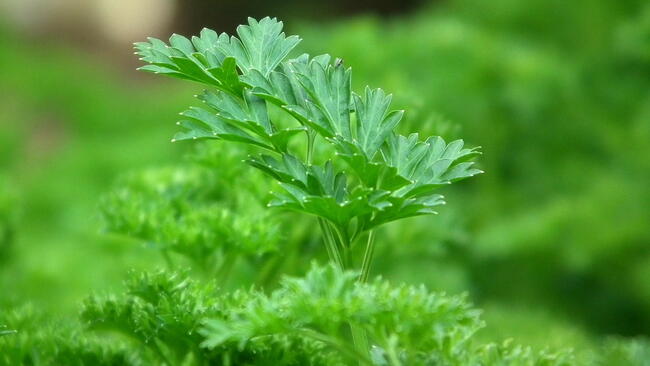
- Curly-leaf varieties: Use when you want a fancier garnish


I'm not sure what the pods might be. I'm guessing that these are smaller than the inch-long chrysalis of the eastern black swallowtail, right? Those caterpillars like to munch parsley, and may pupate there, emerging as a butterfly later on.
https://www.bing.com/images/search?q=chrysalis%20black%20swallowtail&qs=n&form=QBIR&pq=chrysalis%20black%20swallowtail&sc=6-27&sp=-1&sk=
Perhaps another possibility is that these little black pods are actually aphids, such as black aphids. Aphids are pear-shape and can look like pods, with tiny legs. Are the pods gathered along the stems and undersides of leaves? Usually, aphids don't move much, as they are all busy drinking sap, but if you disturb them, they will sometimes move slowly. While they drink sap, they excrete a sticky substance called honeydew. This substance are a favorite of ants, and sometimes ants will defend the aphids in order to have a supply of this honeydew. Honeydew can also develop sooty mold. If these turn out to be aphids, then you can spray them with a strong spray of water to knock them off. Repeat every few days.
You may have leaf spot which is maybe fungal disease. It can be treated with a fungicide made for edibles.We suggest removing the affected leaves, putting the plants in an area with good air circulation and watering so that leaves don't get wet.
The caterpillar/s was an early stage in the formation of the Eastern Black Swallowtail butterfly, an important pollinator. Plants in the carrot family—including parsley, dill, fennel, and Queen Anne's Lace (in the wild) as well as carrots—are its desirable host, and it eats only these, which contain furanocoumarins (chemicals in the seed coat). Some sources say that "infestations" of the larva are uncommon.
You could plant one or more of the hosts as an alternate lure. Or plant more parsley so as to have enough later. Or try row/plant cover, to keep the plants from becoming hosts.
We hope this helps.
- « Previous
- 1
- 2
- …
- 10
- Next »

Comments