Types
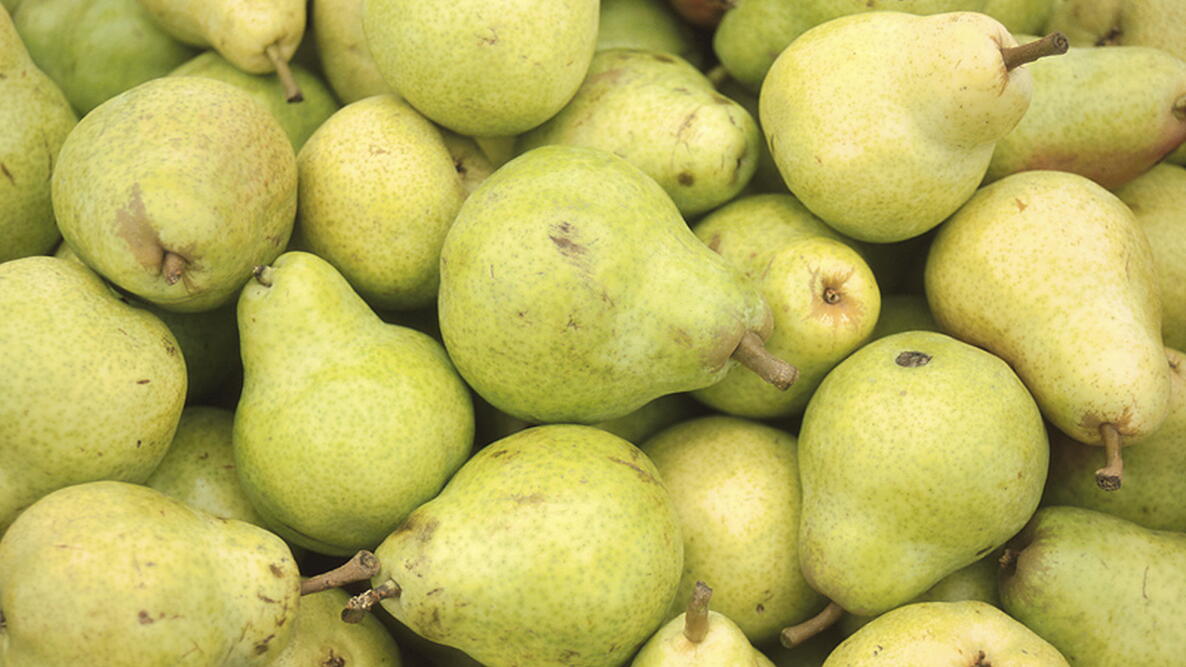
- ‘Bartlett’, which is the standard choice for pear trees. This tree type is average-size and produces medium to large fruits. These pears ripen to a yellow color. However, this variety is very vulnerable to fire blight.
- ‘Kieffer’, which is resistant to fire blight. This type produces medium fruit and can be used in canning.
- ‘Anjou’, which produces light-green fruit with a sweet flavor. This type is a good choice for late-blooming pears. Good for canning and fresh use. This type can store for up to 6 months with little loss in quality.

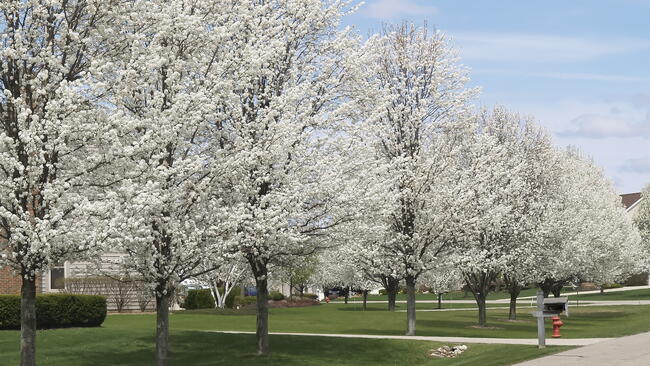

Hi, David: Thanks for this interesting and complicated question. Some types of pears--especially Bradfords--are well known for their prodigious, never-ending, and impossible-to-eliminate suckers, or vertical upshoots from their roots. The only thing you can do with these is cut them off as far down as possible, which you have done. We think that you seem to be asking whether, basically, the pear trees are sucking most or all of the moisture out of your soil and leaving none for the grass, thus killing it. While it's true that some pear trees can and do have extensive (and shallow) root systems, it is unlikely that they in and of themselves are the cause of your grass problems. Perhaps this is a case of some sort of soil deficiency (whether depth or nutrients), combined with climatic dryness? Another cause for this might be some sort of disease/pest in the grass. And, although unlikely, has the grass become too shaded by these or other trees? Our guess is that this is simply a question of watering. Thanks again, and good luck!
We are not familiar with the seed-color theory of when to pick pears but most of the experts we consulted recommend picking pears before they are ripe—specifically "when they are slightly immature"—so they will finish ripening off the tree. The general rule of thumb is that while still on the tree, ready-to-ripen pears will usually detach when "tilted" to a horizontal position from their usual vertical hanging position.
We hope this helps!
You raise a good point. Pears do not ripen on the tree; they ripen from the inside out, so that the center is mushy by the time the outside flesh is ready. Commercial pear growers will store their harvested pears at a cool temperature (30 to 31°F) before considered them fully ripened for selling and eating. For fruit harvested at the earliest maturity, Bartlett and Bosc will typically need cold storage for approximately 14 days, Comice 30 days, and Anjou at least 60 days. Actual times can vary somewhat from year to year.
Without this chilling process, a mature picked pear will just sit and sit and eventually decompose without ever ripening. The cold temperatures stimulates pear to internally produce their own ethylene gas which causes the ripening process.
However, you can also ripen pears by putting them in a paper bag as they'll give off ethylene and ripen themselves. Some folks say add a ripe banana or an apple which give off even more ethylene gas. Expose Anjou pears to ethylene for 4 to 6 days and you may be able to eliminate the chilling process.
- « Previous
- 1
- 2
- …
- 10
- Next »

Comments