Planting
When to Plant Salvia
Spring is the best time to plant most salvias, after the last frost.
- Potted salvia: Plant outdoors after the last spring frost. Some salvias survive winter and come back year after year. If yours does, you can also plant it in early fall, several weeks before the first frost. Check the plant label or ask your garden center if you’re unsure.
- Salvia seeds: Start indoors about 6 to 10 weeks before the last spring frost, depending on the variety. Check your seed packet for timing.
Find your local frost dates with our Frost Dates Calculator.
Where to Plant Salvia
- Sunny location: Most salvias are happiest with at least 6 to 8 hours of sunshine a day. In hot summers, some lighter-colored annual salvias appreciate a little afternoon shade.
- Soil: Choose a spot where water doesn’t collect after rain. Salvia doesn’t like sitting in soggy soil! Avoid low spots and areas where water runs off the roof. See our guide to improving soil drainage if needed.
Credit: Mark Herreid
How to Plant Salvia
To plant salvia from nursery plants:
- Start by loosening the soil about 12 inches deep. Remove any large stones or roots you come across. If the soil is heavy or compacted, work in a little compost.
- Dig a hole about twice as wide as the plant’s pot, but no deeper than the root ball. Gently remove the plant from its pot and set it in the hole, keeping the top of the root ball level with the surrounding soil. If you’re planting several salvias, leave about 1 to 3 feet between plants, depending on the variety.
- Carefully fill in around the plant, pressing the soil down gently. Water thoroughly, then add a light layer of mulch, keeping it away from the stems.
Growing salvia in a container? Use potting mix rather than garden soil. Smaller annual salvias can grow in pots about 8 to 10 inches wide, but larger plants need more room—often 3 to 5 gallons or more. Check the mature size on the plant label. Whatever you use, make sure the container has drainage holes!
To grow salvia from seeds:
- Fill a seed tray or small pots with damp seed-starting mix. Lightly press the seeds into the mix, following your seed packet’s instructions on whether to cover them.
- Keep the mix lightly moist, not soggy, while the seeds sprout. Once seedlings appear, give them plenty of light.
- When your seedlings are ready, help them adjust to outdoor life—this is known as “hardening off”—before planting them outside for good after the last spring frost.
Harvesting
When to Harvest
- Salvia flowers can be harvested for cut flowers and bouquets as soon as they begin to open.
- Harvest your salvias in the early morning if you can—flowers harvested then tend to last the longest!
How to Harvest
- Use sharp, clean pruners to snip the long flower stems free.
- Keep as many leaves in place as you can so the plants stay healthy.
- Try not to harvest more than one-third of your plant’s blooms at once. Pollinators like bees and butterflies rely on salvia flowers for nectar, so they need their share, too!

Storage
- Place your cut salvia flowers in a vase of fresh water as soon as you can, removing any leaves or blooms that would be underwater.
- Refresh the water daily and keep the flowers out of direct sunlight.
- Your salvia flowers should look lovely for about 5 to 7 days after harvesting!
Types
Not all salvias grow alike! There are hundreds of types. But here are four flowering favorites, each with its own charms and growing needs:
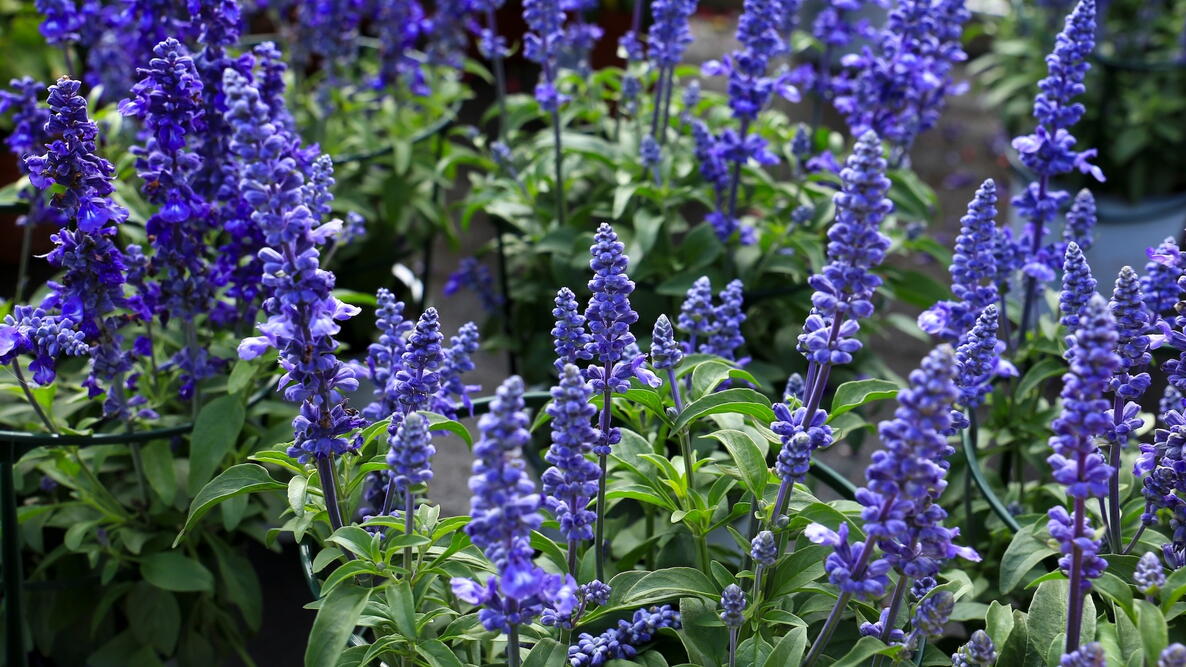
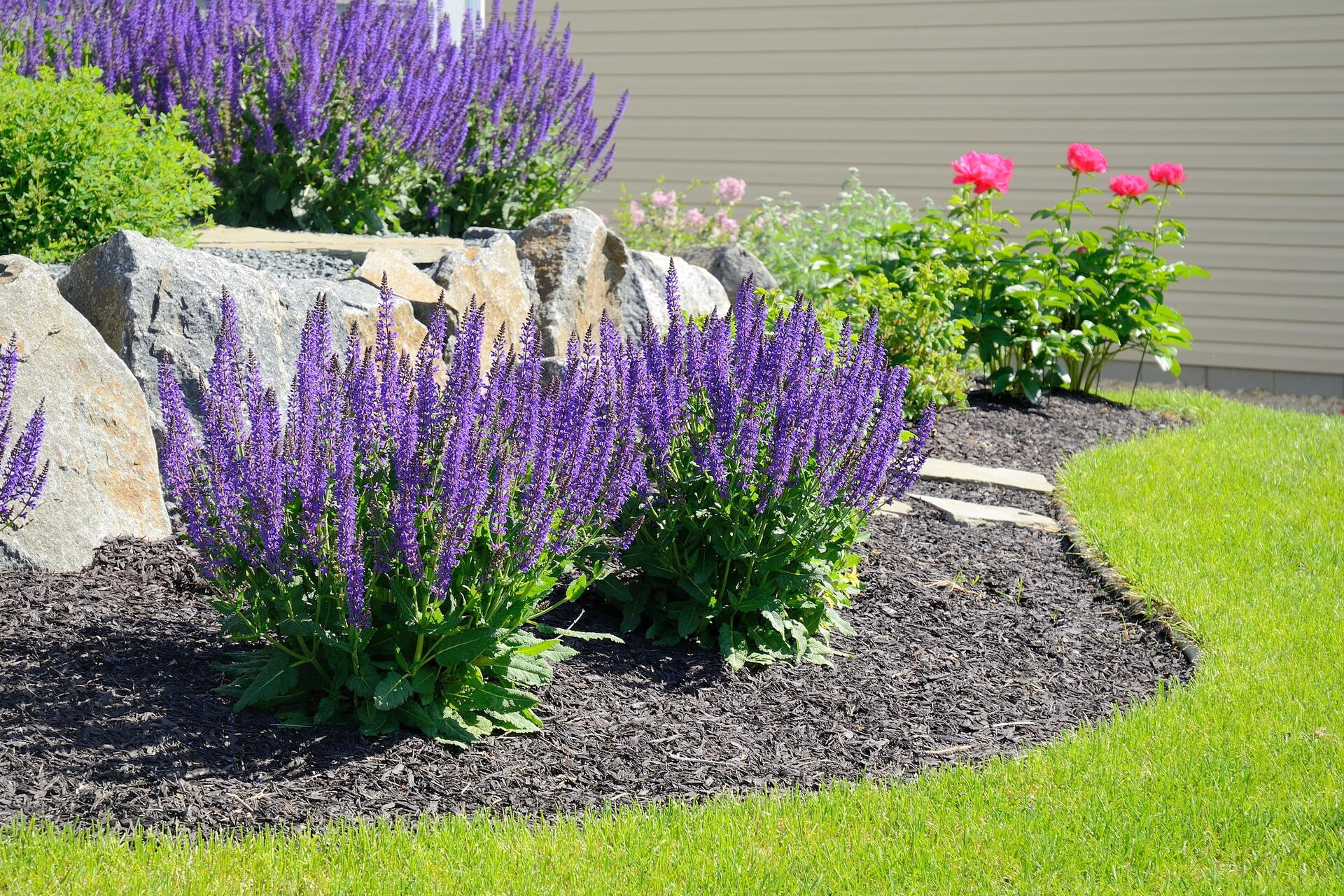
- Woodland sage (Salvia nemorosa): A dependable perennial with purple, pink, or violet-blue flower spikes. Comes back year after year, even in many colder climates. Cut back faded blooms for more flowers!
- Mealycup sage (S. farinacea): Beautiful blue or purple flower spikes that bloom for months. Usually grown as an annual in colder regions, but perennial in warmer areas.
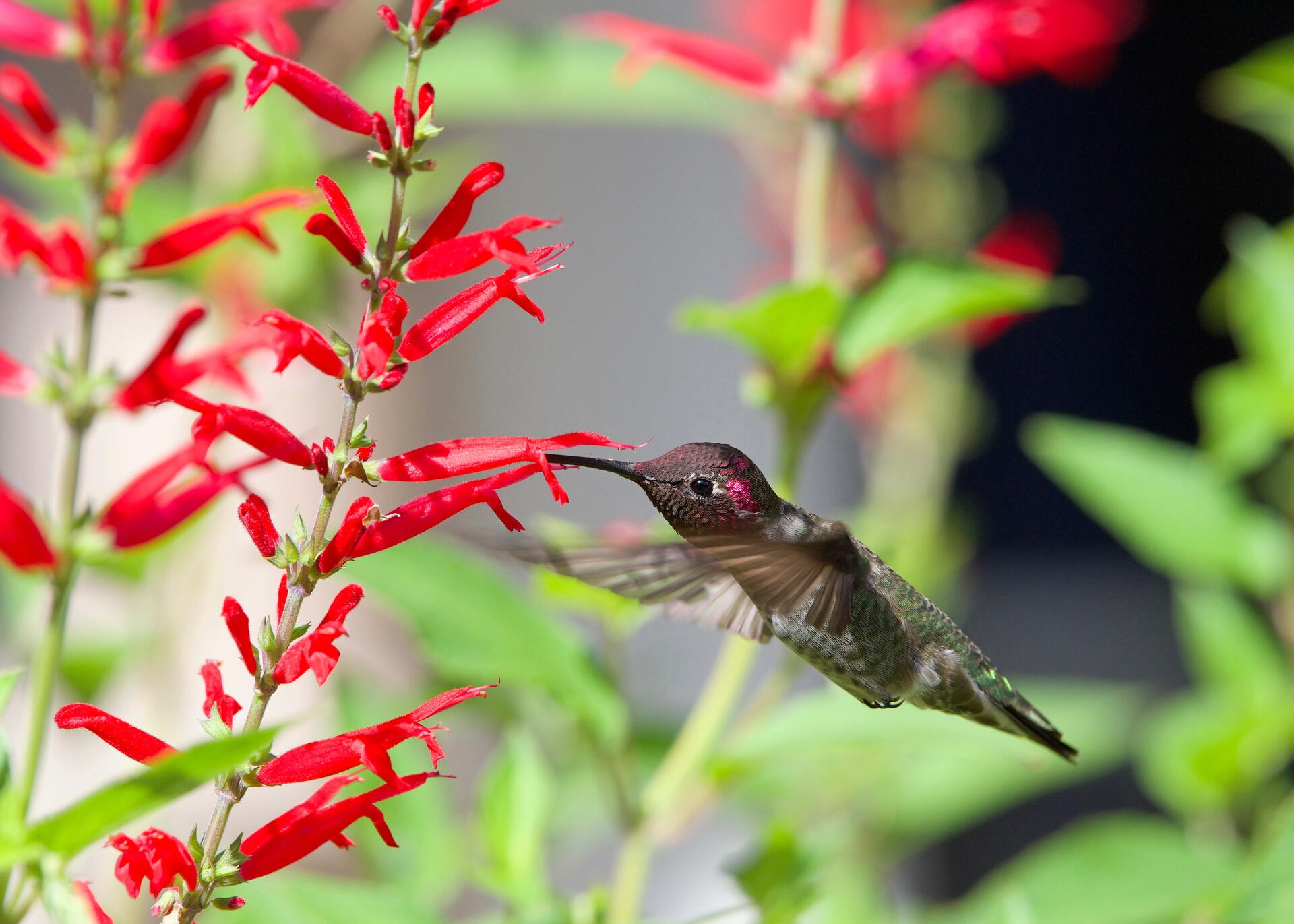
- Pineapple sage (S. elegans): Bright red blooms and fruity-scented leaves. Flowers in late summer and fall, and is grown as an annual in colder regions.
- Autumn sage (S. greggii): Compact and shrubby, with flowers in a rainbow of colors. Loves the heat and can bloom from spring into fall in warmer climates.
Frequently Asked Questions
-
Is salvia a perennial?
Many salvias are perennials, meaning they come back year after year. But some are grown as annuals because they can’t survive cold winters. Check your plant label to see whether yours will return where you live.
-
Should you deadhead salvia?
Yes—deadheading salvia is a great way to encourage another round of flowers. Just snip off the flower spikes after the flower is past its prime. -
Do salvias bloom all summer?
Some salvias flower through much of summer, while others wait until later in the season. Autumn sage has a long flowering season, whereas pineapple sage typically blooms in late summer and fall.
-
Can salvia grow in shade?
While a few salvias don’t mind a bit of shade, most grow and flower best with lots of sunshine. If your summers are scorching, types like autumn sage might appreciate a little afternoon shade. Before choosing where to plant your salvia, take a peek at how much light it prefers.
-
Is salvia deer resistant?
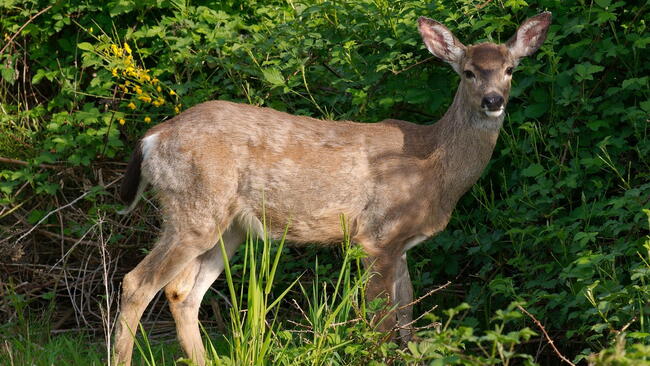
Many salvia types are not high on a deer’s menu. Still, when food is hard to find, a hungry deer might nibble on just about any plant, so don’t take “deer resistant” as a promise carved in stone.
-
Does salvia spread?
Some salvias grow in tidy clumps, while others spread or produce new plants from seed. Check the plant label to see how wide yours will grow, and give it a little elbow room!
Sources
- University of Florida Extension — Bird-Friendly Plants
- NC State Extension — Salvia Plant Toolbox
- University of Minnesota Extension — Salvia Plant Profile

More Like This
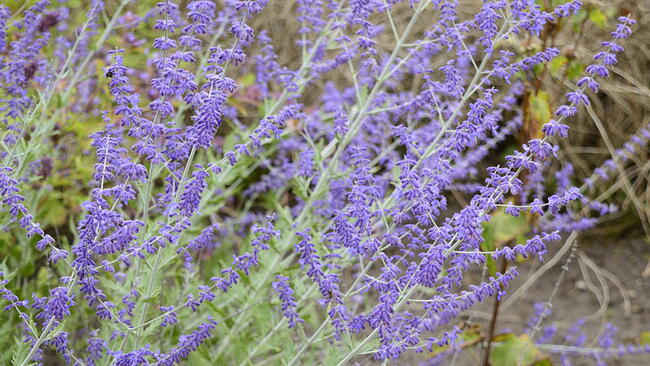

Wood Sage (Salvia x sylvestris) grows 18 to 24 inches in zones 4 to 8. A very popular cultivar of this hybrid is 'May Night' (Mainacht), which blooms with blue-violet flowers from May to June. Another good cultivar is 'Pink Dawn', a shorter plant (18 inches) with pink flowers.
This plant, like most, has few problems when it has the proper conditions. If the plant is getting leggy, try cutting back to newly developed foliage. Be aware that it may rebloom in fall, but with fewer and smaller flowers. Also be aware than potential diseases include crown and root rot, usually a result of too much moisture. It needs full sun, good air circulation, and well draining soil.
'Hot Lips' salvia is said to be winter hardy in zones 7 and warmer (or zone 6 with winter protection), so it would be a struggle to keep yours alive outdoors in zone 5a. I think your best bet is to dig it up and put it in a pot for winter. You can cut back the foliage, leaving an inch or two of stem. Once it's in the pot, keep the plant in a cool place such as a garage or basement—it should be allowed to rest while indoors. Keep the soil moist but be careful of overwatering.
Plan on planting it back outdoors once the danger of frost has passed in mid to late spring. Or, if the pot is big enough, keep it as a potted plant through summer!
Salvia are fairly easy to grow, thankfully! Just be sure to keep them well watered while they're young seedlings, especially as hot summer temperatures arrive.
- « Previous
- 1
- 2
- …
- 10
- Next »

Comments