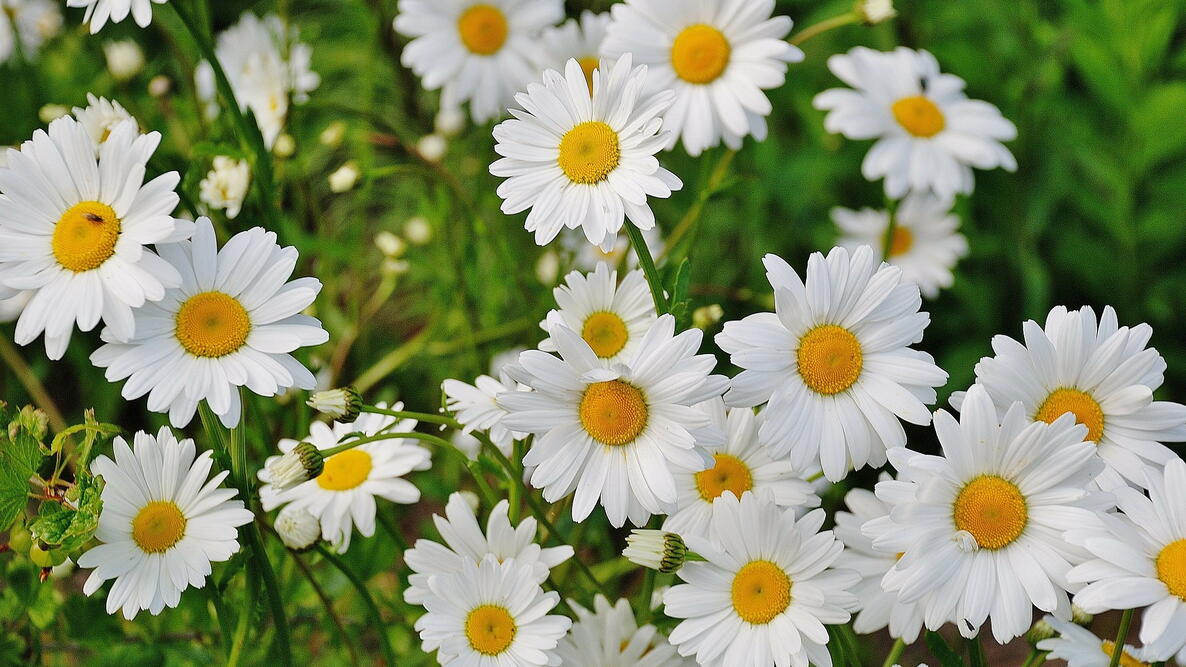
Caption
Learn how to plant and grow shasta daisies, a classic perennial.
Types
- ‘Becky’ is a classic variety with large flowers that grows to about 3 feet tall.
- ‘Cobham Gold’ is a popular variety with double flower heads and a yellow disc carried atop 2-foot stems.
- ‘Horace Reed’ is an elegant daisy with double white flower heads and incurved disk florets.
- ‘Snow Lady’ is a fast-growing, erect, bushy perennial that blooms the first year from seed and produces single white flower heads in the summer.

More Like This

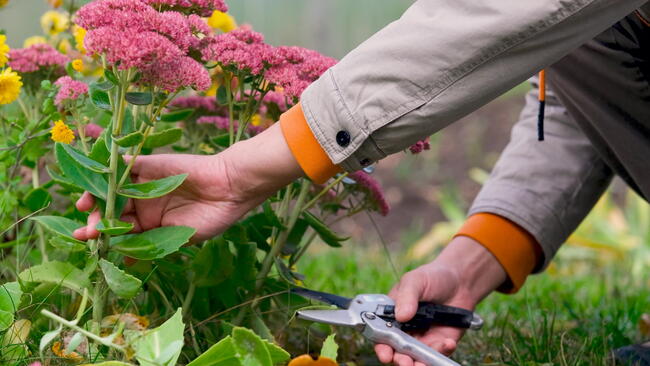
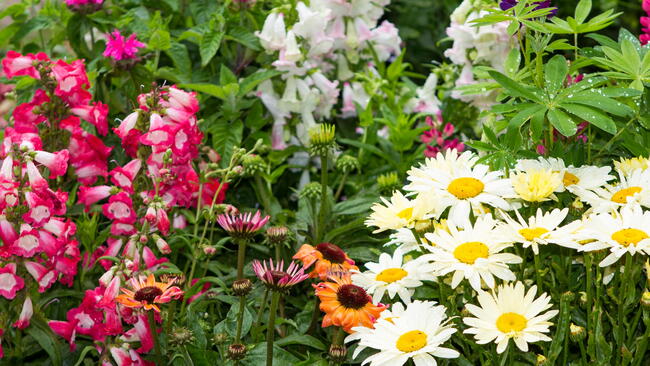

When cutting your shasta daisies for the vase, just cut the stems in the morning. Put the cut stems in water immediately. In fact, we suggest you take a bucket of water with you. You can re-cut the flower once inside to the size of your vase. Make the cut in the water on a sharp angle. Strip all leaves that will be below the water line.
You can divide the adult Shasta Daisy into new divisions (as described below) or you can save the seeds to re-plant. In terms of the latter, just deadhead (remove) the spent flowers in early fall and collect them in a paper bag. Let them dry a week and then squeeze out the seeds from the dried heads over a paper bag. See more below about storage.
Hi, Scottie: One of the most important things is to make sure that your seeds are as dry as possible before storage. Spread them out on a sheet of paper and let them air-dry for a day or two. Don't freeze them. Put them into a well-labeled envelope (use one from junk mail; or, some people save their original seed packet from the spring) and then keep it in a cool, dark, dry place. Two other things are: (1) Have a plan. In our house, the packets go into the shoebox on the shelf at the head of the cellar stairs. (2) Make sure that the envelope is sealed and labeled and that all family members know the plan, so that when the detritus on the back kitchen counter is getting "cleaned up" on a cold winter's morn, "somebody" doesn't pull out this mystery envelope from behind the old breadbox, say "What's this?," and dump a hundred seeds on the kitchen floor. If you know what we mean.
- « Previous
- 1
- 2
- …
- 10
- Next »

Comments