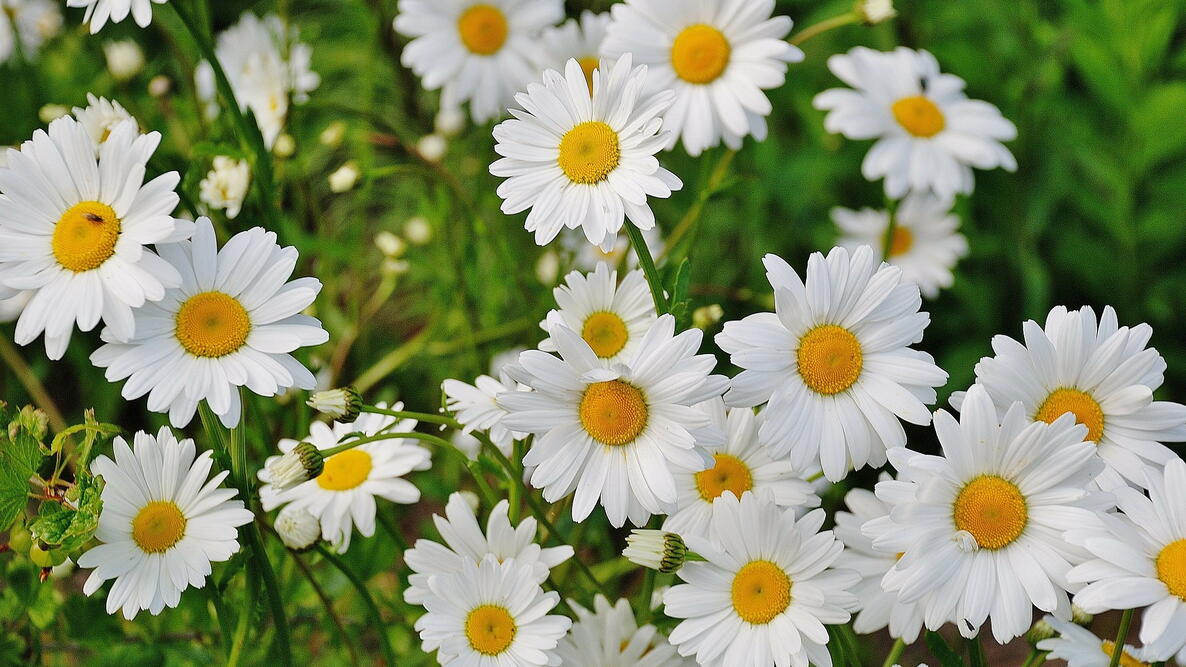
Caption
Learn how to plant and grow shasta daisies, a classic perennial.
Botanical Name
Leucanthemum x superbum
Grown as
Toxicity
Sun Exposure
Water Needs
Height
Spread
Soil pH
Flower Color
Resilience
Plant Type
Types
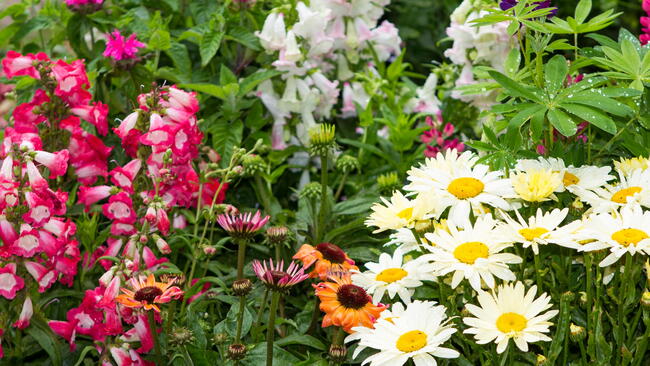
- ‘Becky’ is a classic variety with large flowers that grows to about 3 feet tall.
- ‘Cobham Gold’ is a popular variety with double flower heads and a yellow disc carried atop 2-foot stems.
- ‘Horace Reed’ is an elegant daisy with double white flower heads and incurved disk florets.
- ‘Snow Lady’ is a fast-growing, erect, bushy perennial that blooms the first year from seed and produces single white flower heads in the summer.

More Like This


By crystal-like, do you mean white? It sounds as if they have powdery mildew, especially since you mention that the petals are curling and that you have numerous plants. Shasta daisies need plenty of air circulation. Aerate by thinning. Also, spray healthy leaves on affected plants with a garden sulfur fungicide to prevent the spread of the fungus. Follow the instructions on the product label. Allow ample spacing between plants to promote air circulation and collect and discard all aboveground refuse in the fall.
My white daisy's are all leaves and no flowers. Why?
Usually, shasta daisies do not bloom because they are not getting enough sun. Other reasons: too young, too overcrowded (need dividing), too much nitrogen, poor soil.
Hello. I have had a huge shasta daisy near my driveway for the past three years. This year, the middle of it is not producing any new growth. I have a large but sparse ring of new growth and nothing in the middle?! Dying, time to split (and how)? Any advice would be greatly appreciated.
Yes, Shasta Daisy should be divided frequently. Early fall is the best time. Separate plants by selecting strong pieces from the outside of the clump. Discard center portion of clump as this is usually dried out and/or less vigorous.
What would cause both my large and small Shastas to die out after only one year?
There are several possibilities why a Shasta daisy plant might die, including:
Plants might not have the right light, soil, water requirements. Or, they were planted in an area where they are not hardy [too cold over winter; not enough winter protection (insulation), such as mulch].
Animal/insect damage: Check for insects along the stems, under leaves. Nematodes (microscopic) may live in soil and feed on roots. Check if rodents have nibbled the roots.
Diseases: Make sure there is plenty of air circulation and that the soil is not soggy. Check for browning/yellowing leaves, wilting, or leaf spots--these symptoms may indicate a fungal/viral/bacterial disease. Verticillium wilt and stem rot are two possibilities.
Chemical damage (such as by herbicides applied nearby to control weeds, or too much road salt over winter, if plants are near a road/driveway).
When your plants show signs of failing health, you might take a sample to your local garden nursery or to your county's Cooperative Extension, who might be able to diagnose the problem. For your Cooperative Extension contact information, see:
http://www.almanac.com/content/cooperative-extension-services
When you say 'keep removing fading flowers' do you mean just the flower or the stem too?
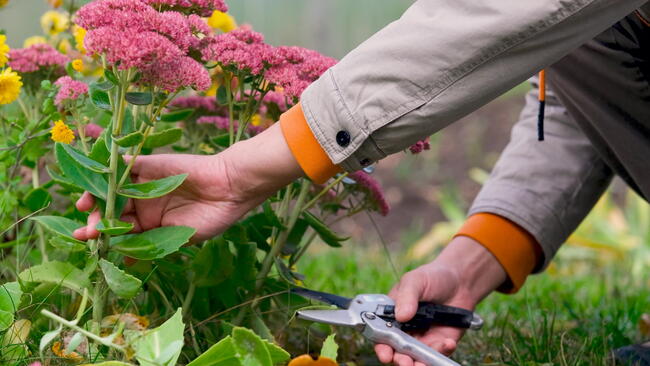
To deadhead fading blooms of Shasta daisies, use a knife or pruners to remove the flower and its stem down to just above where the next flower, bud, or leaf emerge off the stem. When no more flower buds appear, or the leaves look ragged, you can cut the stem down to the base of the plant, on level with any basal foliage.
I planted my shastas by seed 3 years ago the Plants have been large and healthy but never flowered last year so I divided them and still waiting on blooms this April.I live in central Florida.What nutrient is missing?
- « Previous
- 1
- 2
- …
- 10
- Next »
📣The Gardening Club Just Got Better! 3 Deliveries, 10% Store Discount, and more!

Comments