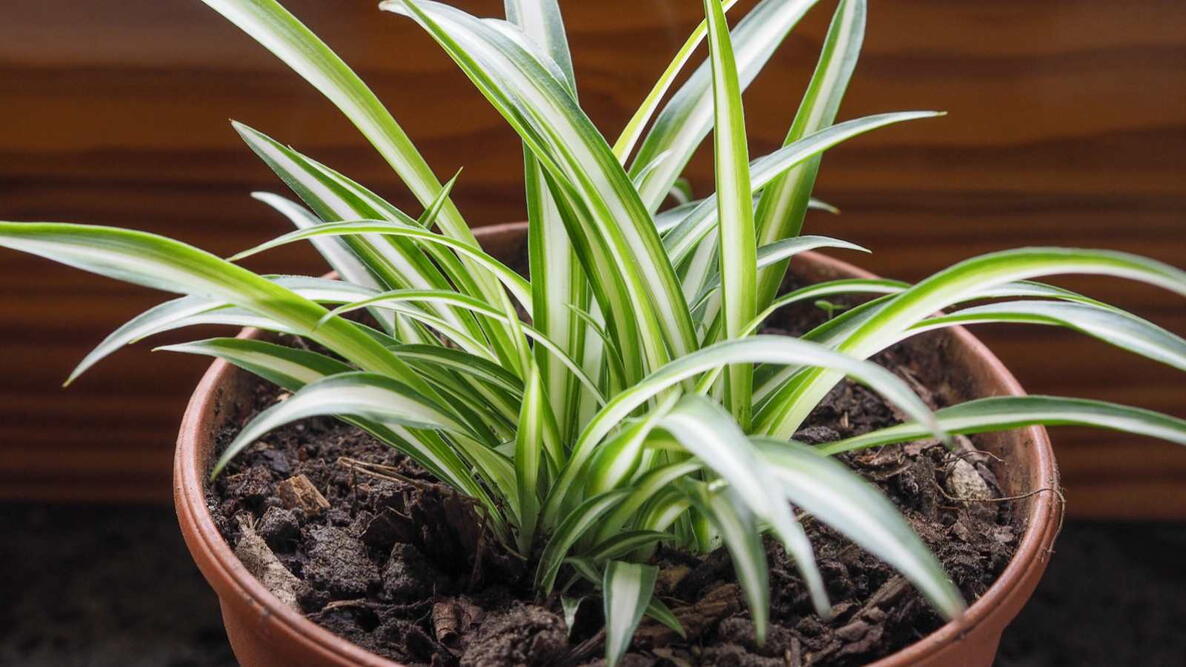
Growing
- During initial growth, water occasionally; once fully developed (within one year), water moderately.
- In the spring and summer months, keep the soil moist to encourage growth. Do not let the soil dry out too much.
- Maintain average room temperature and humidity. Spider plants prefer temperatures between 55° and 80°F (13° to 27°C), which makes them a great indoor houseplant.
- Fertilize twice a month in the spring and summer; however, avoid overfertilization.
- See more Houseplant Growing Tips.
Types
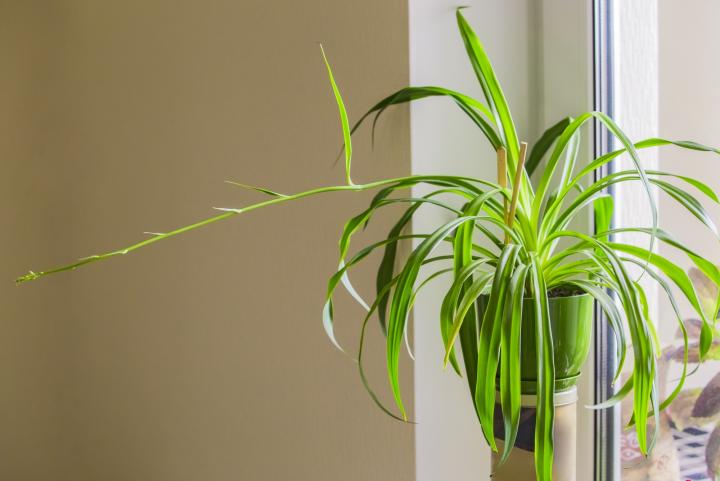
- The most common varieties are the variegated forms:
- ‘Vittatum’ has green foliage with a single off-white stripe down the center of each leaf.
- ‘Variegatum’ is the inverse of ‘Vittatum’, with an off-white stripe running along the edge of each green leaf.
- Solid green varieties are also available.

More Like This

Comments

Hi Cheryl,
It sounds like your spider plant is in shock from the drastic change in environment. When bringing a plant indoors for the winter, it's good to slowly let it adjust by bringing it in at night and leaving it out during the day over a two week period. Since you have already brought your plant inside, don't water or move it for a while: That could just shock it further. If it's still not doing well in a week or two, try moving it to a different window. Spider plants are extremely resilient and can bounce back from near-death experiences!
The first thing to consider is how large your pot is. Your spider plant is small now, but will eventually fill in quite a bit—as will any other plant you add to the pot. Plus, the roots of the two plants will be competing for resources if the pot is too small. Additionally, the growth pattern of the spider plant doesn't lend itself particularly well to being planted alongside other plants, as they grow outward in all directions and tend to drape down, out of the pot.
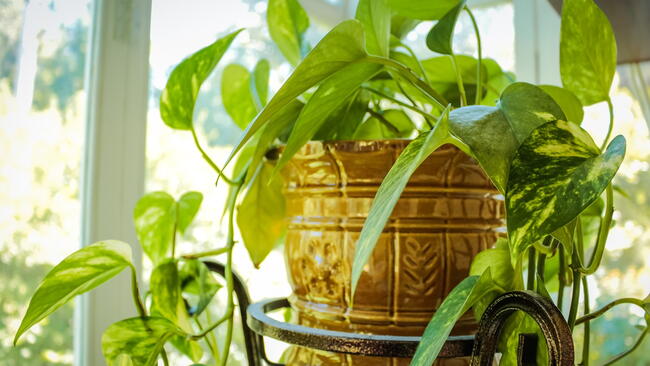
That being said, if your pot is large enough, then you could certainly give your spider plant at least a temporary companion. In this case, look for something like a peace lily or pothos vine, as they both enjoy having consistently moistened soil. These may eventually overcrowd the spider plant, but they can be companions for now!
Unfortunately, the brown tips will not grow back in. As the entire plant grows, the oldest leaves will die off and be replaced with healthy, full leaves.
- « Previous
- 1
- 2
- …
- 10
- Next »

Hi Loretta,
Now that the babies are in soil, it would be better to leave them. Initially, you can put them in water for a few days or soil--either works just fine. One possibility for the plants not doing well is if they are in direct, hot sunlight. Spider plants like bright indirect light, so if yours are being exposed to too much direct light, that could be the problem. If so, move them to a spot away from the direct light but that still receives bright indirect light. If that's not an issue, the plants could have been watered too much or are simply shocked from the change in living situation. For both of those, the recommendation would be to let the plants be for a week or so, waiting only to water when the soil is dry up to an inch deep in the soil. Give them consistent, not constant, care. We hope this helps!