Image Credit:
t50/Shutterstock
Botanical Name
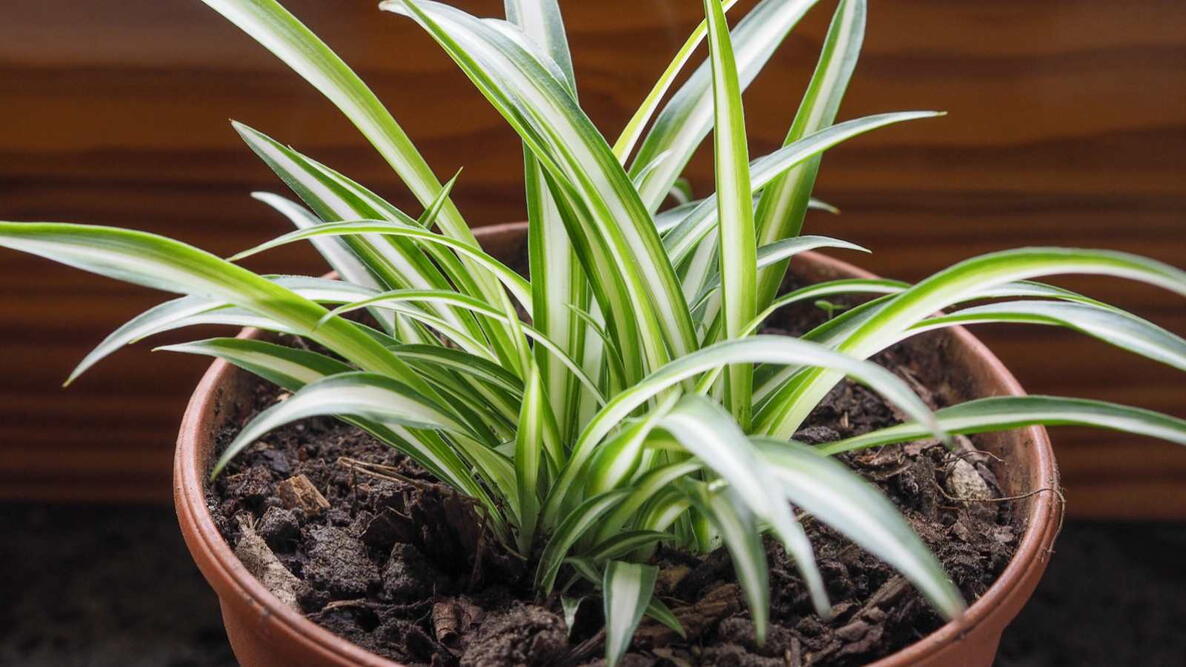
Chlorophytum comosum
Sun Exposure
Soil pH
Flower Color
Plant Type
Growing
- During initial growth, water occasionally; once fully developed (within one year), water moderately.
- In the spring and summer months, keep the soil moist to encourage growth. Do not let the soil dry out too much.
- Maintain average room temperature and humidity. Spider plants prefer temperatures between 55° and 80°F (13° to 27°C), which makes them a great indoor houseplant.
- Fertilize twice a month in the spring and summer; however, avoid overfertilization.
- See more Houseplant Growing Tips.
Types
- The most common varieties are the variegated forms:
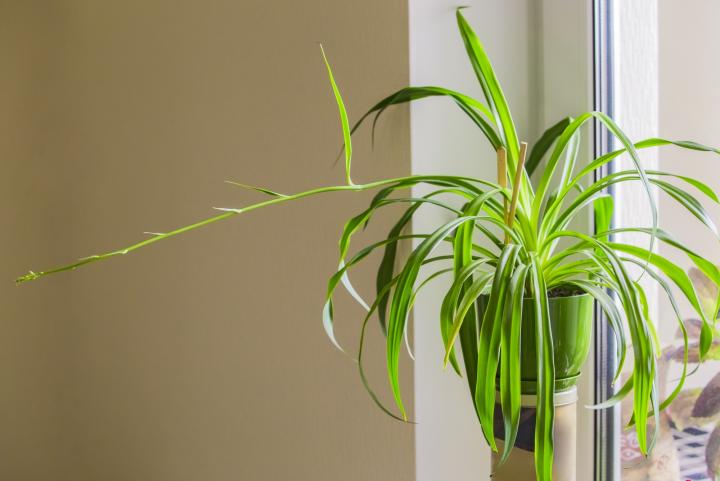
- ‘Vittatum’ has green foliage with a single off-white stripe down the center of each leaf.
- ‘Variegatum’ is the inverse of ‘Vittatum’, with an off-white stripe running along the edge of each green leaf.
- Solid green varieties are also available.

More Like This

Comments
I was passed down a spider plant from my Nana about 5-6 years ago. She had this plant in her kitchen for as long as I can remember, 30+ years. Is there a life expectancy for these plants? Still producing babies and has never been transplanted. Too afraod to hurt the olant

Spider plants can tolerate almost any conditions and grow indefinitely. It sounds like you're doing all the right things. Kudos!
Avoid leaving them exposed to canaries - if you let your canaries fly around they will savage the plant by chewing through the leaves.
Must be something in the plant that canaries like ...
Plant sitting a spider plant for my mother that is over two hundred years old my mother says.not sure if its that old itself or what but the ends of the leaves are dying off and not sure what i need to do!!! it is getting sunlight and watered once a week.I have it hanging near a basement window.very warm area.wood heat.more heat that it is used too.need Help Please !!!!
Thanks Troy
I've heard to certain birds and pets spider plants can be poisonous.
I read somewhere that the fluoride and/or chlorine usually found in tap water can cause leaves to brown at the tips. They recommended distilled water.
Cut the dead ends off with sicssers and it sould be fine thats what i do to my spider plant
Hi Troy,
Spider plants need bright light and 65-75°F temp. If the plant is close to wood heat the air is very dry. Mist the plant with water a couple of times a week and make sure the soil is moist. Do not overwater in the winter months.
Thanks.i moved them today to a much brighter and a cooler area.Hoping this helps
- « Previous
- 1
- 2
- …
- 10
- Next »
📣The Gardening Club Just Got Better! 3 Deliveries, 10% Store Discount, and more!

Spider plants are quite heat-tolerant. The suggested air temperatures for spider plants is between 70 and 90°F for best growth. If you temps go above 90°F, it will not directly damage spider plants, but it won't grow well.