
Planting
When to Plant Tulips
- Plant tulip bulbs in fall, once the soil has cooled but before the ground freezes. This gives them time to develop roots before winter.
- Your first fall frost is not the planting deadline—as our gardening expert Doreen Howard puts it, “If you can dig a 6-inch-deep hole, you can plant bulbs!”
The exact timing depends on where you garden.
When to plant tulips in cold-winter regions:
- Plant during fall as soils cool. October is ideal in Iowa, for example.
- You can still plant later if the ground hasn’t frozen.
When to plant tulips in mild-winter regions:
- Planting may extend into late fall or early winter. Local recommendations vary.
- Georgia Extension suggests October through late December for spring-flowering bulbs.
- LSU suggests late December or early January for pre-chilled tulips in its Louisiana guidance.
For more on choosing and planting spring-flowering bulbs, see our fall bulb planting guide.
If your winters are especially mild, your tulip bulbs may need chilling before planting. Tulip bulbs need a period of cold in order to bloom, and in some mild climates, winter temperatures might not get cold enough.
- Buy pre-chilled bulbs or follow your supplier’s refrigeration instructions for your varieties and climate.
- Chilling times vary, so there’s no single refrigeration schedule that suits every gardener.
- Keep tulip bulbs away from ripening fruit, and plant them right after chilling.
Missed fall planting? See our advice on how to plant tulip bulbs in winter.
Where to Plant Tulips
- Sunny location: Choose a spot that gets at least 6 hours of direct sun in the spring. In hot climates, tulips benefit from some shade after they finish blooming.
- Soil: Tulips can grow in any well-draining soil that lets water and oxygen flow freely, though the University of California recommends a rich, sandy soil for the best growing conditions. Avoid areas where water collects.
Need to improve soil drainage? See our guide to testing and improving well-draining soil.
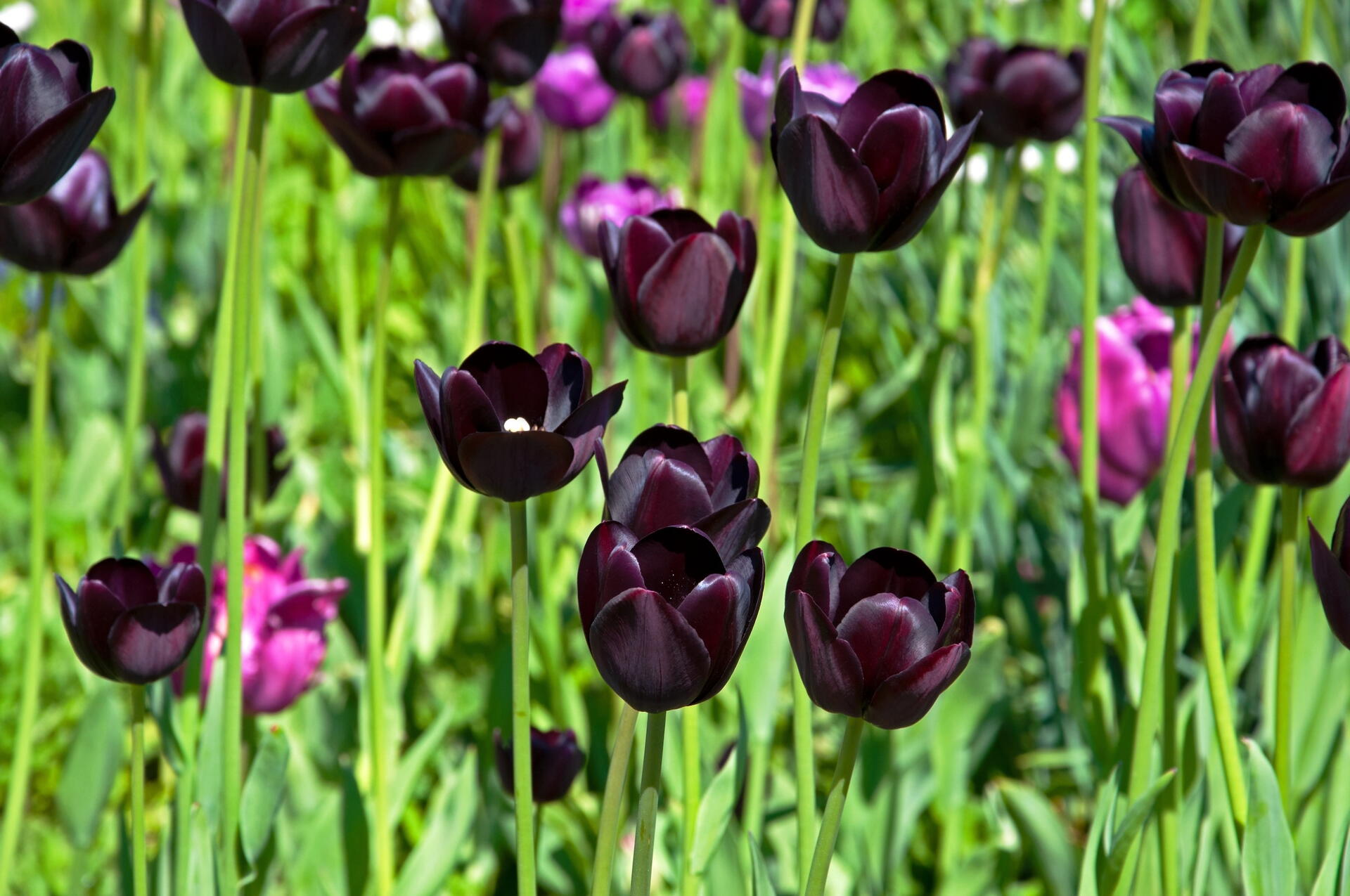
Credit: fedotova
How to Plant Tulips
- Loosen the soil in your garden bed to a depth of about 12 to 15 inches, removing any rocks or sticks that you uncover. University of Minnesota Extension suggests mixing compost or peat moss into the soil with a garden fork to improve growing conditions.
- Plant most larger garden tulips 6 to 8 inches deep and most smaller tulip species 3 to 5 inches deep, measuring the depth from the bulb’s base to the soil surface. Check your bulb’s instructions for the exact planting depth.
- Adjust the planting depth as needed based on your soil. University of Minnesota Extension recommends planting bulbs 1 to 2 inches deeper than usual in light, sandy soil and 1 to 2 inches shallower than usual in heavy clay soil.
- Space larger tulips about 4 to 6 inches apart and smaller tulips about 3 to 4 inches apart. Plant in groups for a generous splash of spring color.
- Set each bulb with the pointed end up. Fill each hole with soil, then water thoroughly to settle the soil around the bulbs and encourage the roots to grow. Avoid leaving the soil soggy.
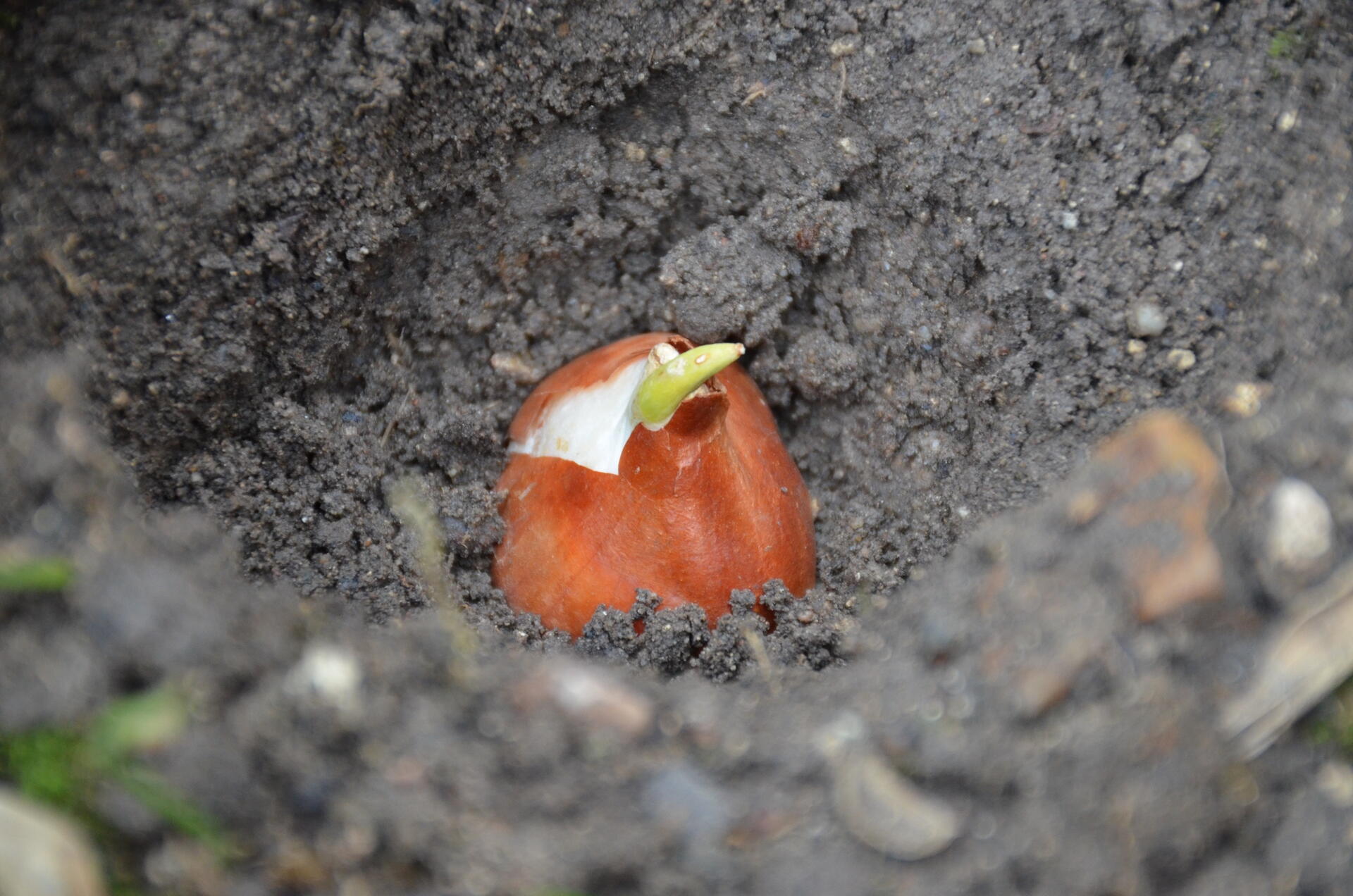
Credit: Choc’art
Pests and Problems
Although tulips are generally easy to grow, it’s still good to watch for issues.
If you see any of these common problems, here’s what’s probably happening and what to do next.
What You See | Likely Cause | What to Do |
| Floppy leaves but no flowers | Bulbs have become weak over time and don’t have enough energy to bloom—this can happen after a few years. | Dig up the old bulbs and plant new ones in a spot that gets at least 6 hours of direct sunlight. |
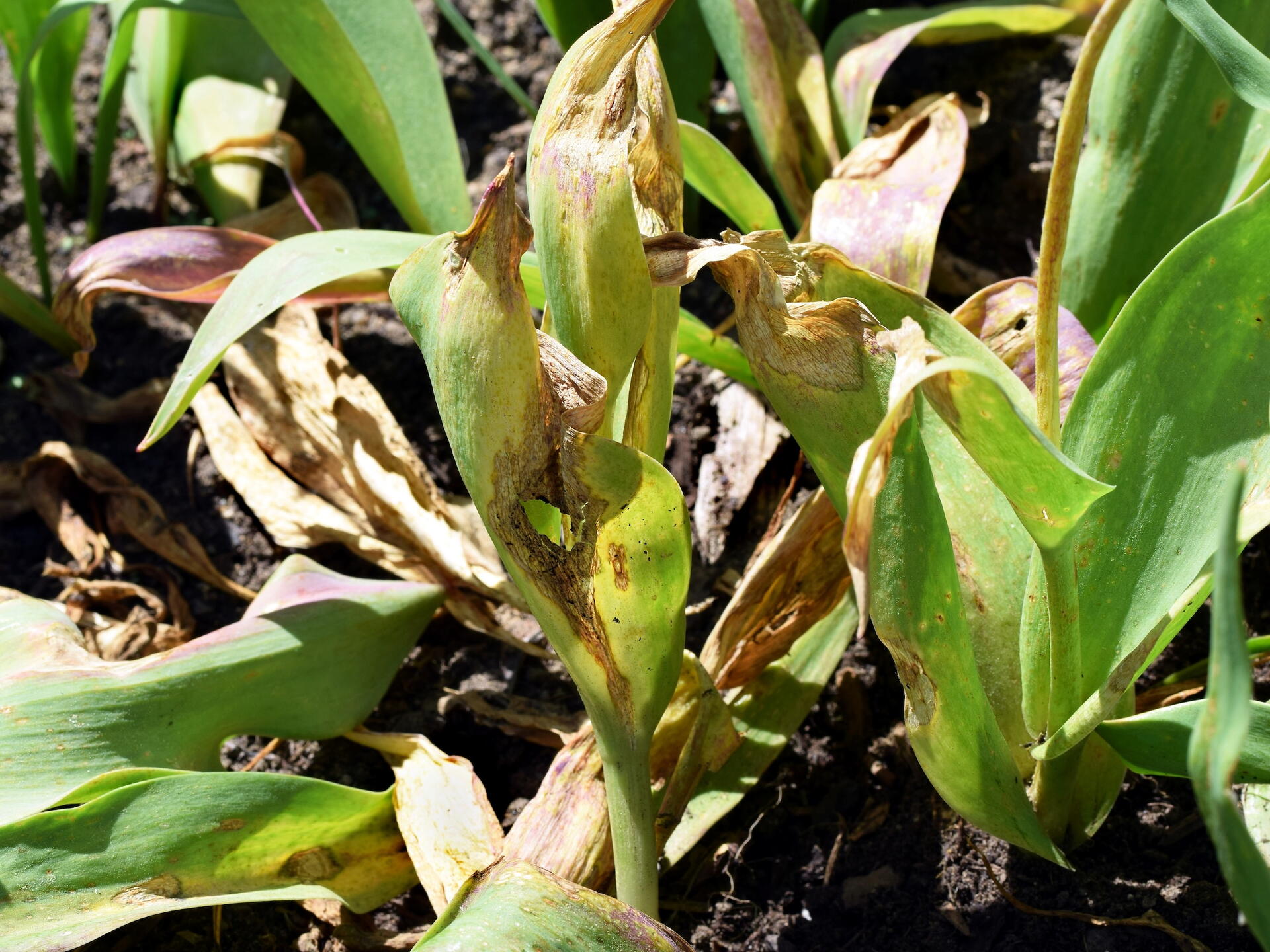
| Parts of the leaves turn white; damaged leaves flop over | A hard spring freeze damaged the leaves. | Keep the leaves in place until they turn completely brown. Any green parts help the bulb store energy for next spring. This year’s flowers may still open if the buds survived. |
| Leaves are yellow and small, or stems don’t grow out of the soil | Possible bulb rot—soggy soil can encourage the fungi and bacteria that cause it. | Dig up a bulb and examine it. A rotting bulb may be soft or smell bad. Get rid of any rotting bulbs and some of the surrounding soil. Plant new bulbs in a spot that drains well. |
| Small spots with dark edges on leaves or flowers, rotting stems, fuzzy gray mold | Tulip fire, a fungal disease. | Remove and discard affected plants and bulbs. University of Arkansas Extension recommends waiting at least 3 years before planting tulips in the same spot. |
| Holes in leaves or flowers, shiny slime trails | Slugs and snails feeding. | Carefully remove any slugs or snails. Water in the morning rather than evening to reduce overnight moisture. |
| Clusters of tiny insects; curled leaves or sticky substance | Aphids sucking the plant sap. | Knock aphids off with a firm spray of water. Avoid insecticides so natural predators can help control them. |
| Tulips emerging from the ground too early (late winter or early spring) | Unseasonably mild weather led to premature winter growth. | Keep an eye on your tulips—this problem isn’t as bad as it may seem, as tulips tolerate the cold quite well. If freezing temperatures return, it can delay growth, though. |
Credit: matunka
Protecting Tulips From Animals
Animals may try to dig up tulip bulbs in fall or eat the leaves and flower buds in spring. Use a barrier to protect the part of the plant they’re after.
Before planting: Plant bulbs inside a wire bulb cage buried in the soil to keep voles and mice away.
After planting: Lay chicken wire or hardware cloth flat over the soil and secure it in place with stakes or rocks to stop squirrels and chipmunks from digging into the soil. Remove the cover when shoots come up in spring.
In spring: If rabbits or deer like to visit your garden, put a fence or wire cage around your tulips as soon as the shoots come up. Make sure the barrier is tall enough to keep the animals from reaching the leaves and buds.
Types
Tulips come in so many beautiful varieties—these are some beginner-friendly ones you might like:
- Triumph: Classic, cup-shaped flowers that grow in many colors and bloom in midspring. Their sturdy, medium-length stems work well in garden beds, though they may not flower as much after a few years.
- Darwin hybrids: Large flowers on tall stems that bloom in midspring. Darwin hybrids tend to bloom for more years than most other hybrid tulips.
- Double-flowered: Layers of petals that make them look like peonies, available in early- and late-blooming varieties. Give late-blooming doubles plenty of shelter from strong wind and heavy rain to protect the flowers!
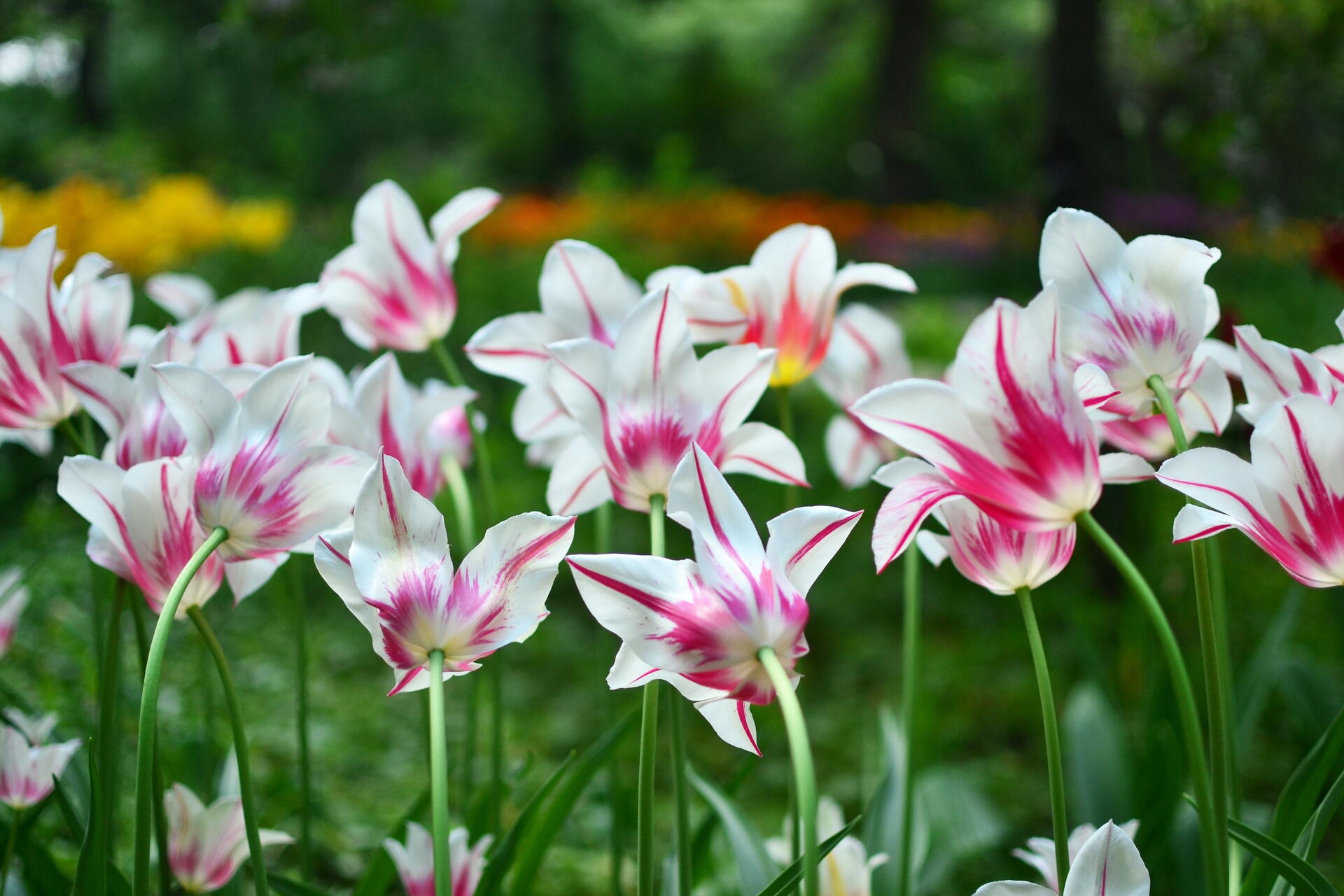
- Lily-flowered: Pointed petals curve outward, giving these late-spring bloomers a slender appearance. Look for the ‘Marilyn’ variety, known for its red-and-white colors.
- Green-marked (Viridiflora): Flowers with notable green streaks or stripes on their petals that bloom in late spring. ‘Spring Green’ is a popular variety.
- Species, or botanical, tulips: Usually on the smaller side and work well in rock gardens or at the front of flower beds. They look stunning when planted in large groupings!
Credit: Genova2500
Frequently Asked Questions
-
Are tulips annual or perennial bulbs?
Tulips are perennials, meaning the bulbs can survive in the ground and grow again next year. Many garden tulips produce fewer flowers after the first few years, so some gardeners treat them like annuals and plant fresh bulbs each fall. If you want tulips that are more likely to bloom again, look for bulbs labeled “Darwin hybrid” or “species tulip.”
-
Can you plant tulips in spring?
Yes, if the tulip bulbs are still firm, you can plant them in spring. They may grow leaves without flowering that year. Fall is the best time to plant because the bulbs need time to grow roots and several weeks of cold temperatures to prepare them to bloom. If your bulbs are soft or shriveled, start with fresh ones in fall.
-
Do tulip bulbs multiply?
Yes, a tulip bulb can grow smaller bulbs around it. These new bulbs, called offsets, can grow into separate plants, though the smallest ones might not flower for several years.
-
Can you plant tulip bulbs in pots?
Yes. Plant tulip bulbs in the fall in a pot with holes in the bottom so extra water can drain out. Fill it with potting mix and water well after planting. Keep the pots in a cool area with temperatures between 38° and 50°F. Water them and keep the soil moist, but not soggy. You can bring the pots inside after about 8 weeks or move them outside when spring arrives.
Sources
- Iowa State University Extension and Outreach — All About Tulips
- University of Minnesota Extension — Planting bulbs, tubers and rhizomes
- University of California Agriculture and Natural Resources — Tulip
- University of Arkansas Extension — Tulip Fire
- Iowa State University Extension and Outreach — How to Manage Potential Problems Growing Tulips

More Like This

- « Previous
- 1
- 2
- …
- 10
- Next »

Comments