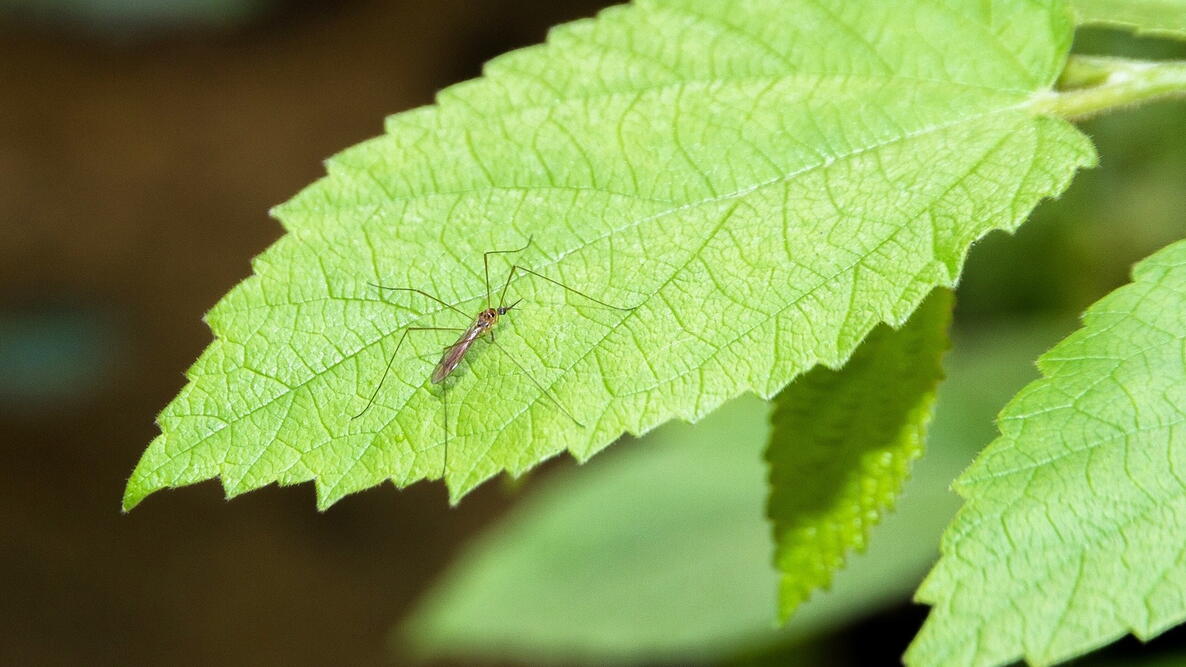
Many plants are marketed as natural mosquito repellents—but do they actually work? Some herbs and ornamental plants contain essential oils that can help deter mosquitoes when their leaves are crushed or burned, although they aren’t a substitute for EPA-approved insect repellents.
Why Mosquitoes Are Attracted to People
Mosquitoes are more than a nuisance, as there are many mosquito-borne diseases out there, including viruses such as West Nile, Eastern Equine Encephalitis, and Dengue. It’s not just mosquitoes, either—gnats, biting flies, ants, and other pests can take the fun right out of any outdoor activity.
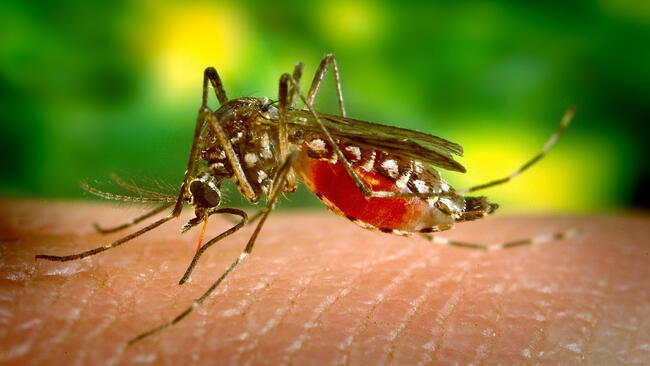
Mosquitoes and many other biting insects target human victims by our odors and gases—including carbon dioxide, sweat, and smelly feet. Mosquitoes, for example, can be attracted by the carbon dioxide in our breath from as far as 150 feet away.
Do Mosquito-Repellent Plants Really Work?
Luckily, the strong scents produced by some common garden plants can block the scent receptors that the bugs use to find us—but simply including strongly scented plants in your garden isn’t enough to keep the bugs at bay. In most cases, a much stronger, more concentrated amount of a plant’s scent is needed to throw the bugs off your trail.
How Plants Repel Mosquitoes
The key to generating a strong enough insect-repellent scent is to release the essential oils within a plant’s leaves. These oils actually have an insect-repelling effect. Burning sprigs of the plant or crushing the foliage are the best ways to release their oils.
At home, it’s easiest to crush the leaves and apply them topically whenever you’re working in the garden. Simply pinch off a few leaves and crush them in your hands to release their essential oils, then rub the crushed leaves on your skin to create a mosquito-repellent layer.
(WARNING: Be wary of allergies! Direct contact with the oils of some plants may irritate the skin. We recommend testing the crushed leaves on a small part of the underside of an arm or leg before applying it elsewhere.)
It’s important to keep in mind that although some plants may indeed repel insects, using them as suggested below will not produce the same insect-repelling results as commercial insect repellents, which have been engineered for effectiveness and longevity. In most cases, using the leaves from a plant will only provide moderate protection for a short period of time. As a rule of thumb, if you can’t smell the scent on yourself any longer, it’s probably not keeping the bugs away anymore!

Best Plants That Repel Mosquitoes
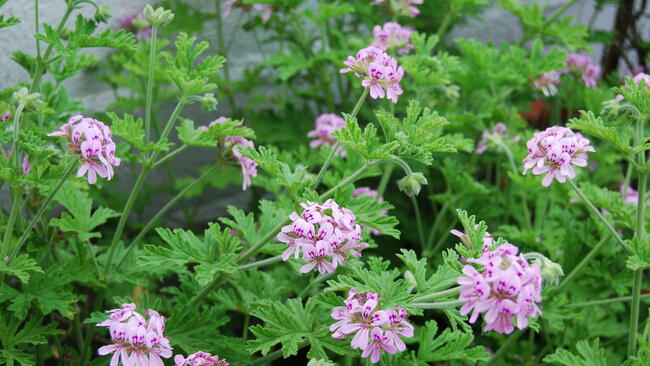
Many plants that are labeled as “insect-repelling” are, in fact, not. Specifically, the so-called “mosquito plant,” Pelargonium citrosum, has shown little to no evidence of repelling mosquitoes despite its name and pleasantly lemon-scented leaves.
So, here are a few scented plants that actually have insect-repelling qualities when used correctly:
Lemongrass and Citronella Grass
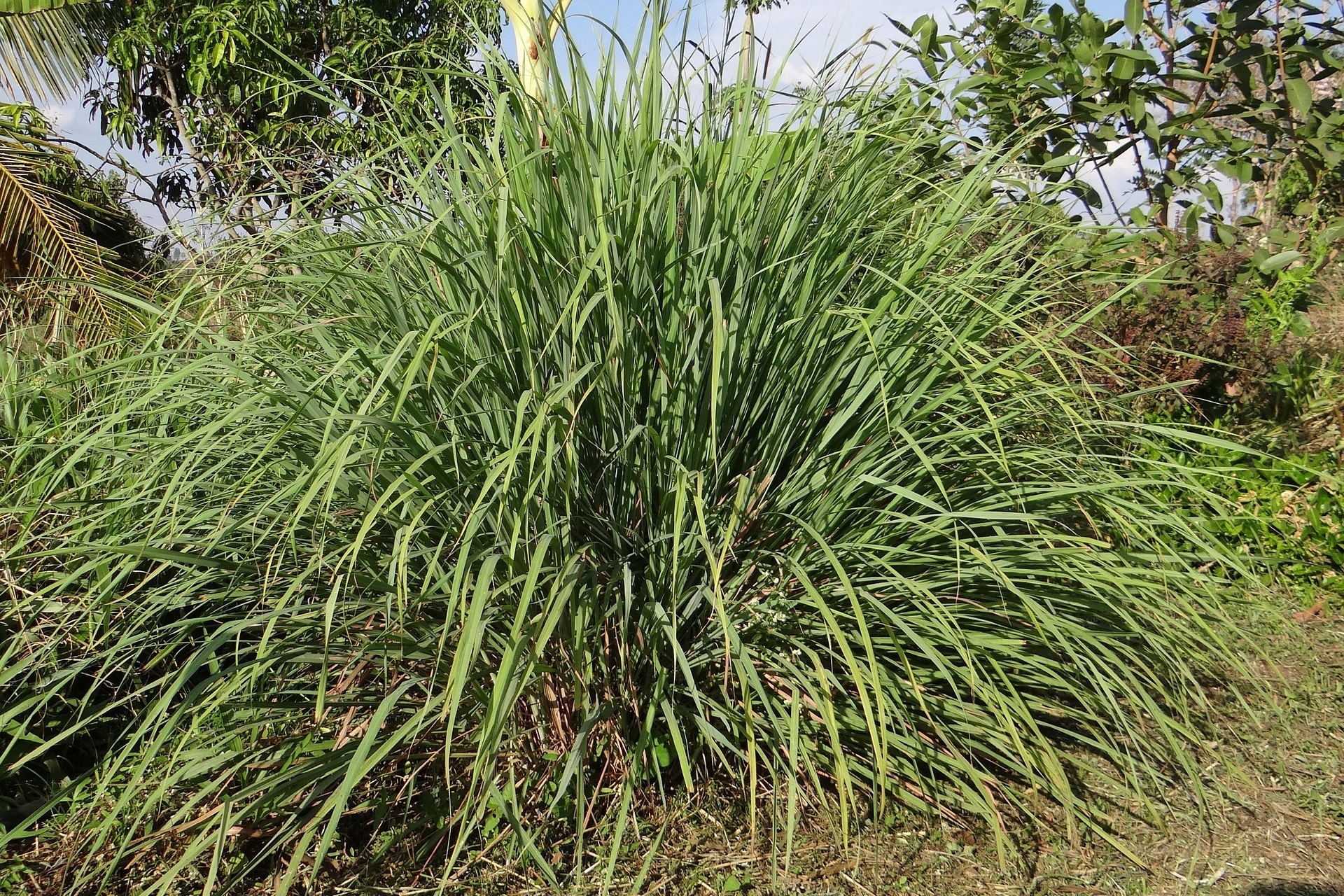
Lemongrass (Cymbopogon citratus) and citronella grass (C. nardus) have proven mosquito-repelling abilities thanks to the citronella oil contained within their leaves. The leaves can be crushed and rubbed on bare skin to ward off biting bugs. Tall, tropical grasses, lemongrass, and citronella grass will only survive as perennials in frost-free zones; those who live in colder climates will need to keep them in pots and bring them inside when temperatures drop in the fall.
Lemon Thyme
Lemon thyme (Thymus citriodorus) is another citrus-scented plant that can be used as a topical insect repellent. Burning sprigs of lemon thyme (on the outdoor grill, for example) can also be effective at keeping nuisance insects away from the immediate area.
Lemon Balm
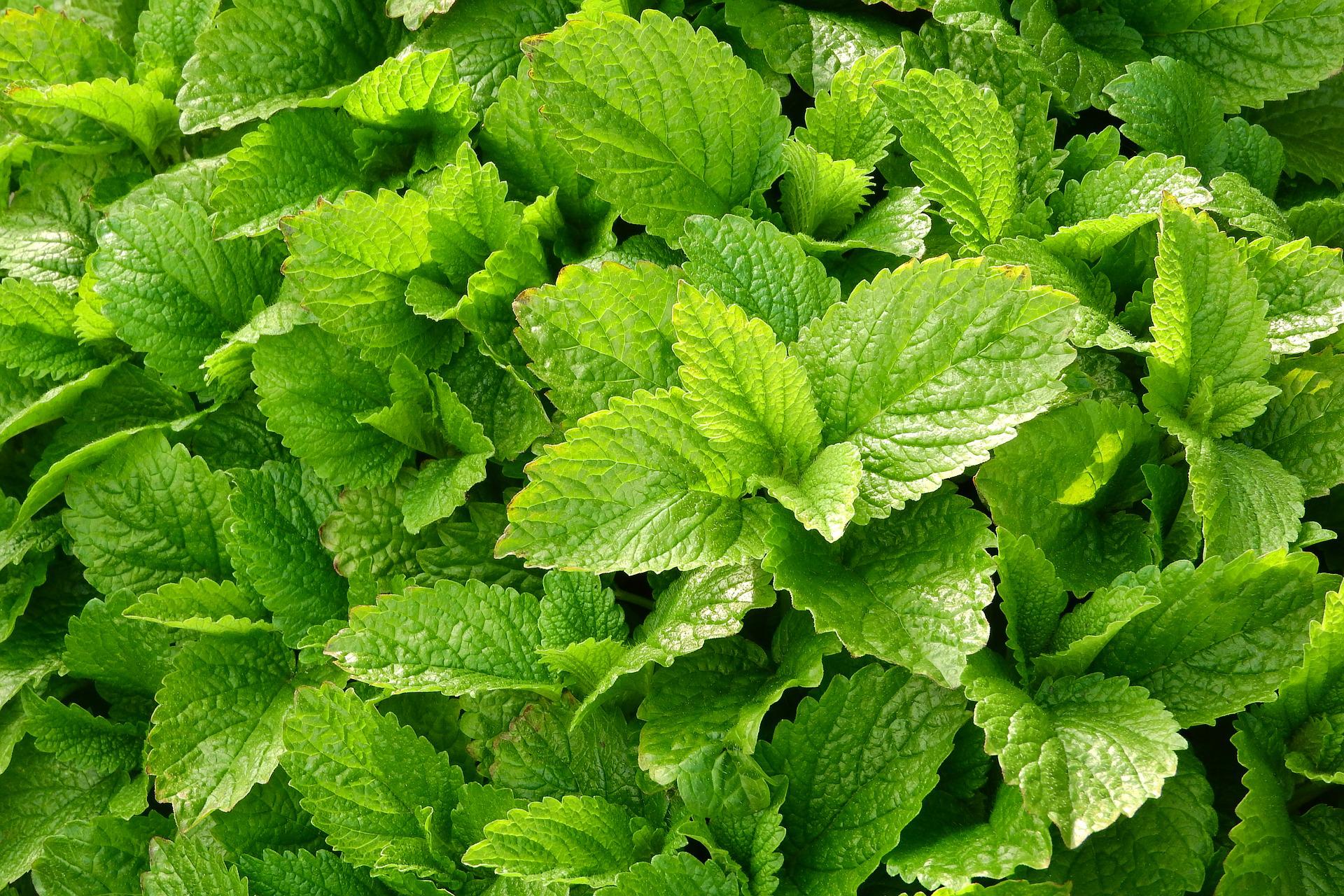
Lemon balm (Melissa officinalis), like lemon thyme, gives off a scent that’s offensive to insects. Apply it topically. If you’re planning to grow it, keep in mind that lemon balm is in the mint family, so confine it to a pot to keep it from spreading like crazy!
Lavender
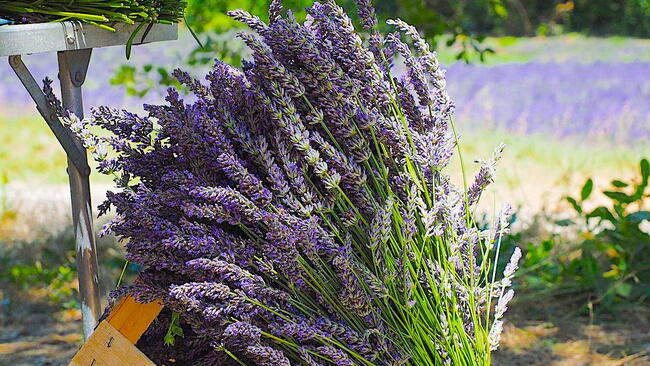
Lavender has a strong scent that can repel moths, flies, fleas, and mosquitoes. Use fresh cuttings or dry some of the flowers to hang around the house or put in with your clothing to keep bugs out. Here’s how to make lavender sachets.

Garlic
Garlic keeps away more than vampires. To be effective against bugs, however, the cloves must be rubbed on the skin, which may end up being more offensive to other humans than to insects. (Sadly, consuming garlic hasn’t been shown to keep the bugs away.)
Rosemary
Rosemary may prevent flies and mosquitoes from ruining a cookout. If the bugs are really bad, throw a few sprigs of rosemary on the grill, and the aromatic smoke will help drive the mosquitoes away.

Basil
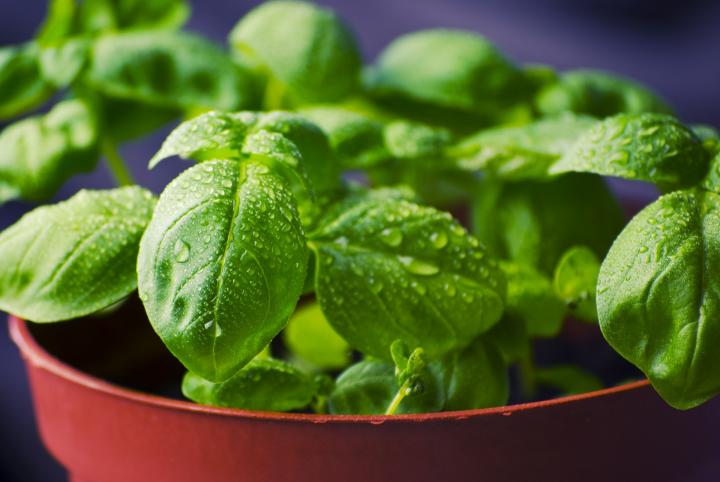
Basil (Ocimum basilicum) is a culinary herb that does double duty by repelling flies and mosquitoes too. It’s one of the most pungent herbs and even gives off a strong scent without its leaves being crushed. If you’re looking for an insect-repelling plant that you can “set and forget,” basil is your best bet.
Catnip
Catnip (Nepeta cataria) contains a substance called nepetalactone, which has been found to be even more effective than DEET at repelling mosquitoes in lab trials. Unfortunately, when crushed leaves were applied topically, catnip appeared to have little to no insect-repelling effect, so don’t depend on this plant to keep the mosquitoes away.
Mosquito-Repellent Plants At-a-Glance
| Plant | Repels | Best Use |
|---|---|---|
| Citronella grass | Mosquitoes | Crush leaves or grow nearby |
| Lemongrass | Mosquitoes | Fresh leaves |
| Lavender | Mosquitoes, moths, flies | Garden and sachets |
| Basil | Flies, mosquitoes | Fresh potted plant |
| Rosemary | Mosquitoes, flies | Burn sprigs outdoors |
| Lemon balm | Mosquitoes | Crush leaves |
| Catnip | Mosquitoes (lab studies) | Limited practical effectiveness |
We’re sure other plants have acquired a bug-repelling reputation, but we wouldn’t depend on only a few plants to make our yards insect-free. One of the most effective things you can do to cut the mosquito population down is to eliminate any standing water where their larvae may be living.
FAQs
What plant repels mosquitoes the best?
Citronella grass and lemongrass are among the best-supported plants for repelling mosquitoes because they contain citronella oil.
Can I just plant citronella around my patio?
Not really. Simply growing citronella nearby usually doesn’t release enough oil to repel mosquitoes effectively.
Does lavender repel mosquitoes?
Yes, lavender contains aromatic compounds that may help repel mosquitoes, flies, and moths, especially when the flowers or foliage are crushed.
Is basil a mosquito repellent?
Basil naturally emits aromatic oils and has shown some mosquito-repelling properties, making it one of the more effective “plant-and-enjoy” herbs.
What attracts mosquitoes to people?
Mosquitoes are attracted by carbon dioxide, body heat, sweat, and skin odors.
→ For more mosquito repellent advice, see Natural Mosquito Repellents and Mosquito Bite Remedies.
Do you have any tips for keeping mosquitoes and other biting bugs away? Share them in the comments below!

More Like This



This is an inexact science so there are no hard and fast rules for how many plants to use or how far their effect extends. In some locations just a few plants scattered around the landscape might work fine while in others, such as where I live, we need to have a plant in tucked every pocket to keep the bugs at bay.

Citronella oil is one of the essential oils obtained from the leaves and stems of different species of Cymbopogon (lemongrass).
A citronella plant (or "mosquito plant") is a particular type of geranium that produces a citronella-like scent. The plant itself does not repel mosquitoes, though some claim that rubbing its scented leaves on your skin discourages the insects from attacking you (this is unproven, however).
- « Previous
- 1
- 2
- …
- 10
- Next »

Comments