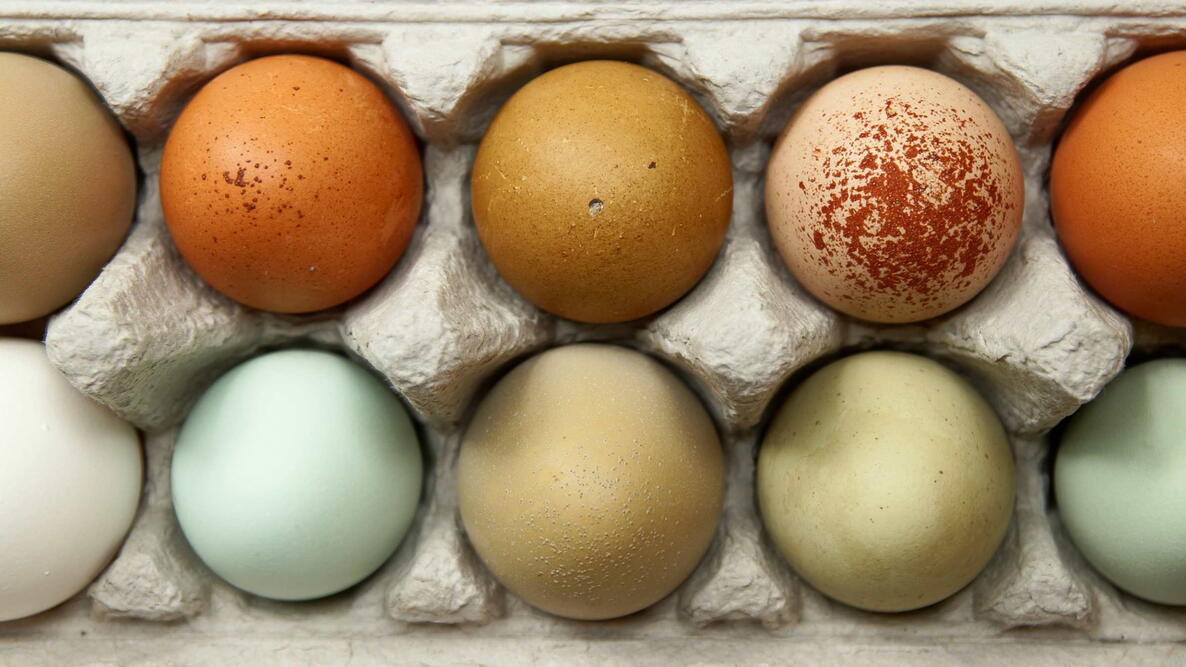
How long do chickens live? What do you do when your chicken stops laying eggs? And how many eggs should they be laying? Often, when chickens stop laying eggs, it’s simply part of the seasonal cycle, but sometimes it could be more. Here’s what to do.
When Do Chickens Start Laying Eggs?
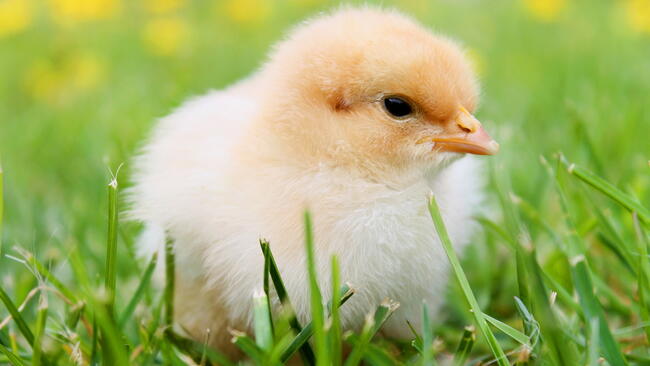
A chicken (called a pullet until she is a year old), begins laying eggs when she is about 18 to 20 weeks old. Some breeds begin when they are older, however. Healthy chickens lay eggs most reliably in their first 2 to 3 years. After that, egg production will taper off.
How Often Do Chickens Lay Eggs?
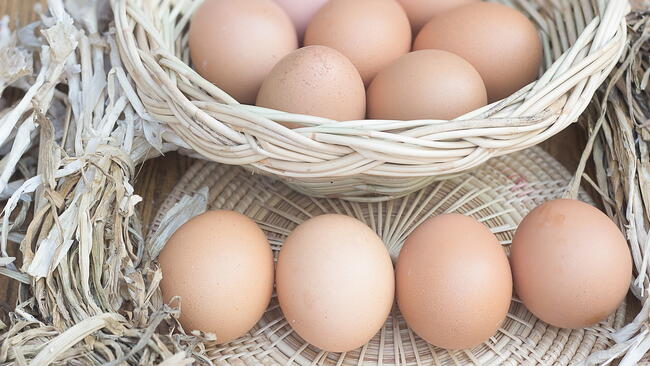
Most hens will lay one egg per day, but factors like weather, day length, nutrition, and the presence of predators will affect daily egg production. Egg laying depends mainly on the length of the day, and most hens will stop laying when they receive fewer than 12 hours of daylight.
When exactly this will happen depends on the chicken, though. Most of ours did go “off lay” as the days grew shorter in the fall and the seasons changed. They laid fewer and fewer eggs until, one day, they stopped.
One or two continued to lay sporadically throughout the cold, dark days of winter, although most of those eggs froze and cracked before we got out to collect them. (In that case, we gave them to the dog, usually raw and right on the spot. He had a lovely, shiny coat but produced sulfurous gas at inopportune moments.)
We found that our old hens usually produce fewer eggs but larger ones. In a production flock, this is a problem because the consistency of supply and size is essential. In the home flock, who cares? (Another advantage to old hens: they’re used to you and are less flighty and panicky.)
When Chickens Stop Laying for the Winter
You can extend the laying period for your hens by putting a light hooked to a timer in the hen house. This will give the hens a couple of extra hours of artificial daylight, but the natural pattern for most hens is to stop laying in the winter.
How Long Do Chickens Live?
Chicken lifespans vary widely, with most hens generally living between 3 and 7 years. However, with ideal care, they may live even longer.
If a chicken is kept safe from predators (including dogs) and has no genetic issues, it can certainly live 10 to 12 years old.

What to Do When Your Chicken Stops Laying Eggs
Before you read this section, understand that this article isn’t about chickens as pets but as farm animals. Taking responsibility as a small farm owner means accepting the full cycle of life. Farmers do not bring chickens to vets in the same way as a family pet (unless you have very few chickens); most of us need to be prepared to handle both the births and the deaths ourselves.
As the hens go off-lay, you have several options.
1. One option, especially if you have very few chickens, is to allow the older hen to contribute to the farm in other ways.
- Older hens are great bug catchers. Imagine having a roving mosquito and tick eater!
- They help control weeds in your flower beds and vegetable garden.
- They are better than young hens at watching for predators.
- They contribute nitrogen-rich manure to the garden.
- Unlike many younger girls, they are better broodies, perfectly content to sit in a nesting box on a clutch of eggs.
- They tend to be great mothers, having had the experience!
Note: It is important to keep an eye on older hens so the younger, feistier girls do not peck them. You may also need to lower their roost for easier access and provide a little extra warmth and comfort.
2. Another option is to use your chickens as meat chickens instead of egg layers.
Year-old hens usually aren’t tender enough to roast, and older hens tend to have tough meat, so if you choose to go this route, prepare for a lot of chicken stew.
The more humane approach is to give them the winter off and wait. They’ll begin laying again in the spring.
(I’ve heard people say they couldn’t keep chickens because “you have to kill them when they stop laying eggs.” Not true. We never killed a hen simply because she stopped laying.)
3. The third option is to dispose of the chicken humanely.
Even if you decide to keep your laying hens until they die of old age, you will eventually have to dispose of a chicken. You may have a sick bird or a hen injured by a predator—accidents do happen. If a chicken’s life does need to end, we want to do it as painlessly as possible. There are two simple ways:
- Wring its neck. You have to be quick and forceful to avoid causing pain. We don’t use this method, but it can be done.
- We use a quick chop to cut the chicken’s throat. An axe and a block (a stump or upended round of firewood will do, as long as it’s stable) are probably the simplest methods for people new to this age-old practice.
There are a couple of ways to hypnotize or calm the chicken.
- One is to place the chicken breast down on a flat surface while holding its legs. Wave a piece of chalk in front of the chicken’s beak until you have the bird’s attention, then draw a line straight out from the beak for 12 to 18 inches. The bird will focus on the line and not move or flap.
- An alternate method which seems easier is to lay the bird on its side, with one wing under it. Tap your finger in front once at the point of the beak (but not touching), then about 4 inches in front of the beak. Repeat alternating taps until the bird calms down and holds still.
To keep it as painless as possible, improve your aim by pounding two long nails into the stump, far enough apart to span the chicken’s neck but close enough to keep its head from slipping through. Apply enough tension to the legs to stretch the neck and keep the bird in place. Then, use the axe. If you intend to eat the chicken, hold it up by the legs to let the blood drain. There will be flapping, but rest assured that the bird is dead and feels no pain.
Have a pot of scalding water (140° to 160°F) ready. If you don’t have a thermometer, you can tell that the water is hot enough if you can see your face reflected in it. Dip the bird for 20 to 30 seconds. Afterward, you can wipe the feathers off with your hand. Chop off the feet, then cut around the cloaca (anus—chickens use the same opening for excretion and egg-laying), be careful not to nick the intestines, and scoop the innards out with your hand. Rinse with cold water. If you can get all of this done in 20 minutes while the oven preheats, you can cook the bird immediately; otherwise, let it rest for 24 hours, until rigor mortis relaxes.
People who raise their food know where it comes from, what’s gone into it, and how it’s been treated. Whether your chickens are ultimately intended for the table or killed simply to end pain or illness and then buried in the back 40, remember that this is your responsibility as a small farm owner. Doing it, and doing it well, means that you’re doing your best by your birds.
More of Raising Chickens 101
If you are wondering how to get started with chickens, check out these resources:


- « Previous
- 1
- 2
- …
- 10
- Next »

Comments