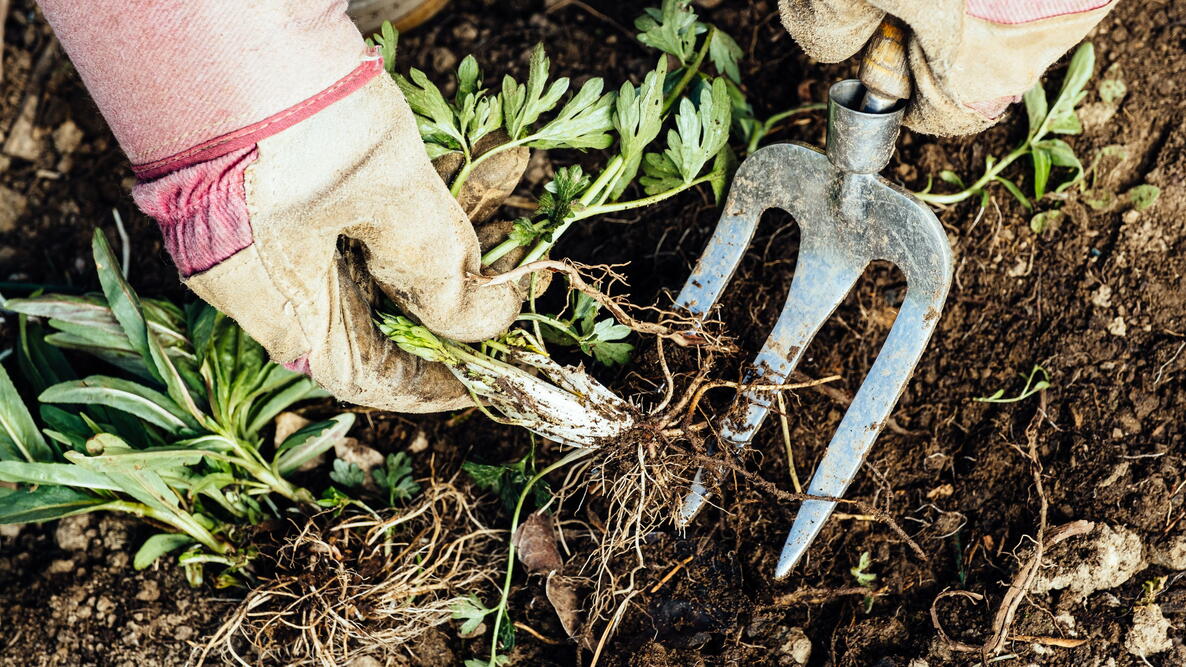
Did you know that common garden weeds can reveal important clues about your soil? Learning how to “read your weeds” helps you understand soil health, drainage, fertility, and compaction. Instead of seeing weeds as a problem, think of them as indicators of what your soil needs to become healthier and more balanced.
Why Weeds Are Soil Indicators
When weeds arrive, it’s often an index of what is wrong (though sometimes what is right) with the soil. For example, weeds with deep taproots, such as dandelions and burdock, indicate compacted soil lacking in water, air, and nutrients.
However, weeds are also nature’s way of repairing the soil for a more stable, healthy system. In the case of dandelions and burdock, their deep, strong roots also help break up that soil.
Weeds are not inherently the problem. They are a symptom and generally a troubled system. Learning to read the weeds as clues to our soil’s condition can help the soil recover. In the meantime, we can cultivate plants that fit our soil and also use the weeds that are present.
What Weeds Say About Your Soil (Quick Reference Chart)
Before you pull a weed, consider what it’s telling you. Is your soil lacking nutrients? Do you have an excess of fertilizer? Is your soil not draining well? Is it too compacted? Let’s find out!
| Weed | What It Indicates About Soil |
|---|---|
| Bindweed | Crusty, compacted soil |
| Chickweed | High nitrogen, rich soil (often alkaline and compacted) |
| Chicory | Rich, nitrogen-heavy soil |
| Common Groundsel | Fertile, nutrient-rich soil |
| Crabgrass | Low nutrients, low calcium |
| Dandelion | Compacted soil, low calcium |
| Dock | Wet, poorly draining soil |
| Goldenrod | Poor drainage, wet soil |
| Fragile Fern | Dry, near-neutral soil |
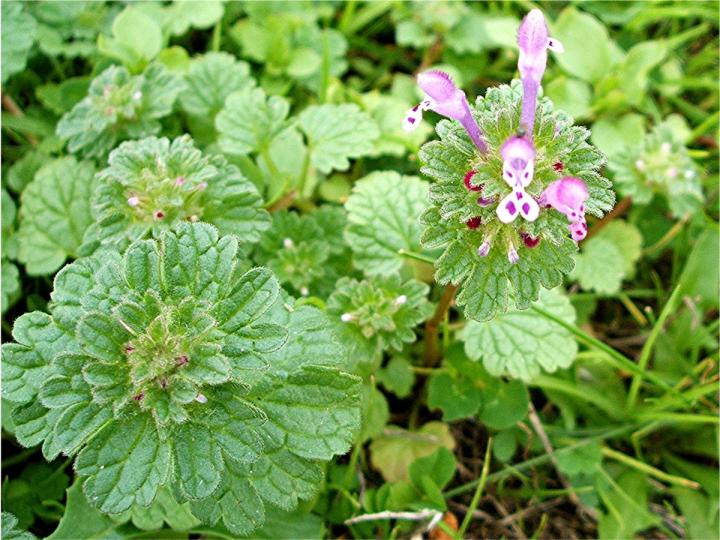
| Henbit | High nitrogen levels |
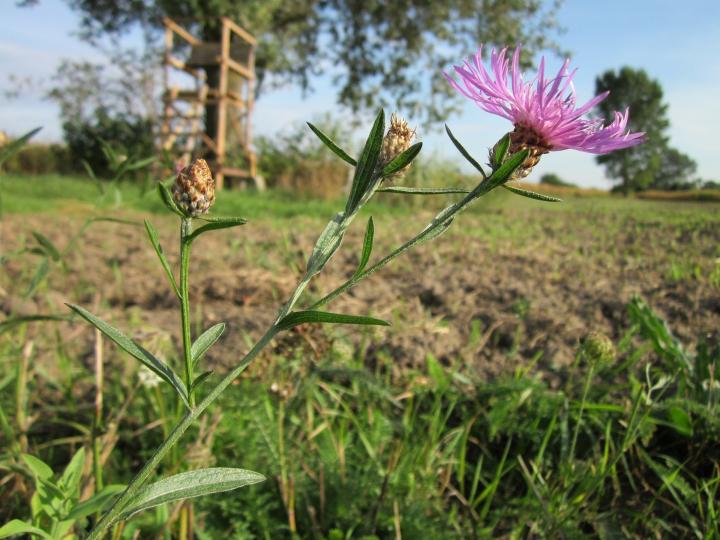
| Knapweed | High potassium, fertile soil |
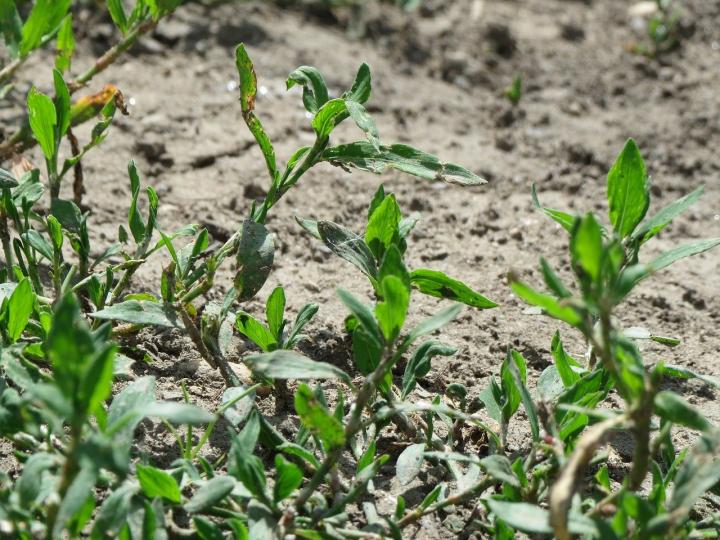
| Knotweed | Compacted soil |
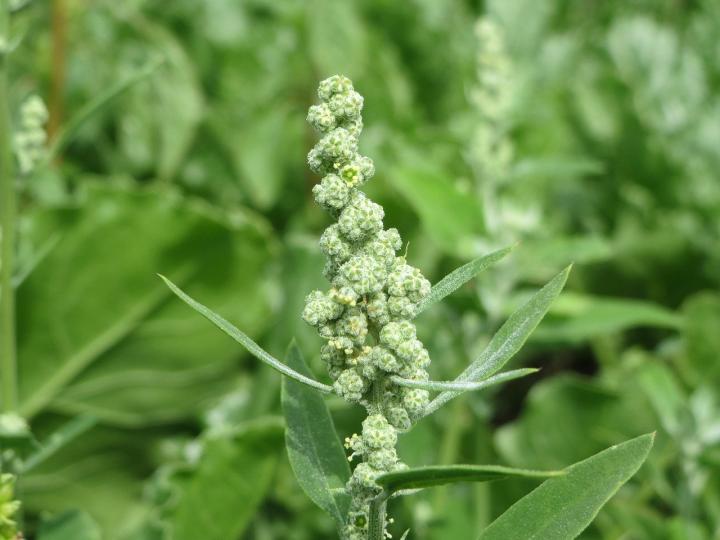
| Lambsquarters | Rich soil, high nitrogen |
| Moss | Acidic, soggy, low-nutrient soil |
| Mullein | Acidic soil, low fertility |
| Mustard | Dry, sandy soil, high phosphorus |
| Ostrich Fern | Very fertile soil |
| Oxalis (Wood Sorrel) | Low calcium, high magnesium |
| Ox-eye Daisy | Acidic, poorly fertile, often soggy soil |
| Pearly Everlasting | Acidic, nutrient-poor soil |
| Peppergrass | “Sweet” (balanced) soil |
| Plantain | Compacted, clay-heavy, low fertility soil |
| Pigweed | Rich soil, high available nitrogen |
| Purslane | Rich soil, high phosphorus |
| Quackgrass | Heavy clay or compacted soil |
| Queen Anne’s Lace | Poor but well-balanced (“sweet”) soil |
| Ragweed | Low fertility soil |
| Stinging Nettle | Rich, acidic soil |
| Sheep Sorrel | Dry, sandy, acidic soil low in calcium |
| Yarrow | Low fertility, sandy, dry soil |
Common Weeds and What They Say About The Soil
- Bindweed (Convolvulus arvensis) grows in crusty or compacted soil.
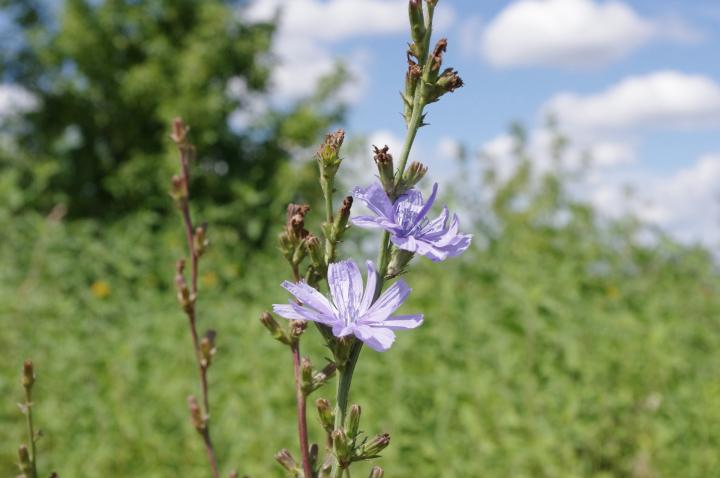
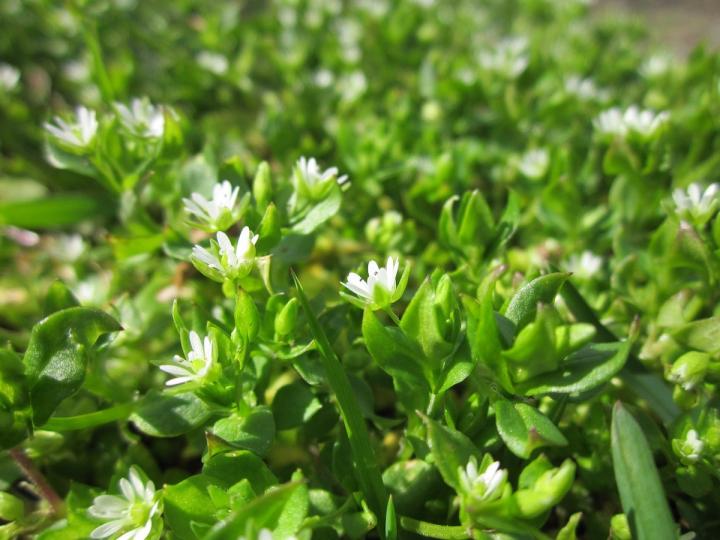
- Chickweed (Stellaria media or Cerastium spp.) and chicory (Chicorium sp.) like rich soil—high in nitrogen—and will grow well in alkaline compacted soil.
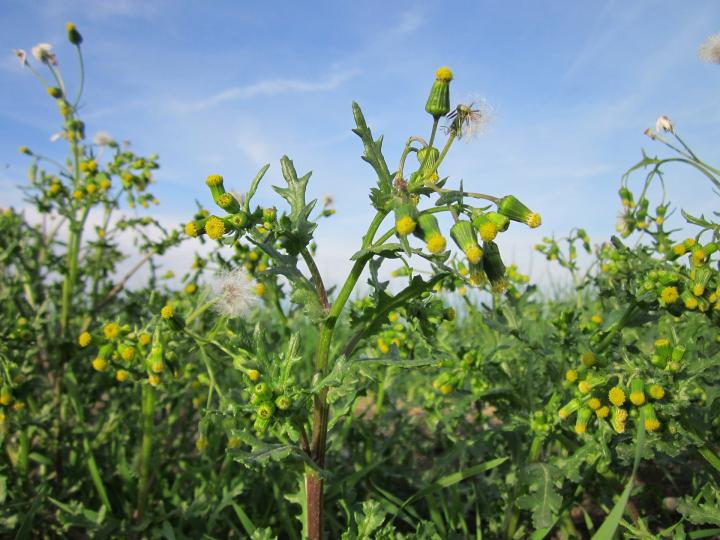
- Common groundsel (Senecio vulgaris) is an indicator of rich soil.
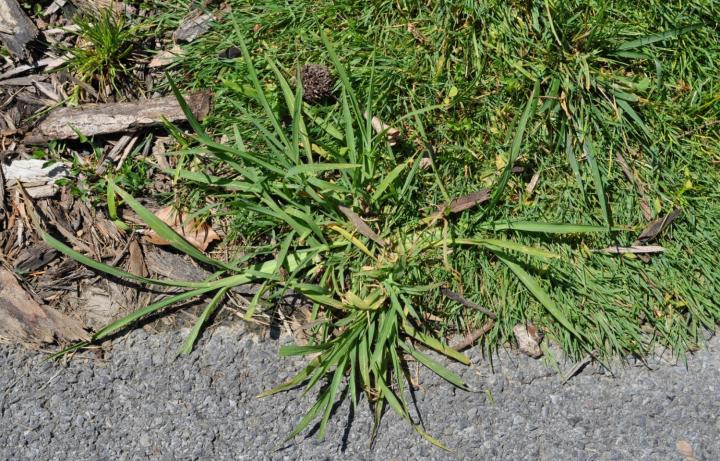
- Crabgrass (Digitaria spp.) grows where the soil has been depleted of nutrients and is low in calcium.
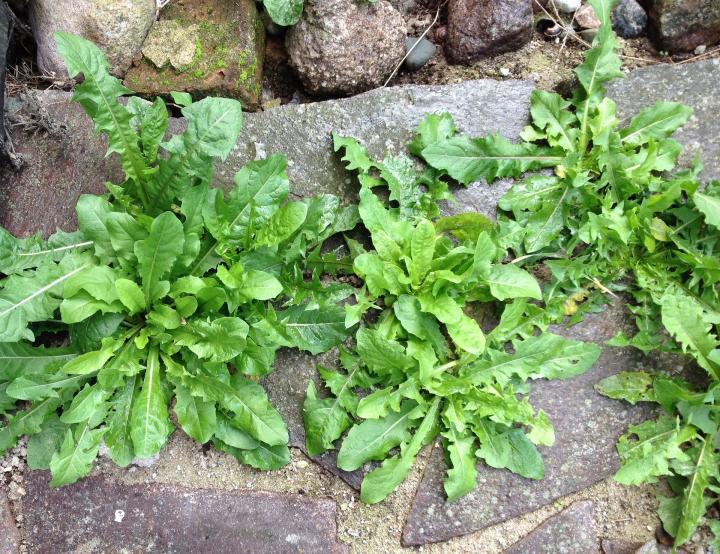
- Dandelions (Taraxacum officinale) generally indicate poor soil that is low in calcium and compacted. The dandelions’ taproots, however, are doing the job of breaking up the soil! Look into aerating your soil so it’s not compacted. In the meantime, check out our dandelion recipes!
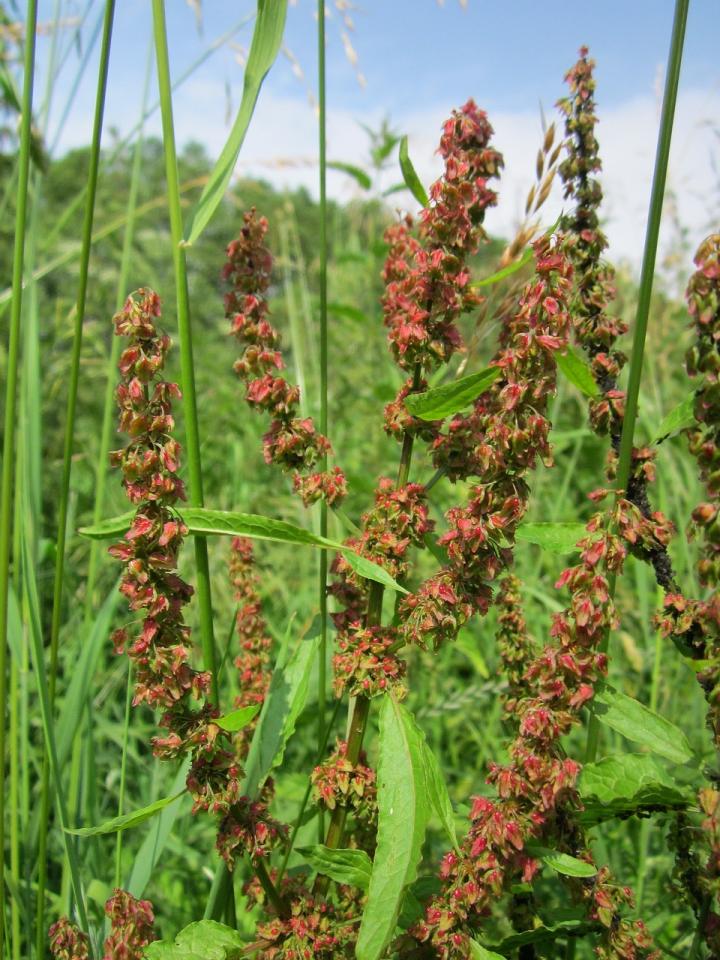
- Dock (Rumex spp.) and goldenrod (Solidago spp.) grow in wet, poorly draining soil.
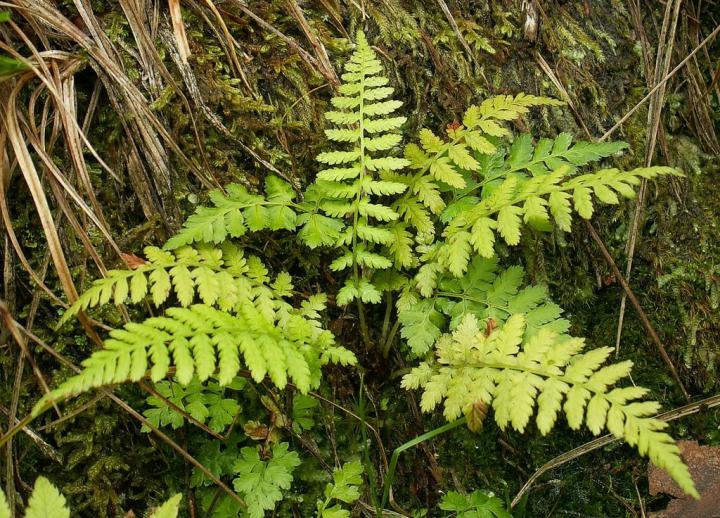
- Fragile fern (Cystopteris fragilis) grows in near-neutral, dry conditions. This pretty fern is the weed of the fernery and will propagate and overpower all other plants.
- Henbit (Lamium amplexicaule) indicates high nitrogen.
- Knapweed (Centaurea spp.) indicates rich soil, high in potassium.
- Knotweed (Polygonum spp.) grows where the ground is compacted.
- Lambsquarters (Chenopodium album) indicates rich soil, high in nitrogen.
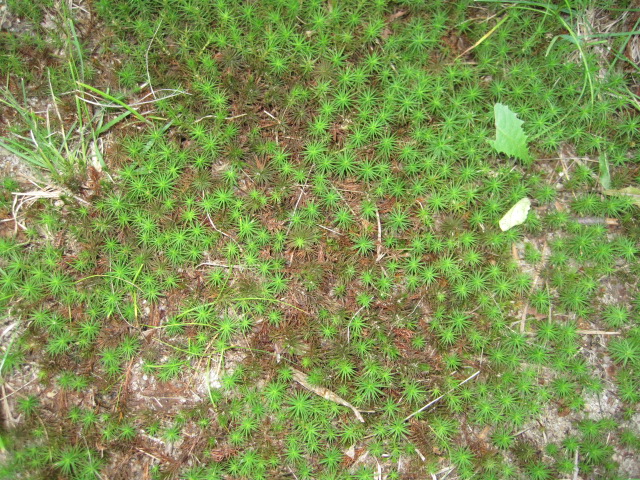
- Moss of most kinds indicate soggy, acidic soil that is low in nutrients.
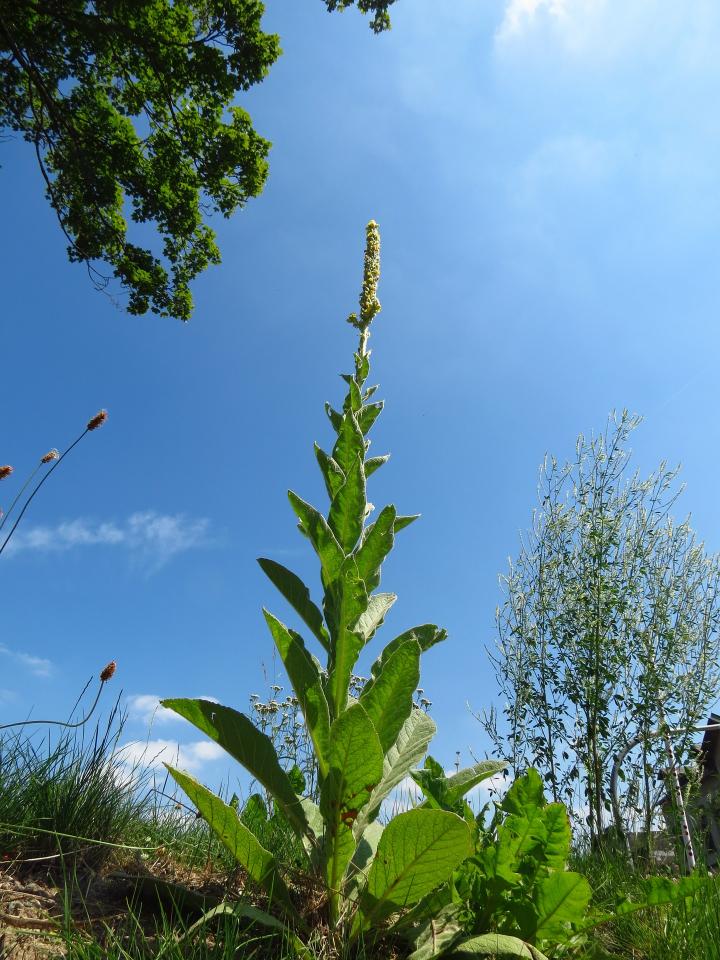
- Mullein (Verbascum thapsus) grows in acidic soil with low fertility.
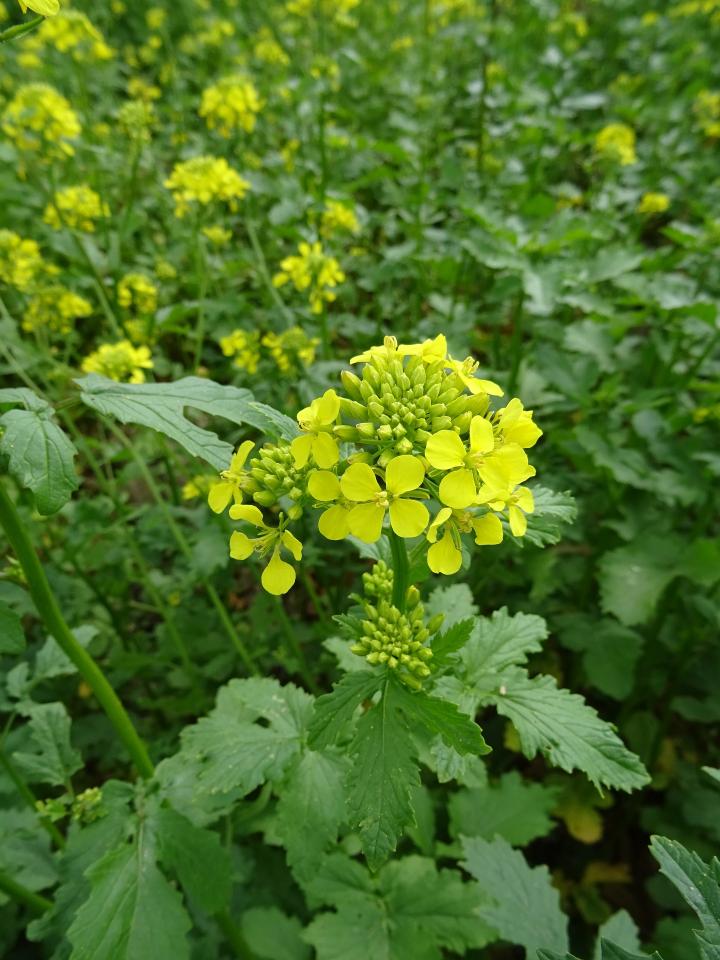
- Mustard (Brassica spp.) grows in dry, sandy soil, high in phosphorus.
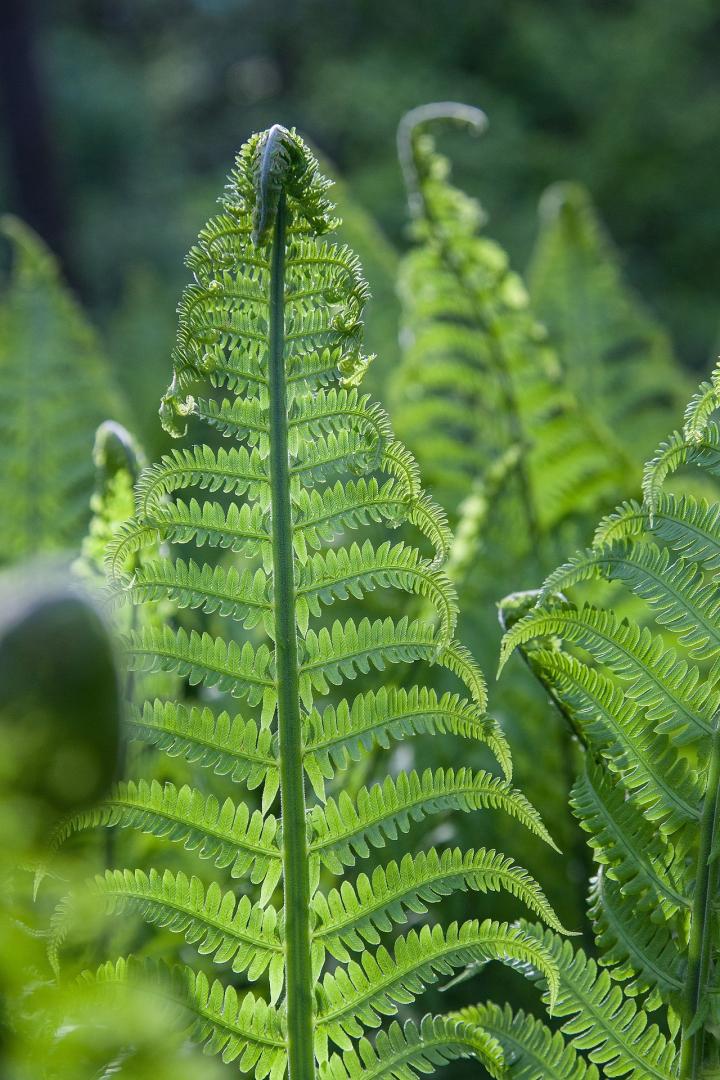
- Ostrich fern (Matteuccia struthiopteris) indicates an exceptionally fertile location.
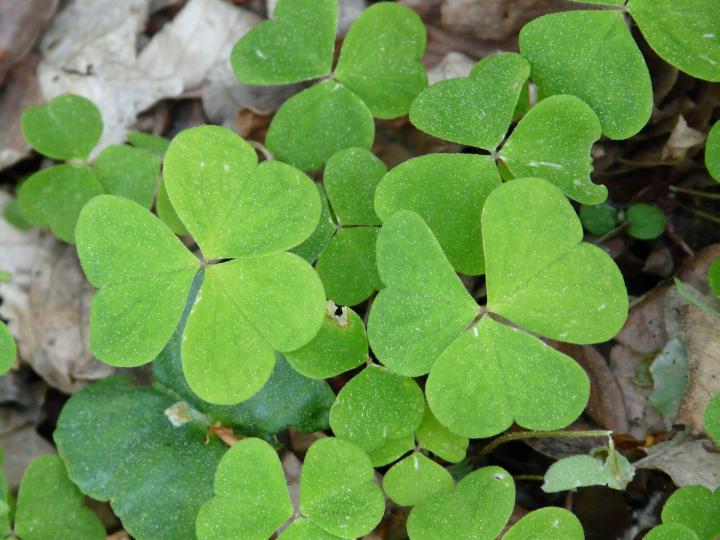
- Oxalis, or wood sorrel, indicates low calcium and high magnesium.
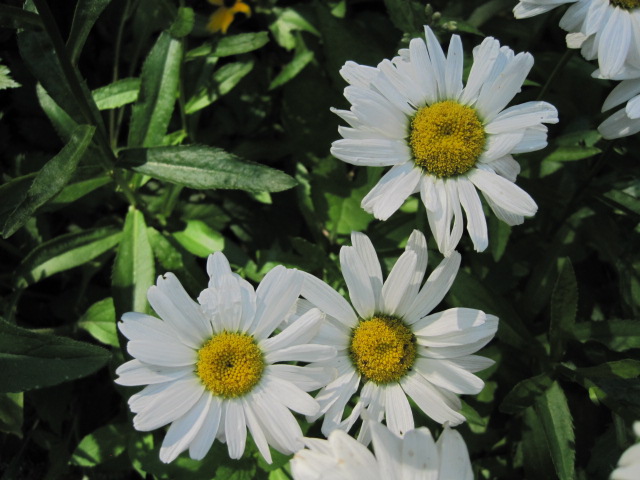
- Ox-eye daisies (Leucanthemum vulgare) grow in acidic, often soggy soil with poor fertility.
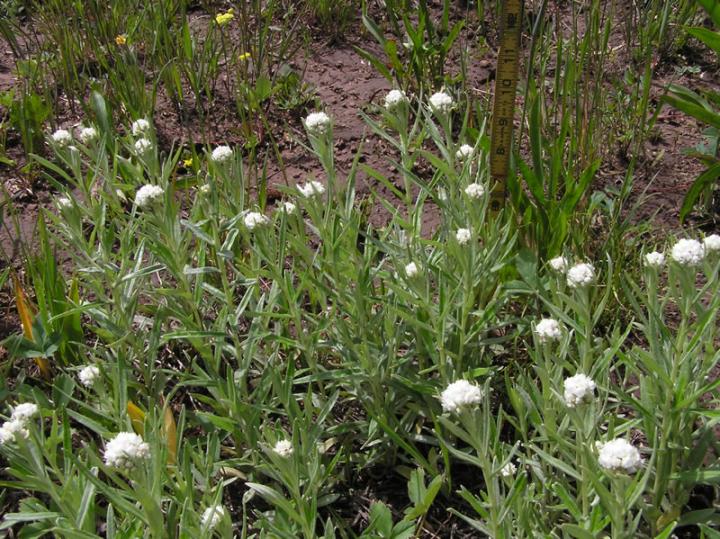
- Pearly everlasting (Anaphalis margaritacea) grows in acid soil that is low in nutrients.
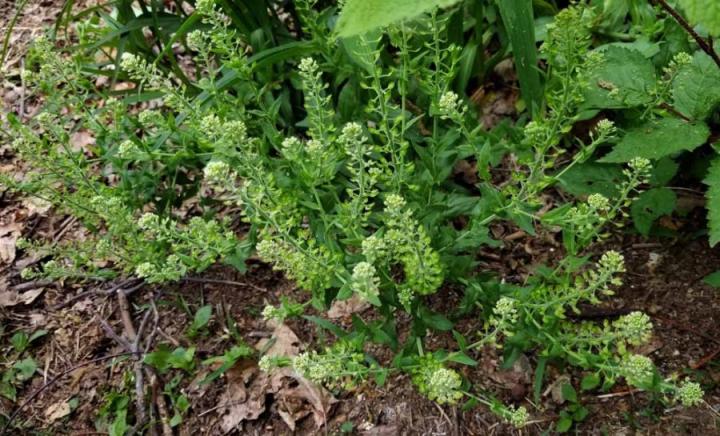
- Peppergrass (Lepidium verginicum) indicates sweet soil.
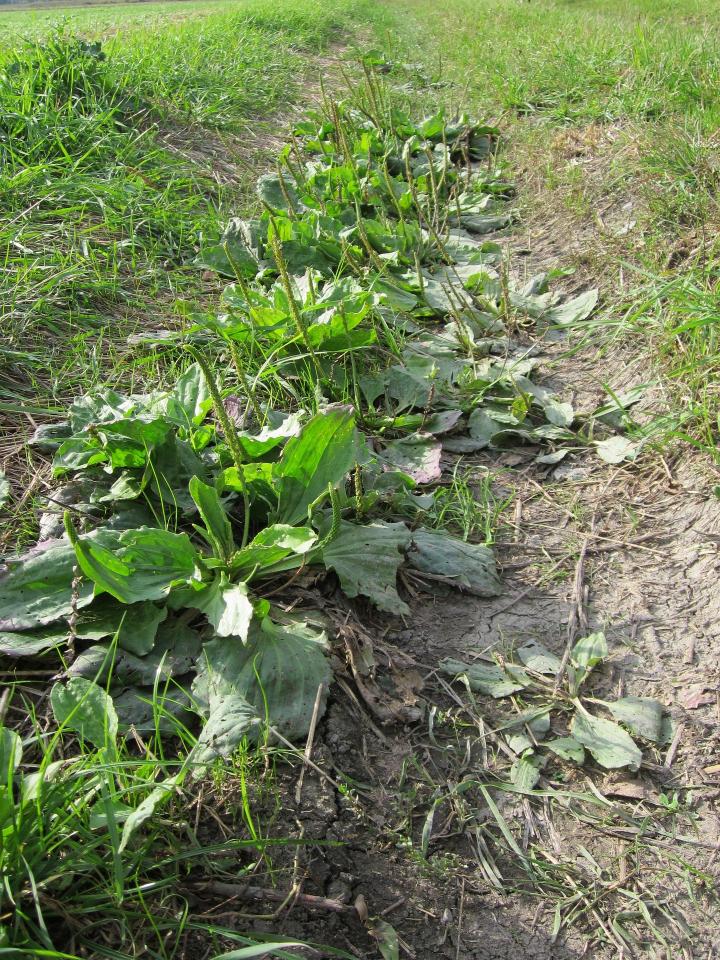
- Plantain (Plantago spp.) grows in compacted, sour soil with low fertility and often indicates heavy clay. Like prostrate knotweed, it has evolved to survive being trampled and can grow in heavily trafficked garden paths.
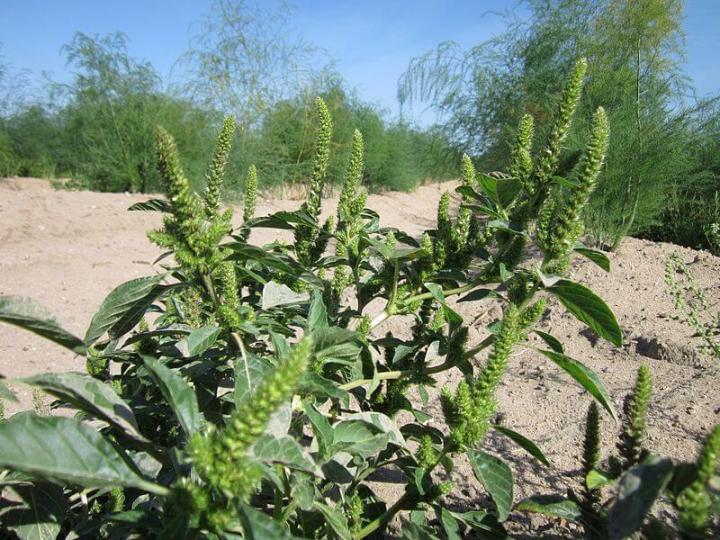
- Pigweed (Amaranthus spp.) grows in rich soil with high levels of readily available nitrogen.
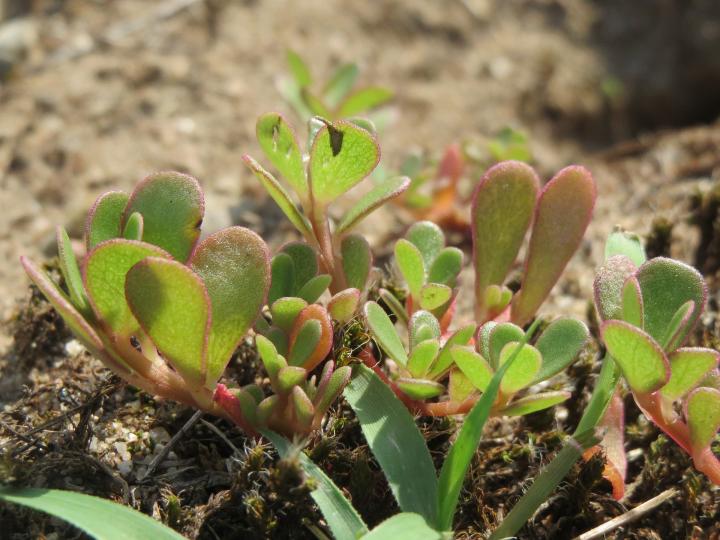
- Purslane (Portulaca oleracea) prefers rich soil and is an indicator of high phosphorus. Like dandelions, purslane is edible and offers health benefits. Make the most of your common weed education and explore some purslane recipes.
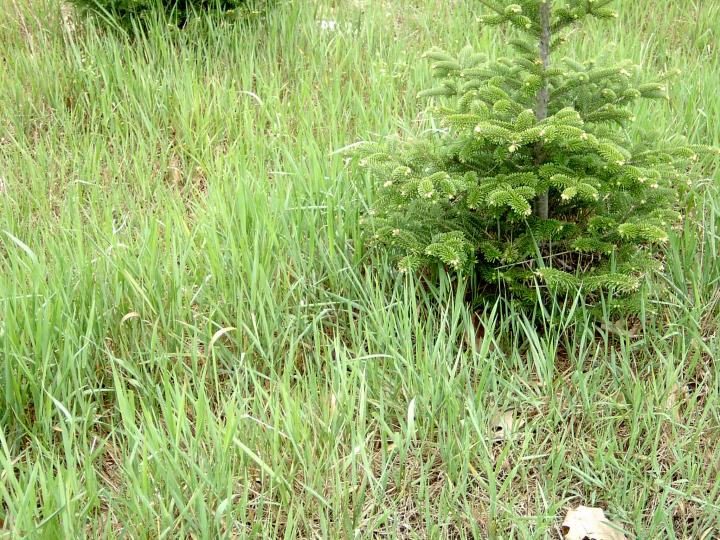
- Quackgrass (Elymus repens) will grow in heavy clay or compacted soil.
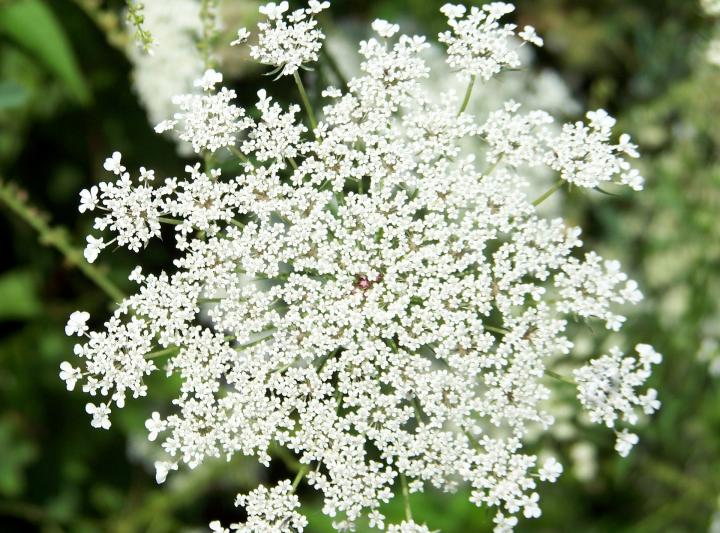
- Queen Anne’s Lace (Daucus carota) grows where the soil is poor, but on the sweet side.
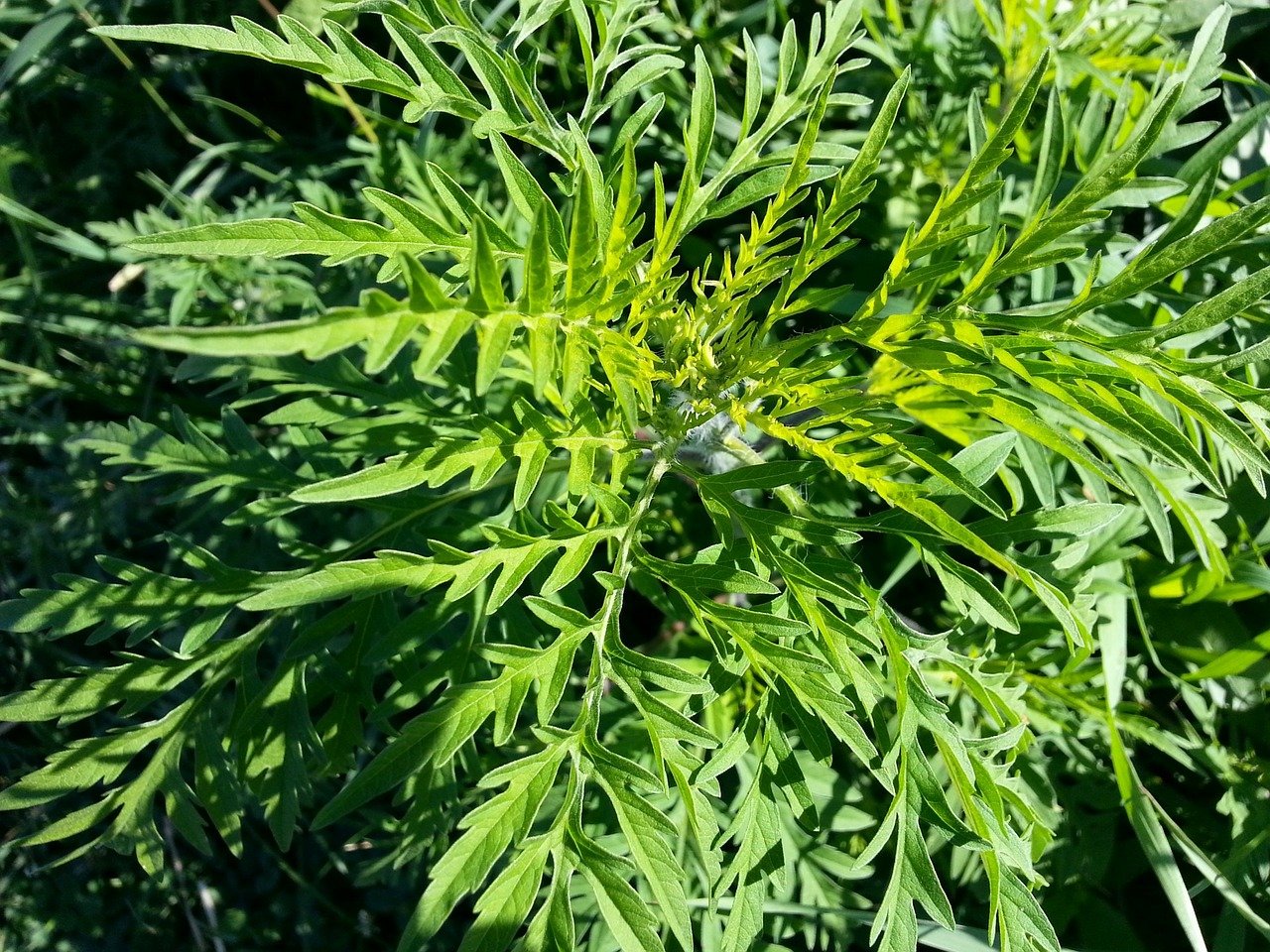
- Ragweed (Ambrosia spp.) indicates low fertility.
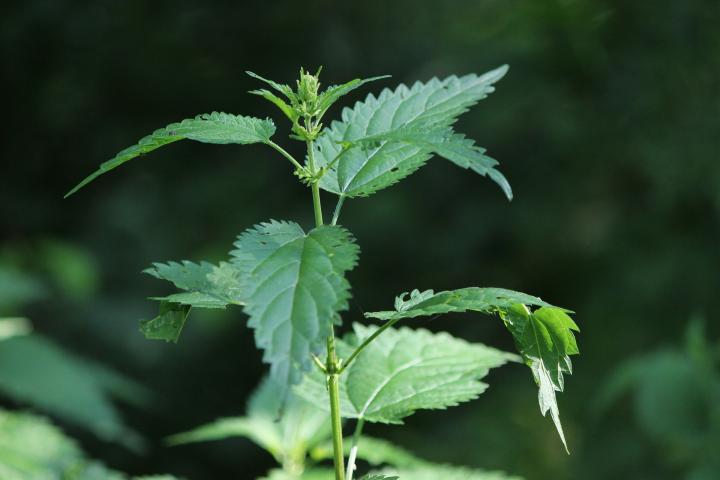
- Stinging nettle (Urtica dioica) grows in rich, acidic soil.
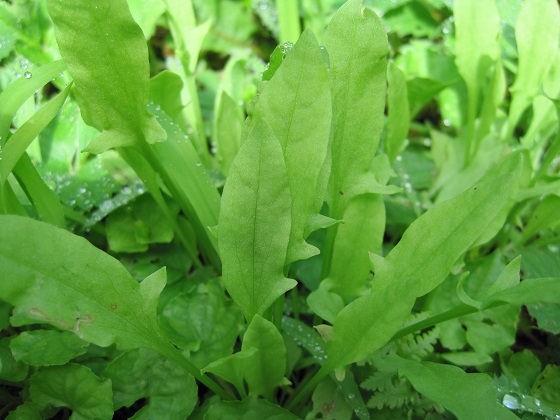
- Sheep sorrel (Rumex acetosella) indicates dry, sandy, acidic soil depleted of nutrients and low in calcium.
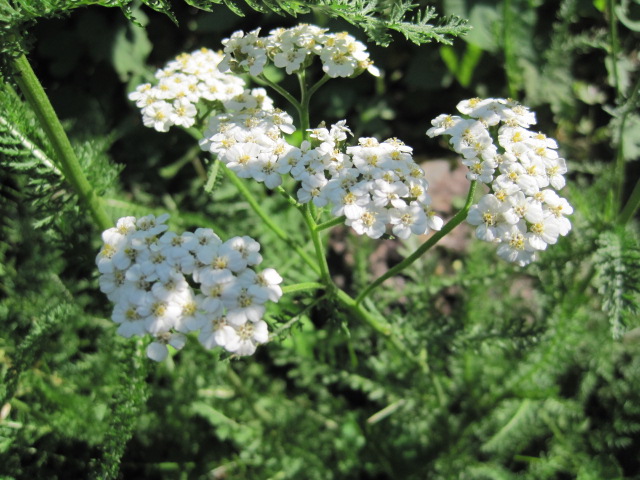
- Yarrow (Achillea millefolium) grows where potassium and fertility are low and the soil is sandy and dry.
Using This Information
The weeds listed above provide important clues about your soil’s fertility. Use this information to your advantage when amending your soil or deciding what to plant where.
If you have a hard time identifying your garden weeds, look at this list of common weeds.
After discovering what they mean, find out how to get rid of your weeds if you so desire.
Frequently Asked Questions
Why do weeds grow in my garden?
Weeds grow where soil conditions favor them, often indicating imbalances like compaction, poor drainage, or nutrient issues.
What weed means poor soil?
Weeds like ragweed, mullein, and yarrow often indicate low fertility and nutrient-poor soil.
Do weeds help improve soil?
Yes, many weeds help repair soil by breaking up compaction or adding organic matter.
What weeds indicate compacted soil?
Dandelions, plantain, and knotweed are common signs of compacted soil.
By learning to read your weeds, you can better understand your soil and work with nature instead of against it. Use these clues to improve soil health, choose the right plants, and create a more balanced, productive garden.
Dandelions and purslane are not the only edible weeds! Find out which of these weeds you can eat.
More Like This

Chickweed can be hard to totally eradicate. It is imperative to rip it out before it sets seeds. Since it is shallowly rooted it is easy to pull out but tends to snap off and leave bits of root behind that will just regrow. It may take several years of diligence to pull it all out and dig up the remaining roots but don't give up!
- « Previous
- 1
- 2
- …
- 10
- Next »

Comments