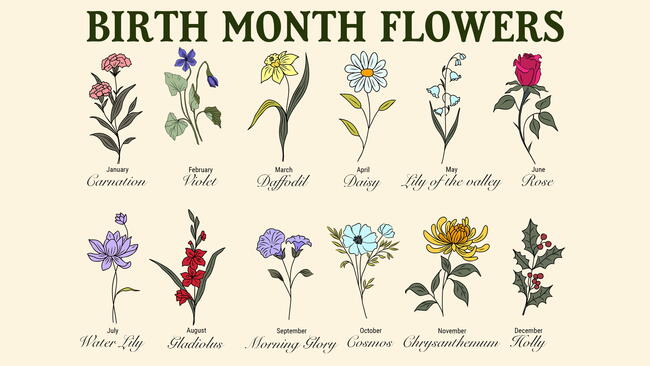
November’s birth flower is the chrysanthemum, or mum for short. Most associated with the fall season, these cheerful flowers provide a last pop of color in the garden and make excellent decorations for autumn displays. They also have a long history of symbolism, from friendship and joy to wishes for a long life. Learn more about chrysanthemum meanings, their colorful history, and their place in the garden.
November Birth Flower: The Chrysanthemum
Native to Asia, the word chrysanthemum comes from the Greek words chrysos, meaning gold, and anthemon, meaning flower. Swedish botanist Carl Linnaeus is said to have named the plant.
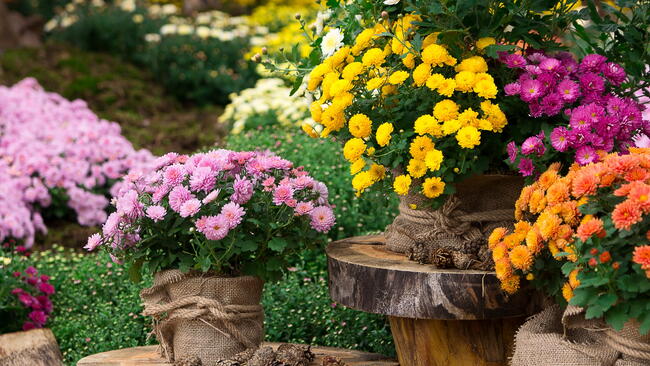
The original color of the chrysanthemum was golden, but through cultivation, the flower now comes in a range of colors—yellow, orange, white, purple, pink, and red. A member of the daisy family (Asteraceae), the chrysanthemum is one of the most widely cultivated flowers.
Chrysanthemum Meanings by Color
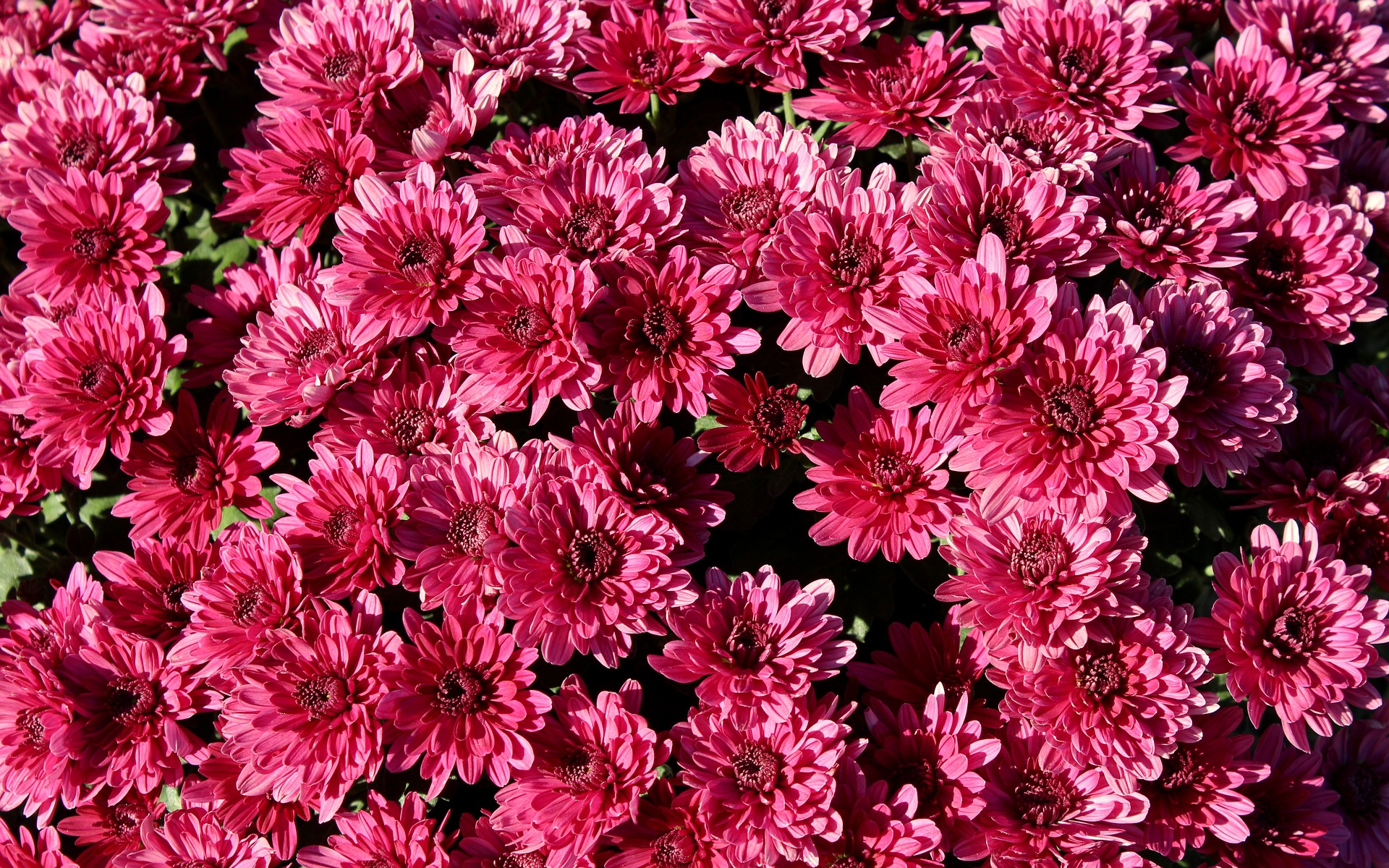
Chrysanthemums symbolize loyalty, friendship, and joy, but each color conveys a specific meaning. For example, red represents true love, white signifies innocence and honesty, and yellow symbolizes a wounded heart or neglected love.
| Chrysanthemum color | Traditional meaning |
|---|---|
| Red | Love |
| White | Innocence and honesty |
| Yellow | Neglected love or a wounded heart |
Chrysanthemum Symbolism
- In parts of Europe, the chrysanthemum is seen as an expression of sorrow and a symbol of death and mourning.
- The Chinese and Japanese view the chrysanthemum as a sign of youth. It was believed to allow people to live longer and keep their bodies healthier. According to folklore, one chrysanthemum petal at the bottom of a glass of wine promotes longevity.
- According to Chinese tradition, the flower prevents gray hair.
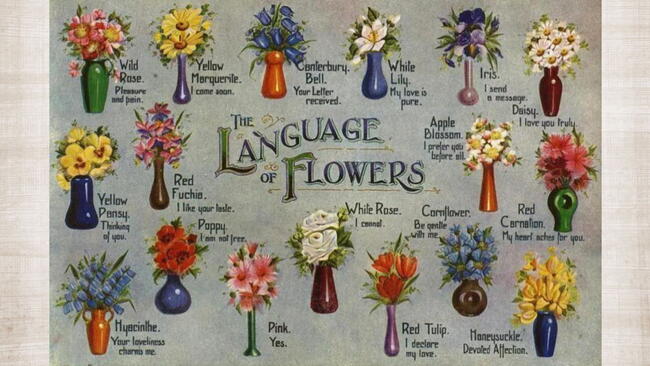
- Learn more about the meaning of flowers!
The Chrysanthemum in History
The chrysanthemum dates back to the 15th century B.C. in China, where it was grown as a flowering herb and used in salads and teas. In Chinese art, the chrysanthemum is one of the four plants that make up the Four Gentlemen, representing the four seasons, along with the plum blossom, the orchid, and the bamboo. It has been used in China for a long time as a remedy for headaches, to reduce blood pressure, and as an anti-inflammatory. It has also been offered to the elderly as a symbol of long life and good luck.
By the 17th century, chrysanthemums were introduced to Europe and then the United States.
It is the national flower of Japan, and each year, the Festival of Happiness is held on September 9 to celebrate the chrysanthemum. It has long represented royalty and nobleness in Japan and is used on the emperor’s official seal and crest.
The chrysanthemum is the flower given for a 13th anniversary and a traditional flower given on Mother’s Day in Australia. It is the official flower of Chicago, Illinois, too.
The National Chrysanthemum Society was incorporated as a nonprofit in 1954. Since then, the society has created a classification system—13 groups in all—for the diverse blooms.
Chrysanthemums in the Garden
Chrysanthemums bring welcome color to the fall garden, but not every mum sold in autumn will return the following year. Choose a garden variety suited to your climate if you want to grow mums as perennials.
Spring planting gives hardy mums more time to establish before winter. In colder climates, leaving the stems standing through winter and cutting them back in spring can help improve survival.

Read more about chrysanthemums in our Chrysanthemum Growing Guide!
Frequently Asked Questions
-
What is November’s birth flower?
The chrysanthemum, commonly called a mum, is November’s birth flower. Its colorful blooms are closely associated with autumn.
-
What does the November birth flower symbolize?
Chrysanthemums can symbolize friendship, loyalty, and joy. Their meanings also vary by color, culture, and occasion.
-
Are mums and chrysanthemums the same flower?
Yes! “Mum” is simply a shortened name for chrysanthemum.
-
What colors do chrysanthemums come in?
Chrysanthemums bloom in yellow, orange, white, purple, pink, and red, offering plenty of choices for fall gardens and bouquets.

More Like This

Comments