Ever wondered why Americans vote on a Tuesday? The practice goes back to a time when Tuesday fit the schedules of many rural voters. The explanation has a lot to do with farming, weather, and the time it took to travel to the polls.
U.S. federal general elections take place on the Tuesday after the first Monday in November. State and local elections may follow different schedules.
Today, Tuesday is an ordinary workday for many Americans. With commuting time, family demands, and multiple jobs, some people have more flexibility to reach the polls than others. So, why was Tuesday chosen in the first place?
To understand the answer, we need to look back to the 19th century.
Why Is Election Day in November?
When Congress established a uniform presidential election date in 1845, the United States was a largely agrarian society.
Spring was planting season; summer was for tending crops; and fall brought the harvest. By early November, much of the busy farming season was over, giving farmers more time to travel.
November also offered a window before harsh winter weather could make roads difficult to navigate, particularly in northern states. The timing suited a country where getting to the polls could require a substantial journey.
Why Do We Vote on a Tuesday?
Many country folks had to travel quite a long way to reach a polling place, often at the county seat. Roads were unpaved, and the trip might be made on foot, on horseback, or by wagon.
Sunday was a day of worship and rest for many Christians. Choosing Tuesday allowed voters to travel on Monday without setting out on Sunday.
Wednesday was also traditionally a market day in many communities. Tuesday offered a practical opening between Sunday observances and midweek business—a schedule that made more sense for many rural voters then than it might today.
In England, elections also took place at the end of the harvest season. Read more about Michaelmas and the Quarter Days.
Why the Tuesday After the First Monday?
The wording matters. Election Day is not always the first Tuesday in November: It can fall anywhere from November 2 through November 8.
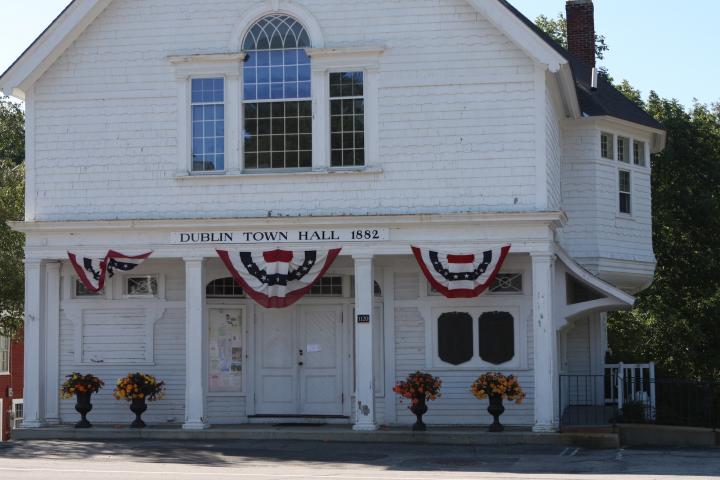
Requiring a Monday to come first ensures that voting never falls on November 1. A congressional history explains that the first day of the month was often reserved for court business at the county seat, where rural voters also went to cast their ballots.
When Was Tuesday Established as Election Day?
Congress passed the law establishing a uniform date for choosing presidential electors in 1845. Before that, states selected electors on different dates within a period set by federal law.
Congress extended the November date to House elections through legislation passed in 1872. Direct popular elections for the Senate followed the ratification of the 17th Amendment in 1913, with the first regular election cycle under the new system taking place in 1914.
So, although Tuesday voting has a long history, the nationwide presidential election date was established decades after the nation’s founding.
Do Other Countries Vote on Weekends?
Many countries hold national elections on weekends, but there is no worldwide rule.
Australia, for example, requires federal election day to fall on a Saturday. The United Kingdom, by contrast, traditionally holds general elections on a Thursday.
Weekend voting may be more convenient for some people, while others work weekends or have religious and family commitments. The day of the week is only one consideration in making voting accessible.
Could Election Day Move to a Weekend?
There have been proposals to move federal voting to a weekend, including a “Weekend Voting Act” introduced in Congress. Changing the federal election date would require a change in federal law.
Supporters argue that weekend voting could give more people time to reach the polls. It might also create more opportunities for neighbors to gather—and perhaps enjoy a slice of Election Cake!
For now, Tuesday remains the date set for federal general elections. But many voters have options beyond casting a ballot on that one day:
- Absentee or mail voting: Eligibility, application procedures, and deadlines vary by state. Some states require an eligible excuse; others do not. Check absentee and mail-voting information.
- Early in-person voting: Many states offer opportunities to vote before Election Day. Dates, locations, and procedures vary. Find early-voting information.
Check your state or local election office for the rules that apply to you.
For the upcoming date and more background, see our Election Day guide.
Tell us what you think! Should Election Day remain on Tuesday, or would another day work better?






- « Previous
- 1
- 2
- …
- 10
- Next »

Comments