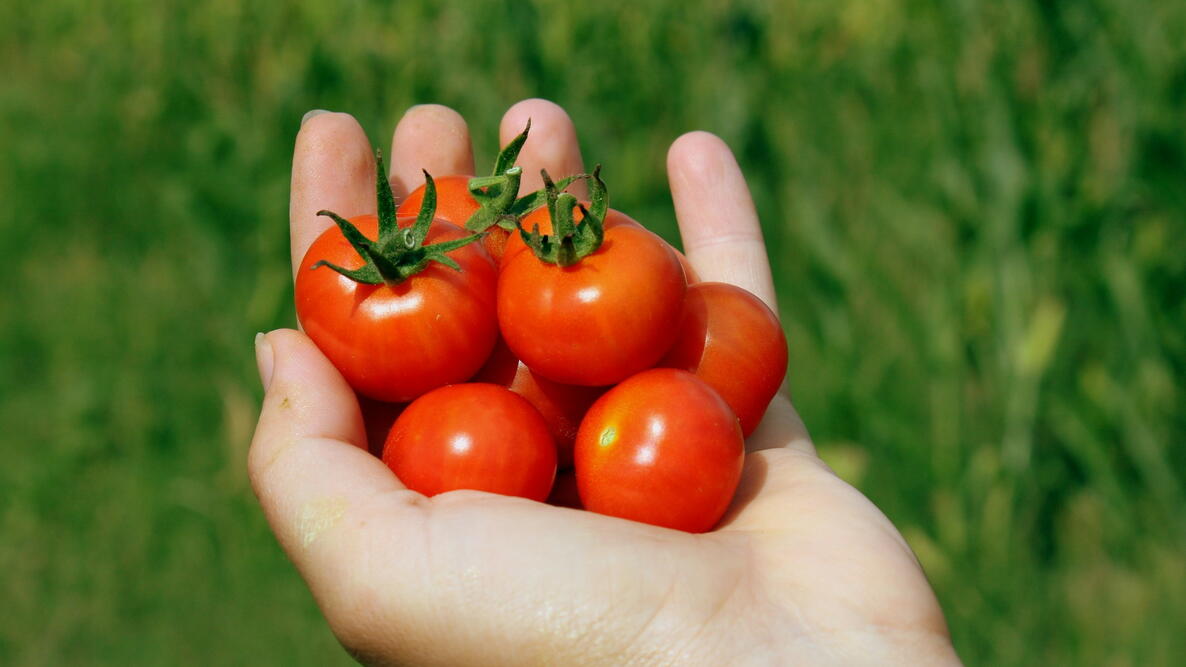
Perhaps you’ve been eyeing beautiful vegetables all summer long at farm stands. Maybe you have a patch of lawn or weeds in a sunny backyard. Fall is a great time to start a new garden area for spring—without having to dig up the grass. So, if you’ve started thinking, “Hey, what about that garden next spring?” here is some advice!
Start Small: Small Is Beautiful
Every crop you decide to grow has specific requirements for space, sunlight, water, nutrition, and frost-free days to maturity. Every crop may also encounter insect and mammal pests, as well as plant diseases that attack roots, foliage, flowers, fruit—or the entire plant.
That’s why it’s important for new gardeners to learn as much as possible in advance, consult experienced gardeners, and start small, with a few easy-to-grow crops that are likely to succeed.
Some good possibilities include green beans, summer squash or zucchini, tomatoes, lettuce, spinach, and other salad greens. Choose crops suited to your climate and the season in which you’ll plant them. Here’s more advice on the best vegetables for a beginner’s garden.
Build on your successes by moving on to the more exotic crops another year.
Prepare Your Garden Bed in Fall
If you’re starting from scratch—a lawn or a patch of weeds—begin creating that garden space now. Covering the area in fall gives the vegetation several months to break down before spring planting.
Choose a spot that receives full sun most or all of the day, with access to water. Start by mowing or weed-whacking the grass and weeds close to the ground. Remove woody growth and dig out persistent perennial weeds that are unlikely to be controlled by a covering alone.
Preparing an In-Ground Garden Without Digging
One way to turn a patch of lawn into a garden is sheet mulching: covering the existing vegetation with cardboard or newspaper, then adding organic material on top.
- Cover the mowed area. Use one or two layers of plain, unwaxed cardboard or six to eight sheets of newspaper, overlapping the edges so grass can’t grow through the gaps. Remove tape and staples, and avoid glossy paper.
- Wet the covering thoroughly. This helps it settle against the ground and keeps it from blowing away.
- Add compost and mulch. Spread an inch or two of finished compost over the covering, then top it with shredded leaves or weed-free straw.
- Give it time. The covering excludes light, helping smother the grass and weeds beneath it. Decomposition takes several months and slows in cold weather.
Fall preparation can give you a head start, but it doesn’t guarantee a completely weed-free bed by spring. Check beneath the covering before planting; stubborn grasses and perennial weeds may need more attention.

Starting With Raised Beds
Another option is a raised bed or two. Although there are hundreds of commercial designs and DIY plans available, you don’t need an elaborate construction—just a sturdy enclosure with enough soil depth for the crops you want to grow.
Keep the bed narrow enough that you can reach the middle without stepping into it. About 4 feet wide works well if you can reach it from both sides; make it narrower if you’ll have access from only one side.
Untreated cedar is one option for the frame. Avoid old railroad ties and reclaimed lumber with unknown treatments or paint.
Arrange your materials or construct the beds to enclose the planting area you’ve chosen. You can smother the grass beneath them in fall and wait until spring to add a suitable raised-bed soil mix.
Check Your Bed Before Spring Planting
When planting time approaches in your area, pull back the loose mulch and check the soil. Remove any surviving grass and weeds. If the cardboard or newspaper remains intact, remove it or break it up so it won’t obstruct water movement or growing roots.
Let wet soil dry enough to work without becoming compacted. A soil test can help you decide which fertilizers or amendments, if any, your new garden needs.
Then plant according to your local conditions and the needs of each crop. Cool-season greens and warm-season tomatoes won’t be ready to go into the garden at the same time! Consult the Almanac’s Growing Guides for crop-specific advice.
Begin Imagining Your Garden
Order some seed catalogs and begin dreaming. You could also consult neighbors, friends, and family members about varieties that have done well for them.
As you browse seed catalogs or seed company websites, pay attention to the different varieties of vegetables. Promising words in a variety description that may indicate a good choice for beginners include:
- Easy to grow
- Widely adaptable
- Slow to bolt
- Highly productive
- Disease resistant
- Early maturing
- Long harvest season
- Compact growth habit
Look for descriptions that match your garden’s conditions. A compact variety might suit a small raised bed, while an early-maturing variety may be helpful where the growing season is short.
If you don’t have a suitable indoor seed-starting setup, consider buying young tomato, pepper, and broccoli plants rather than starting them yourself. Look for a local nursery that grows its own plants and can tell you about each variety—its growth habit, days to maturity, and the color, shape, and flavor of the mature crop.
Another excellent source of local gardening information is your county Cooperative Extension office. These branches of the land-grant university system may offer gardening fact sheets, soil-testing information, workshops, or advice from trained volunteers.
For more inspiration, enjoy some screen time watching how-to gardening videos.
One last, important note: Grow what you and the people you feed really like. It’s unlikely you’ll learn to like something just because you grew it yourself.

More Like This


Comments